For many people, investing sits on the same shelf as public speaking and network issues during an online interview. It is important, but slightly terrifying. You have heard stories of people who “put money somewhere” and never saw it again. You have also seen others talk about profits with so much confidence that it feels like everyone else knows a secret you somehow missed.
Because of this fear, many people stick to savings accounts and call it a day. Saving feels safe. Investing feels risky, confusing, and reserved for people who “know money”. The problem is that savings alone rarely keep up with inflation or help you build long-term wealth. Investing is not about being reckless or lucky. It is about asking the right questions before your money leaves your account. Once you do that, the fear reduces, and clarity takes its place.
1. What Am I Investing For, Exactly?
Before you think about stocks, mutual funds, real estate, or anything that sounds impressive, pause and ask yourself one simple question: “What is this money meant to do for me?” Investing without a goal is like entering a bus without knowing the destination. You may move, but you could end up very far from where you intended to go.
Some goals are short-term, like saving for a wedding, a professional course, or a car. Others are long-term, such as retirement, children’s education, or financial independence. These timelines matter because they influence how much risk you can take and how patient you need to be. Money you will need soon should not be exposed to extreme market swings, while long-term money can afford to grow slowly and steadily.
When your goal is clear, your investment choices stop being emotional. You are no longer chasing trends or copying friends. Instead, you are building intentionally.
Read: Is Investing in Mutual Funds Still a Great Idea in 2026?
2. How Much Risk Can I Realistically Handle?
Risk tolerance sounds technical, but it is deeply personal. It is not about how brave you think you are when markets are doing well. It is about how you react when numbers turn red and your balance drops. Some people lose sleep over small losses. Others see volatility as part of the process and stay calm.
Your income stability, responsibilities, age, and even personality all play a role here. If losing money will make you panic and sell at the worst possible time, you may be taking on more risk than you can handle. This is how people turn temporary losses into permanent ones.
Understanding your risk tolerance protects you from making decisions you cannot emotionally sustain. Investing should fit into your life, not disrupt your peace every time the market moves.
3. Do I Truly Understand How This Investment Works?
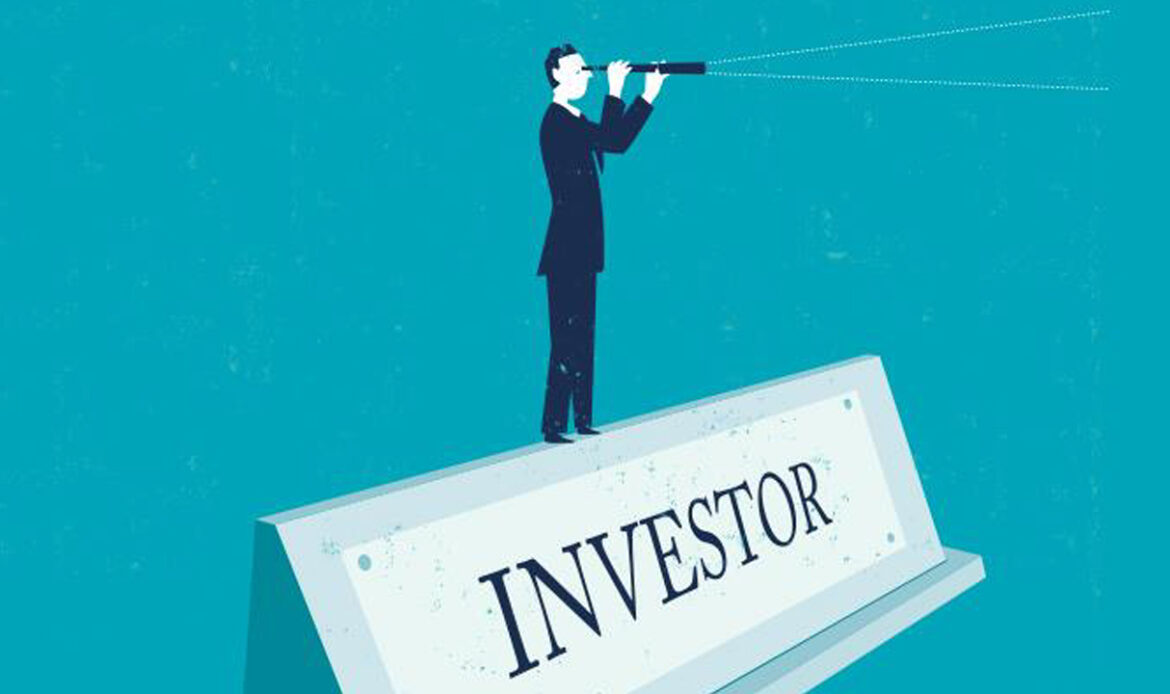
If you cannot explain an investment in simple terms, that is a signal to slow down. Many people invest because something sounds smart, popular, or urgent. Buzzwords and social media hype can make almost anything look like a guaranteed opportunity.
Understanding how an investment works means knowing how returns are generated, what factors affect performance, and what could cause losses. It also means knowing whether your role is active or passive and what is expected of you after you invest. Confusion is not sophistication. It is a risk.
Asking questions does not make you inexperienced. It makes you careful. The more clarity you have, the less likely you are to make fear-driven decisions later..
4. How Easily Can I Access My Money If I Need It?
Liquidity simply means how quickly you can turn an investment back into cash without major losses. This question is often ignored until an emergency shows up. Some investments allow quick withdrawals, while others require time, paperwork, or patience.
There is nothing wrong with long-term investments, but locking away money you might need soon creates unnecessary stress. If you may need funds for emergencies, relocation, or unexpected responsibilities, accessibility matters. Investing should support your life, not trap your money in a way that leaves you vulnerable.
A balanced approach allows you to grow your wealth while still maintaining flexibility. Knowing this upfront helps you avoid regret later.
Read: 5 Questions to Answer Before You Relocate Abroad
5. What Will This Investment Really Cost Me?
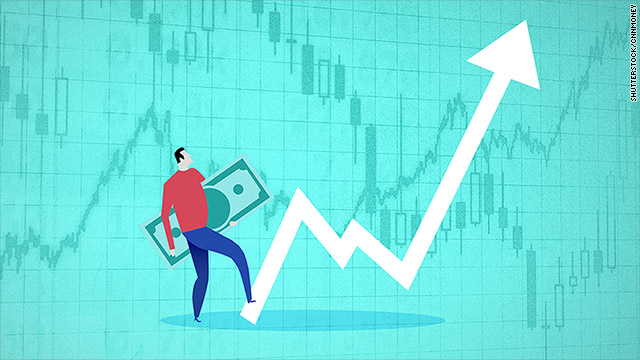
Returns always sound attractive until costs quietly reduce them. Fees, commissions, management charges, and hidden expenses may seem small, but over time, they add up. A percentage here and there can significantly reduce long-term growth.
Always ask how much you are paying and what you are paying for. Transparency builds trust. If costs are unclear or difficult to explain, take that as a warning sign. Your focus should be on net returns, not just headline numbers.
Smart investors pay attention to costs because they understand that what you keep matters more than what you earn on paper.
Smart Investing Starts With Better Questions
Investing is not about rushing or proving anything to anyone. It is about making informed decisions that align with your goals, comfort level, and financial reality. The most confident investors are not those who know everything, but those who are willing to ask questions and learn continuously.
When you understand your purpose, your risk tolerance, the investment itself, its accessibility, and its true cost, you reduce unnecessary mistakes. You also build confidence that grows with time. There are no foolish questions when it comes to your money. There are only expensive assumptions.
At RefinedNG, we break down money topics in ways that make sense. If you want practical guides that help you make smarter financial decisions with confidence, explore more of our financial literacy content and keep learning at your own pace.