
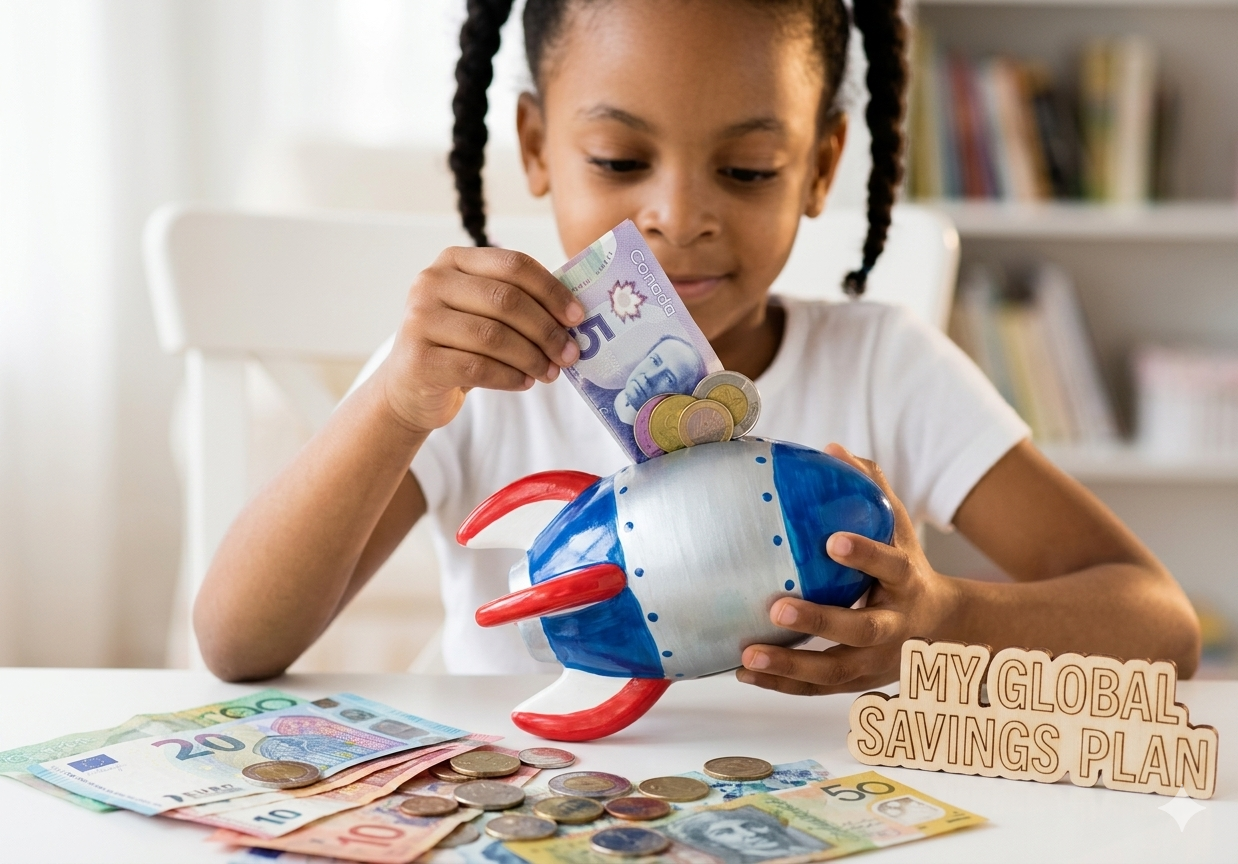
Children are already learning about money, whether we realise it or not. They watch how adults spend, save, talk about bills, and react to financial stress or excitement. The real question is not if they are learning, but what they are picking up.
The good news is that teaching kids about money does not require complicated lessons or formal classes. In fact, the most effective learning often happens in everyday moments that feel natural and even fun. When approached intentionally, these small interactions can shape how children think about spending, saving, and making choices for years to come.
This is where parents, teachers, and guardians have an advantage. With a little creativity, everyday activities can become powerful financial lessons.
1. Play Money-Based Games
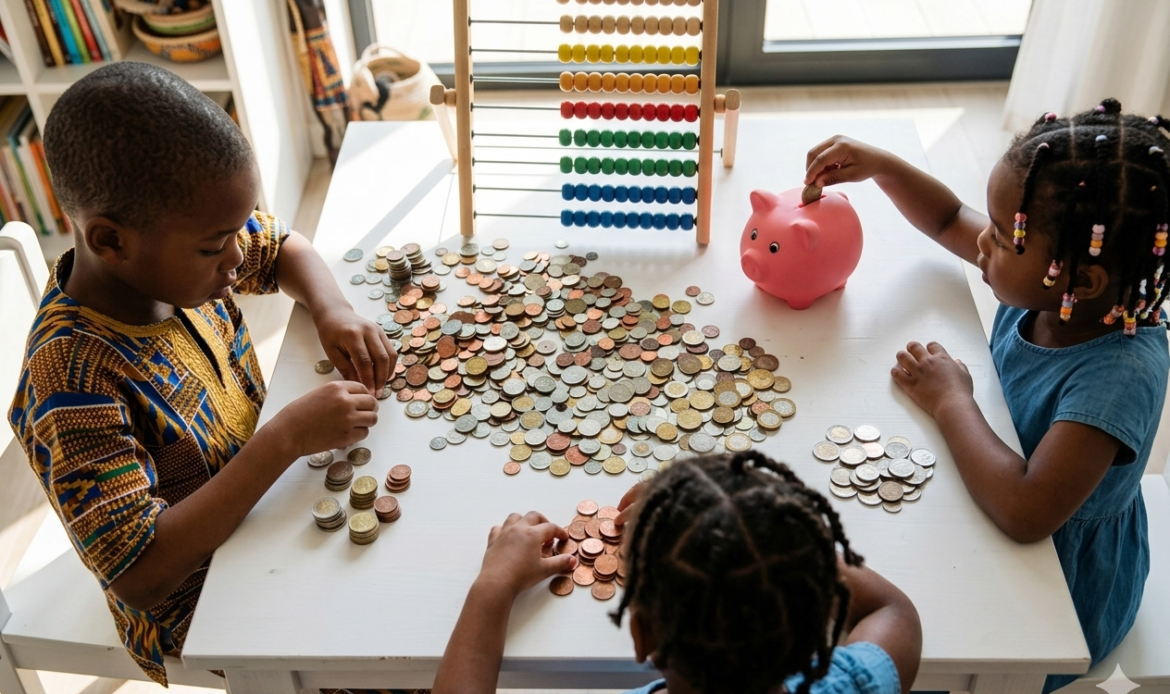
One of the easiest ways to teach children about money is through games. Board games, role-playing “shop and customer”, or even simple home-made games using coins can introduce key ideas without pressure. As children make decisions during the game, they begin to understand trade-offs, budgeting, and why they cannot have everything at once.
Read: 5 Money Questions Gen Zs Are Asking
2. Create a Simple “Want List”
Sit down with a child and ask them to list a few things they want. Then help them rank those items based on importance and assign realistic costs. This simple exercise teaches prioritisation and patience. It also introduces the idea that some things require planning and time, not instant access.
3. Turn Shopping Into a Learning Experience

Next time you go shopping, involve them. Explain why you picked one product over another, point out price differences, and even talk through discounts. Giving a child a small amount to spend also makes the lesson real. Suddenly, choices matter, and they begin to understand the value of money in a practical way.
4. Use the “Save, Spend, Give” Method
A simple way to build structure is to divide money into three categories: saving, spending, and giving. This can be done using jars, envelopes, or even labelled sections in a piggy bank. Over time, children begin to understand that money is not just for spending. Some are kept for the future, and some can support others.
5. Introduce Earning Through Simple Tasks
Children learn quickly when effort is connected to reward. Offering small payments for extra tasks, like helping with chores beyond their usual responsibilities, introduces the concept of earning. It helps them see money as something that comes from value and effort, not just something that appears when needed.
6. Take Them Along for Real-Life Money Errands
Whether it is a trip to the bank, paying a bill, or making a transfer, involving children in real-life financial tasks makes a difference. It helps them understand that money exists beyond cash in hand. They begin to see systems, processes, and how financial decisions happen in everyday life.
Read: Where to Invest ₦10 Million in Nigeria (2026 Guide)
7. Practice Budgeting Together
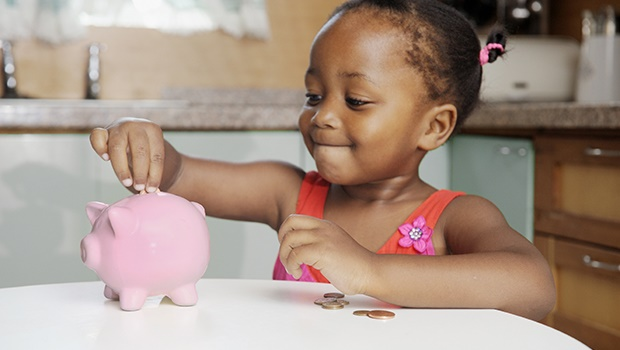
Giving a child a small budget and asking them to plan within it can be surprisingly effective. Whether it is choosing snacks, planning a small activity, or managing pocket money, budgeting teaches discipline. It shows that money has limits and that every choice has a consequence.
Raising Money-Smart Kids Starts With Small Moments
Teaching children about money is not about one big lesson. It is about consistent, simple moments that build understanding over time. Parents and guardians do not need to have all the answers. What matters is creating space for learning, asking questions, and allowing children to make small mistakes early.
Over time, these everyday activities shape how children think about money. They grow into adults who are more confident, more aware, and better prepared to make financial decisions that actually serve them.
Which of these have you tried with your kids or students? Share your experience and follow RefinedNG for more practical insights that fit into everyday life.