
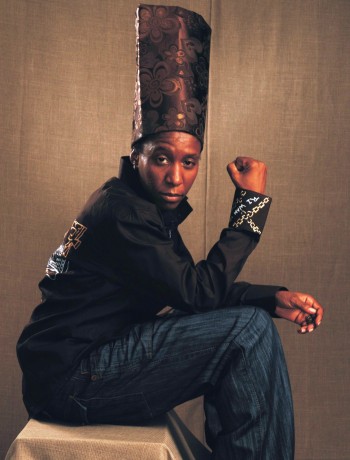
Before Nigeria ever danced to “Ijoya”, before animated music videos made airwaves, and long before Afrobeat fused with hip-hop became a commercial norm, there was Weird MC—real name Adesola Adesimbo Idowu. An unstoppable voice in a male-dominated genre, Weird MC emerged as one of Africa’s first female rap stars, unapologetically blending Yoruba lyrics with Western-style bars.
But while many remember her for that infectious hook—“Ijoya!”—there’s far more to her story than one hit song. Weird MC embarked on a journey that transitioned from basketball dreams to global tours, making bold choices, breaking boundaries, and refusing to conform to any mold.
Here are five things you probably didn’t know about the pioneering artist who changed the game before most even knew it had started.
1. She Wanted to Be a Basketball Star
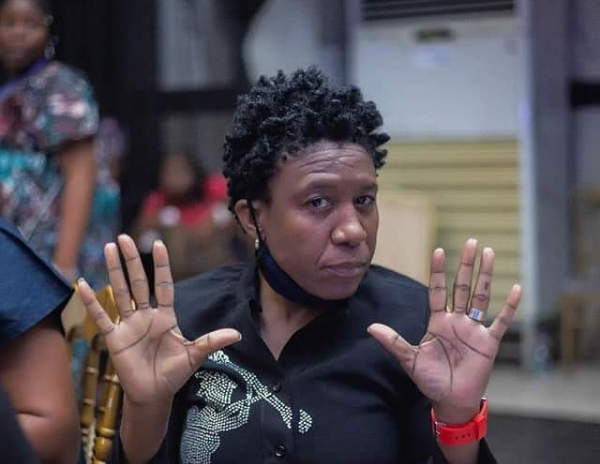
Before she picked up a mic, Weird MC had her eyes set on a very different kind of stage: the basketball court. Growing up in the UK and Nigeria, she nurtured dreams of becoming a professional basketball player. Her talent was promising, but opportunity wasn’t. At the time, the Nigerian Sports Commission offered little to no support for women in sports, particularly in disciplines like basketball.
Disappointed but undeterred, she pivoted—first back to the UK, and eventually into music. What she couldn’t dunk, she would deliver through lyrics. That fire, ambition, and athletic discipline followed her into the studio and onto the stage. In many ways, it shaped her sound: energetic, fast-paced, and physical.
Although music ultimately prevailed, Weird MC has often spoken about how the lack of opportunities for women in sports and entertainment inspired her drive to succeed in music, on her terms, in her voice.
Read: Before the Queens of Now, There Was Sasha P
2. She Dropped Out of Law School to Chase Beats
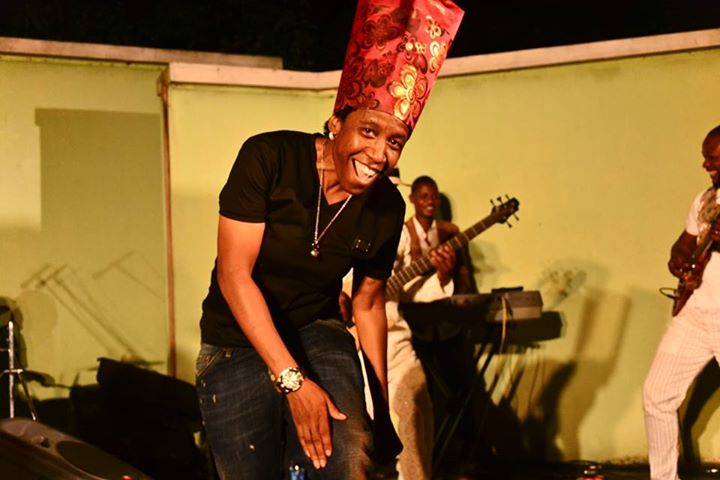
Weird MC studied Law at Ogun State University, a path that would have made her family proud and provided stability. But the classroom couldn’t compete with the call of the stage. After just one year, she made the bold move to drop out and dive headfirst into music—a decision that shocked many.
At the time, Nigeria’s music industry was still finding its rhythm, and female rappers were nearly invisible. Yet, she chose risk over regret. With no blueprint and no guarantees, she forged her path, eventually earning a qualification in Music Technology.
It wasn’t just a career shift—it was a defiant act of purpose. Walking away from the safety of a legal career to chase down lyrics and beats was a message: she wasn’t here to follow rules, she was here to rewrite them.
3. She Made Afro-Rap History with “Allen Avenue”
In 1996, long before the Nigerian music scene had fully embraced hip-hop, Weird MC did something unheard of—she dropped “Allen Avenue”, a self-produced video single that boldly blended American-style rap with Afrobeat rhythms and Yoruba lyrics. The track didn’t just introduce a new sound—it made history.
“Allen Avenue” became one of the first Nigerian songs to be released as a music video single, setting the pace for what would become a music-video-driven industry. At a time when few women were rapping—let alone producing their own material—Weird MC carved out her lane with grit and originality.
Although the accompanying album, Simply Weird, didn’t rack up massive sales, it was critically acclaimed and considered ahead of its time. She was honored with Nigeria’s first AMEN award for Best Hip Hop Album. With “Allen Avenue”, she didn’t just break the mold—she built a new one for others to follow.
4. Her Global Reach Is Bigger Than You Think
Before the term “Afrobeats to the world” became a movement, Weird MC was already flying the flag for African music across continents. Her sound—equal parts hip-hop, Afrobeat, and unfiltered energy—found resonance in corners of the world most Nigerian artists hadn’t yet reached.
She toured extensively through Europe, Asia, and Africa, gracing stages in Japan, Finland, Bulgaria, Ukraine, and Ghana. One of her most iconic career moments happened when she performed with the Grammy-winning Afrocelts, a world music collective known for blending African rhythms with electronic and traditional sounds. Weird MC fit right in, bringing her bold lyricism and Yoruba-English blend to global audiences hungry for something different.
Whether performing at intimate club dates or massive festivals, she was often booked under the “world music” category—a label that couldn’t quite contain her style but reflected her reach. Long before it was trendy, Weird MC proved that Nigerian music belonged on the global stage—and she didn’t need a co-sign to get there.
Read: ELDEE — The Quiet Kingmaker of Afrobeats
5. She’s a Cultural Firebrand Who Refuses to Conform
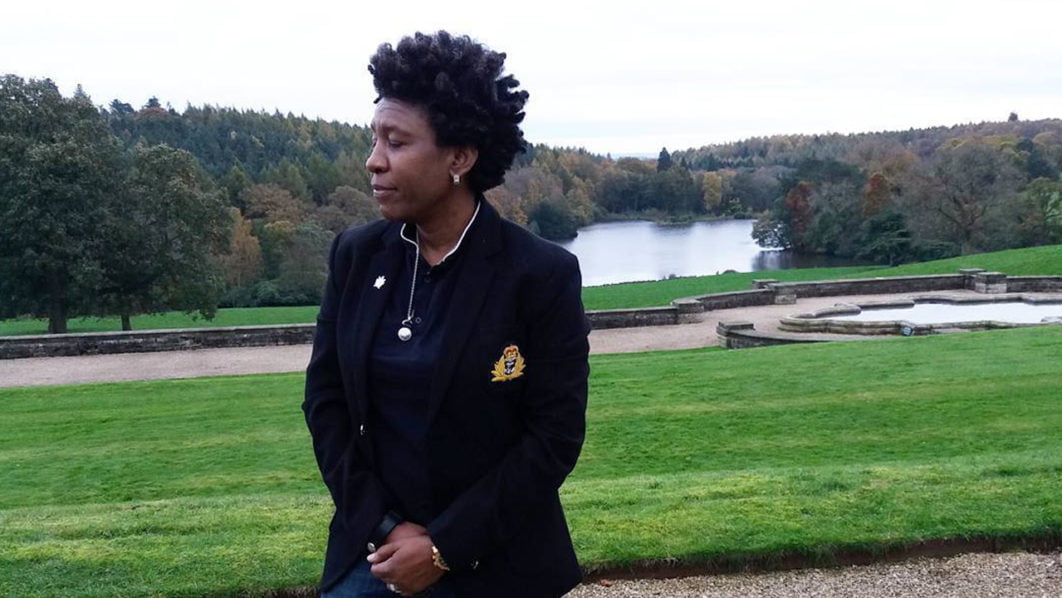
Weird MC has never just made music—she’s made statements. From her punchy Yoruba-English bars to her bold, androgynous style, everything about her is deliberate and defiant. In an industry where image often overshadows substance, she chose authenticity over applause. Her look—baggy jeans, sneakers, and cropped hair—challenged both gender norms and music stereotypes, making her one of the few artists whose presence was as revolutionary as her sound.
She has openly discussed the discrimination she faced in Nigeria’s male-dominated hip-hop space. For every performance, every track, she had to fight harder just to be seen as an equal. Yet rather than become bitter, she became vocal—urging younger female artists not to give up, but to double down and stake their claim.
But Weird MC’s ambitions don’t stop at music. She dreams of building “0907 Entertainment” into a full-blown cultural empire, spanning music, film, and fashion. For her, it’s not about topping charts; it’s about creating legacy. She isn’t chasing trends—she’s setting them. And she’s not here just to entertain; she’s here to reshape culture itself.
Weird, Bold, Unstoppable
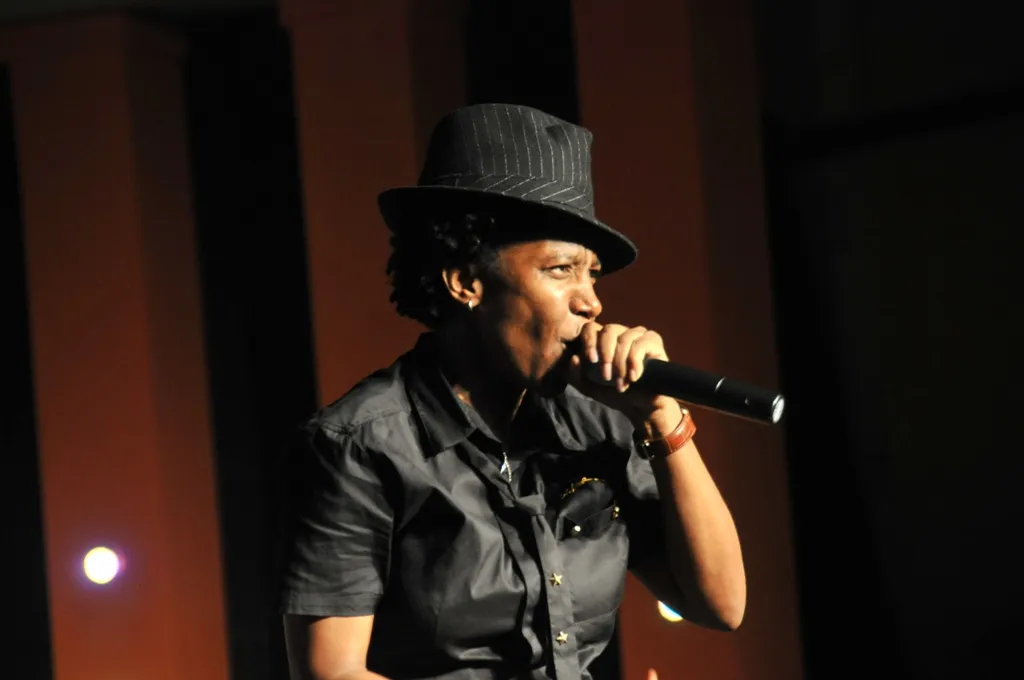
Weird MC isn’t just a pioneer; she’s a force. Her journey—from the conservative halls of Law school to commanding international stages—isn’t just inspiring, it’s blueprint-worthy. She walked so future generations of Nigerian female rappers could run, dance, and spit bars in any language they choose.
Her story is proof that greatness doesn’t come from fitting in. It comes from breaking barriers, staying authentic, and turning your “weirdness” into your weapon. Whether she’s making global waves with “Ijoya” or building a creative empire through 0907 Entertainment, one thing is clear—Weird MC didn’t just change Nigerian music; she expanded its possibilities.
And she’s not done yet.