
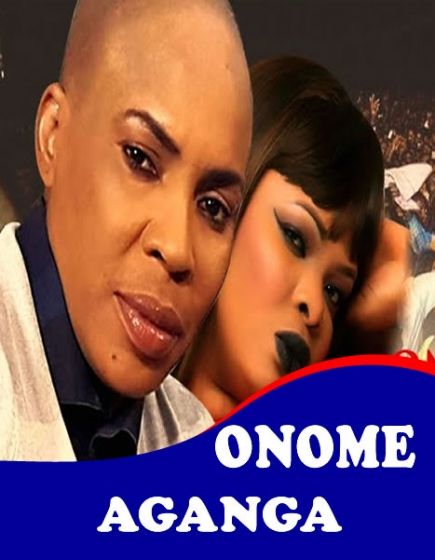
Some Nollywood films don’t just entertain, they leave footprints that linger long after the credits roll. One of those unforgettable titles is Onome Aganga, the 2011 drama produced by Fathia Balogun (now Williams). It wasn’t your regular love story or slapstick comedy—it was a film with grit, heart, and a reflection of the realities faced by many Nigerians.
Let’s take a trip back and revisit five things we remember and still love about this classic.
1. It was based on a true story
Unlike many fictional Nollywood dramas of its time, Onome Aganga drew inspiration from a real-life account. The story captured the displacement and pain of the Niger Delta crisis, which forced families out of their homes and left many children vulnerable.
Onome, played by Fathia Balogun herself, was one of those victims. She fled her home, only to find herself in a strange town where survival depended on being sharp, fearless, and unrelenting. This foundation gave the film a rawness that audiences could connect to. It wasn’t just a movie, it was a mirror of lived experiences.
Read: Bucci Franklin: 5 Things We Found Out About “Oboz”
2. Onome went from runaway to street leader
One of the most striking parts of the film is Onome’s transformation. What began as a young girl’s desperate escape turned into a story of resilience and leadership. Onome evolved into a streetwise thug leader, but not the reckless type often portrayed in film. Instead, she became the protector of the underprivileged, the kind of leader who ensured people had food and shelter.
It was both empowering and heartbreaking, showing how survival can force someone into roles they never imagined for themselves. For many viewers, this was one of Nollywood’s boldest depictions of a female character holding power in a male-dominated street world.
3. It went from thugs to a love triangle
No Nollywood classic is complete without drama, and Onome Aganga gave us plenty.
Enter Iya Agbe, played by Toyin Abraham, the fiery leader of a rival female gang. Their clashes were already intense, but suspicion added fuel to the fire. Iya Agbe believed Onome was having an affair with her group’s leader—a jobless husband played by Kelvin Ikedua. Suddenly, the story wasn’t just about turf and thuggery; it was also about betrayal, jealousy, and the complicated ways love (or perceived love) shapes power struggles.
This subplot gave the film its emotional tension and reminded us that even in chaos, human relationships are at the center of everything.
4. The all-star Nollywood cast made it shine
Beyond Fathia Balogun and Toyin Abraham’s powerhouse performances, Onome Aganga brought together some of Nollywood’s finest. The cast list included Dayo Amusa, Soji Taiwo, Ronke Odusanya, and Tayo Odueke, among others.
Each actor brought their own flavor, ensuring the film had a mix of grit, humor, and raw emotion. It felt like a Nollywood dream team, and it’s no wonder fans still talk about the movie more than a decade later.
Read: The Evolution of Nollywood From the 90s to Now
5. It was more than entertainment—it was social commentary
At its core, Onome Aganga wasn’t just about gangs, rivalries, or even love triangles. It was a film about survival, displacement, and the social realities of Nigeria. It showed how crises in one region could force people into entirely new lives, how women could rise to lead in unexpected spaces, and how resilience is deeply woven into our society.
Directed by Tope Adebayo, the movie didn’t sugarcoat life; instead, it asked audiences to reflect on the struggles that often go unseen. That’s why it remains a powerful cultural piece worth revisiting.
Onome Aganga – A Story Worth Remembering
Throwbacks like Onome Aganga remind us of a time when Nollywood wasn’t afraid to tell gritty, socially conscious stories alongside its dramas and comedies. If you missed it back then, this is your sign to go back and watch.
Did you watch Onome Aganga when it first came out? What do you remember most about it?
Follow RefinedNG for more Nollywood throwbacks, cultural gems, and positive stories worth sharing.