

The Calabar Carnival is no ordinary festival. For anyone who has seen it, “Africa’s Biggest Street Party” isn’t just a tagline; it’s a promise delivered with precision, colour, and rhythm. Every year, as December rolls in, Calabar transforms from a quiet, riverfront city into a pulsating stage where music, dance, and heritage collide in an explosion of celebration. For 2025, this transformation carries extra weight. The carnival is marking its 20th anniversary, a milestone that makes this edition less about mere spectacle and more about reflection. Under the theme “Traces of Time”, the festival is inviting visitors to witness two decades of growth, evolution, and cultural storytelling.
From November 30, 2025, to January 1, 2026, Cross River State will host thousands of revelers, tourists, and performers, all converging to experience a festival that has grown from a local celebration into a national pride and international cultural magnet.
Even for first-timers, the carnival’s reputation precedes it: elaborate costumes, choreographed parades, energetic street performances, and a community united in celebration. But this year is different. With a focus on heritage and continuity, this year’s festival promises a deeper connection, a chance to trace the steps of its past while looking toward the future of Nigerian culture and tourism.
1. The Theme ‘Traces of Time’ and What It’s Really Saying
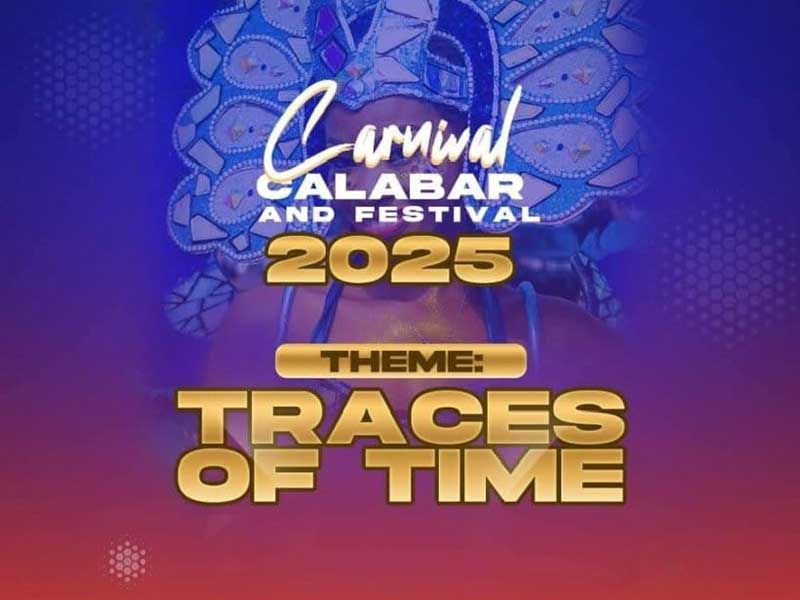
Themes at the Calabar Carnival are never just slogans; they are narratives guiding every performance, costume design, and event. The theme, “Traces of Time,” is a deliberate nod to the festival’s journey. It asks both participants and audiences to reflect on the past twenty years: the creativity that built the carnival, the communities that sustained it, and the culture that it celebrates. It’s a reminder that every dance, every drumbeat, and every float carries a story, a footprint of the people who have shaped this event and, by extension, Nigerian cultural heritage.
Looking back, themes have always acted as the carnival’s compass. From environmental consciousness in “Climate Change” to African identity in “Africanism” and social reflection in “Humanity”, each year has invited performers to think beyond entertainment. This year, the focus is about continuity, connection, and the threads that tie past, present, and future together.
In practice, you’ll see this in the way floats are designed to incorporate historical imagery, costumes that echo traditional symbols, and performances that reinterpret folklore for modern audiences. It’s a theme that elevates the carnival from a street party to a living archive of Nigerian culture, where every spectator becomes part of the story, tracing time alongside the performers.
Read: Nike Revives Nigeria’s Most Influential Shirt at the Perfect AFCON Moment
2. How the Carnival Actually Unfolds (Not Just the Big Parade)
If you think the Calabar Carnival is just a single parade, think again. The festival is a carefully structured sequence of events, stretching from late November into early January, each offering a unique experience. The festivities kick off with the Cultural Carnival, a showcase of local traditions, music, and dance. This is where you see the roots of Calabar’s heritage brought vividly to life, from masquerades to traditional drumming.
Following this are themed events like the Night of Kings & Queens, celebrating pageantry, talent, and fashion in ways that blend cultural history with modern flair. For younger audiences, the Junior Carnival offers a platform for children and teenagers to perform, ensuring that the carnival’s legacy is passed to the next generation. Notably, this year will also include novelty football matches, emphasizing the festival’s role in community bonding.
The heart of the carnival remains the Main Street Parade. Bands, dancers, and performers move in precise choreography along Calabar’s main streets, interacting with spectators and bringing the city to life.
Finally, the Street Party closes the celebrations, turning public spaces into impromptu dance floors where locals and tourists mingle freely. This structure, from cultural showcases to parades and interactive street experiences, ensures that the carnival is not just a spectacle but a lived experience, one that engages all senses and all ages.
3. The Bands, The Costumes, and Why Competition Still Matters
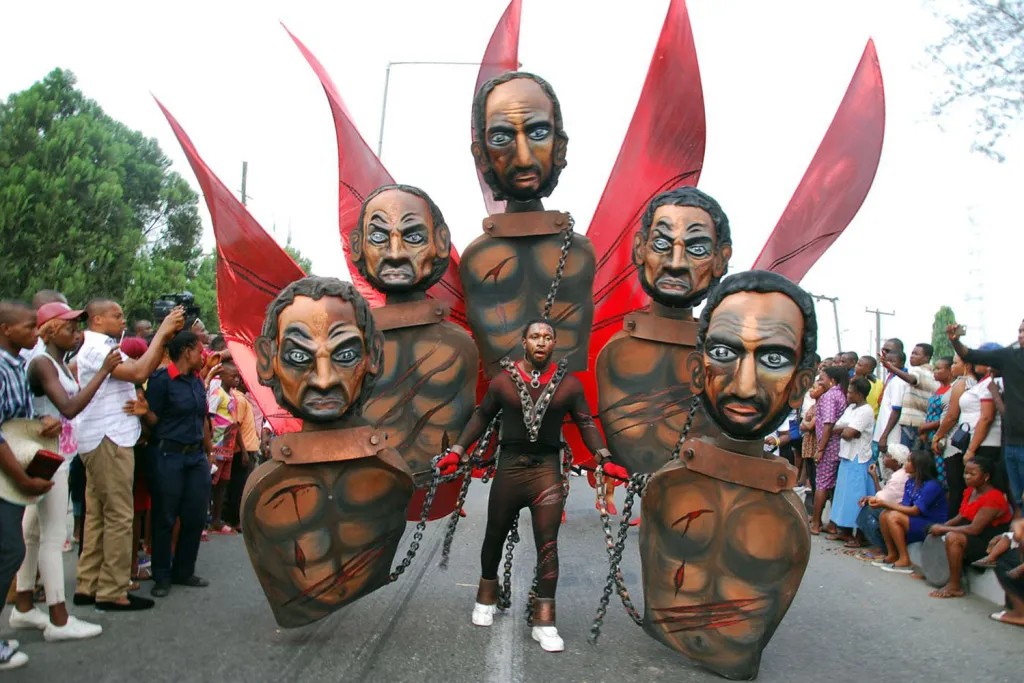
No Calabar Carnival would be complete without its bands. Each band, Bayside, Diamond, Freedom, Passion 4, Masta Blasta, Seagull, and the newcomers Kalasvegas and FAF, competes not just for the title but to tell a story through movement, colour, and music. Band competitions are the backbone of the festival, transforming streets into stages and performers into storytellers.
Costumes are more than just elaborate outfits. Every feather, every bead, every splash of colour is designed to capture attention and convey a message. Judges look for synchronization, creativity, cultural authenticity, and the ability to engage audiences. The bands often spend months preparing, blending traditional motifs with contemporary interpretations, resulting in designs that are as much a reflection of Cross River State’s heritage as they are of modern Nigerian artistry.
The competition matters because it drives innovation. Bands push each other to be better, dancers perfect routines, and costume designers outdo themselves every year. For spectators, it’s a chance to witness creativity at its peak, a visual narrative where music, movement, and story converge. Even as the carnival grows in size and scale, the heart of the event remains the dedication, skill, and passion of the bands, making each year a fresh experience.
Read: AGLOFEST 2025: Here’s All You Should Know
4. Why Calabar Carnival Is Bigger Than Entertainment
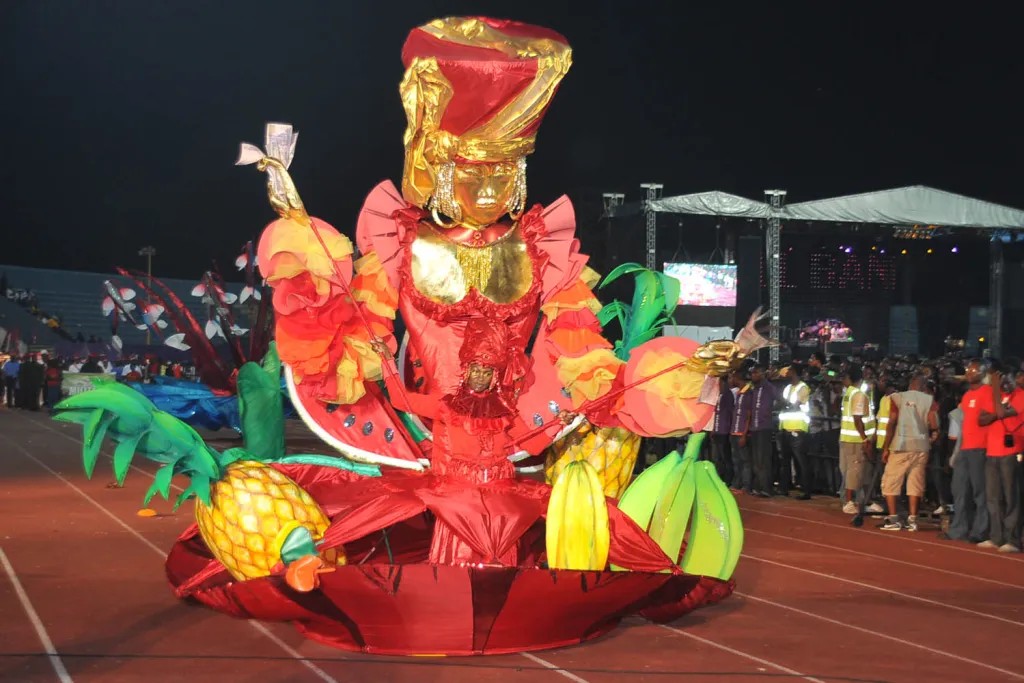
While the parade dazzles and the costumes impress, the Calabar Carnival is more than just entertainment. Over twenty years, it has become a strategic driver of tourism and economic growth for Cross River State. Hotels fill to capacity, restaurants see record crowds, and artisans benefit from the demand for costumes, props, and decorative materials. The carnival is also a tool for cultural preservation, ensuring that traditional dances, music, and folklore are celebrated publicly and taught to younger generations.
Families now plan December holidays around the carnival, and international tourists view it as a gateway to authentic Nigerian experiences. The festival has helped position Calabar as a destination for global cultural exchange, providing opportunities for local talent to share their craft on an international stage. Beyond economic and cultural impact, the carnival fosters community cohesion, uniting people across backgrounds in shared celebration.
This year, this dimension feels especially important, as the festival commemorates two decades of continuity and connection, proving that the Calabar Carnival is a cultural institution, not just a seasonal party.
How to Experience the 2025 Carnival, Even If You’re Not in Calabar
For those who can make the trip, nothing beats being in the streets of Calabar, moving with the parade, and seeing the costumes up close. For the rest of the world, the carnival is just a click away. Official social media channels on Facebook, Instagram, and YouTube stream live highlights, giving viewers a front-row seat to Africa’s most colorful street party.
Whether in person or online, the 2025 Calabar Carnival invites everyone to trace time, celebrate culture, and witness the creativity that has made Nigeria’s biggest carnival a global phenomenon.
Don’t miss a beat of Africa’s vibrant culture! Follow RefinedNG for the latest updates, in-depth stories, and all the must-read highlights on African festivals.