
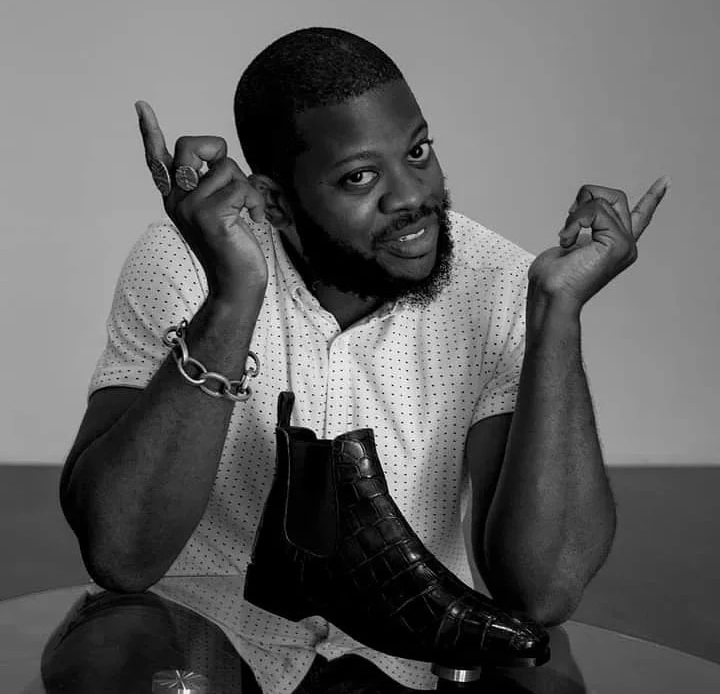
Leaving a stable banking career is rarely a casual decision. For Fred Deegbe, it was a calculated leap driven by curiosity, frustration, and a deeper sense of purpose. While working in Ghana’s financial sector, he encountered a moment that reshaped his trajectory. After purchasing a pair of high-end shoes, he questioned why similar quality could not be produced locally. The answer he received, “it’s impossible”, did not sit well with him.
That single interaction exposed a broader mindset problem: a deep-rooted belief that world-class products must come from outside Africa. Instead of accepting that narrative, Fred began interrogating it. He researched the global luxury footwear market, studied craftsmanship standards, and examined gaps within local production systems. What started as a question evolved into a mission.
At this stage, entrepreneurship was not yet a full-time pursuit. He balanced his banking role with early experiments, outsourcing production to local artisans while learning the mechanics of the trade. This dual phase allowed him to validate demand, refine product quality, and build conviction before making a full transition.
Building Heel The World: A Purpose-Driven Venture
By 2011, demand for his products had grown enough to justify a decisive move. Fred left banking and committed fully to building Heel The World, a brand positioned not just as a shoemaking company but as a statement. The name itself reflected ambition beyond borders; a signal that the goal was global relevance, not local participation.
Heel The World focused on premium craftsmanship, combining local skill with global standards. Fred invested in training artisans, sourcing better materials, and instilling a culture of excellence within his team. The objective was clear: produce footwear that could stand confidently beside international luxury brands.
However, the business was structured as more than a commercial venture. It operated with a social lens, reinvesting into skill development and creating opportunities for young craftsmen. This approach addressed two challenges simultaneously, unemployment and perception.
Scaling came with its own pressures, from pricing scepticism to operational constraints. Yet, Fred remained consistent in his positioning. Competing on quality rather than cost meant playing a long-term game, one that required patience, resilience, and continuous improvement.
Read: Stephanie Egharevba on Building Inclusive Tech in Africa
Changing Mindsets, Not Just Markets
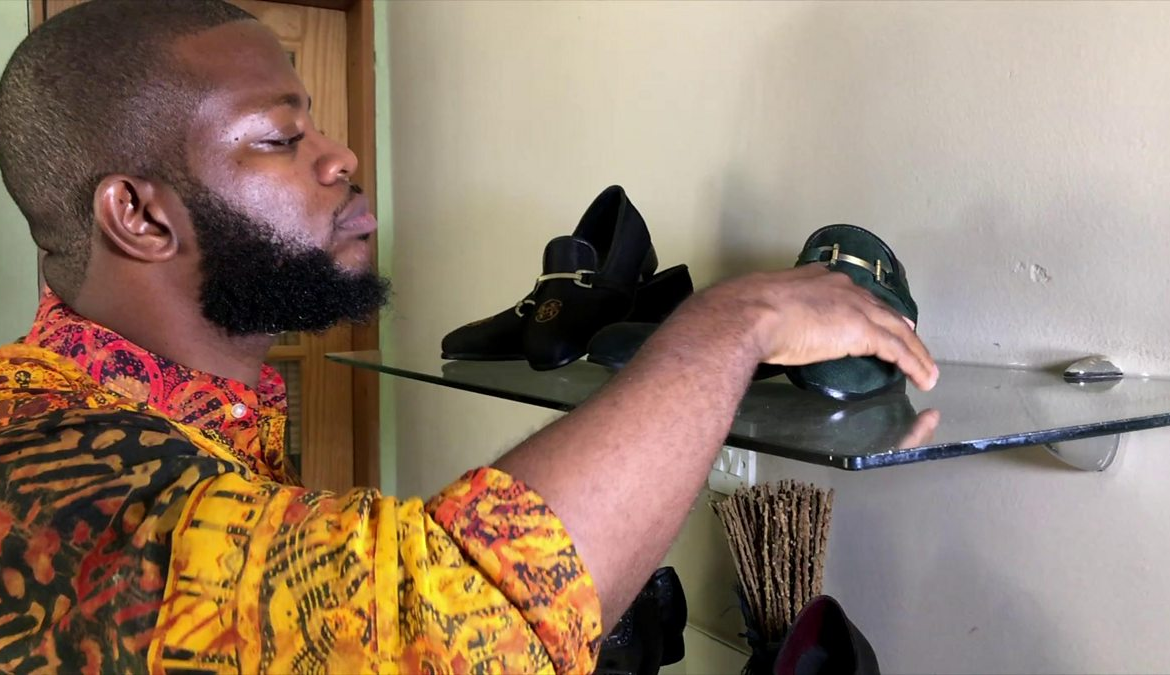
A defining aspect of Fred’s journey is his emphasis on perception. For him, the biggest barrier was not skill or resources, but belief. Convincing consumers to trust locally made luxury goods required more than marketing; it required proof.
Heel The World gradually became that proof. As customers experienced the quality firsthand, attitudes began to shift. The brand also expanded into products like empowerment beads, which carried symbolic meaning; black representing struggle and gold representing reward. These products blended storytelling with design.
Fred’s philosophy challenges the idea of the “self-made” entrepreneur. He consistently emphasizes the role of networks, timing, and collective effort in success. This perspective shapes how he leads.
Beyond products, his work contributes to a broader narrative about African manufacturing. By demonstrating that global standards can be achieved locally, he is helping redefine what is possible within the continent’s creative and industrial sectors.
Read: Lagos Hustle Diaries: Inside the Life of a Nurse and Social Media Manager
Lessons in Risk, Vision, and Execution
Fred Deegbe’s story offers practical insights for founders navigating uncertain paths. First, curiosity can be a powerful catalyst. A simple question, when pursued deeply, can uncover overlooked opportunities. Second, validation matters. His decision to test the business while still employed reduced risk and strengthened his foundation.
Third, positioning is critical. By choosing to compete on quality rather than affordability, he carved out a distinct space in the market. This required discipline, especially in environments where price sensitivity is high.
Finally, purpose can be a durable advantage. Heel The World’s social impact model is not an add-on; it is embedded in its operations. This alignment between mission and execution builds trust with both customers and collaborators.
Fred’s journey is not framed as overnight success. It is a progression of deliberate steps, informed risks, and continuous learning. In a landscape where many ideas remain untested, his story stands as a reminder that execution, more than intention, defines outcomes.
For more founder spotlights, business insights, and sharp perspectives shaping Africa’s future, follow RefinedNG and stay plugged into stories that go beyond the surface.