
At 92, Professor Wole Soyinka remains one of Africa’s greatest literary voices. As the first African to win the Nobel Prize in Literature in 1986, his works have shaped conversations about culture, politics, identity and justice for more than six decades. His plays, novels and memoirs have travelled far beyond Nigeria, earning places on university reading lists and bookshelves across the world.
In honor of his 92nd birthday, here are five of his most influential books and why they continue to resonate with readers across the world today.
Aké: The Years of Childhood
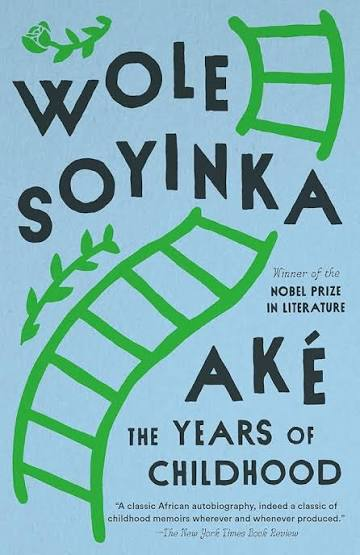
Published in 1981, Aké: The Years of Childhood is widely regarded as one of Soyinka’s most accessible works. The memoir follows his early years growing up in the town of Aké, Abeokuta, offering readers an intimate look at family life, education and colonial Nigeria through the eyes of a curious child.
What makes this book remarkable is its warmth and vivid storytelling. Rather than simply recounting personal memories, Soyinka paints a rich picture of a changing society, making the memoir both deeply personal and historically significant. It remains an excellent starting point for anyone discovering his work.
Read: Lola Shoneyin Becomes Royal Society of Literature Fellow
Death and the King’s Horseman
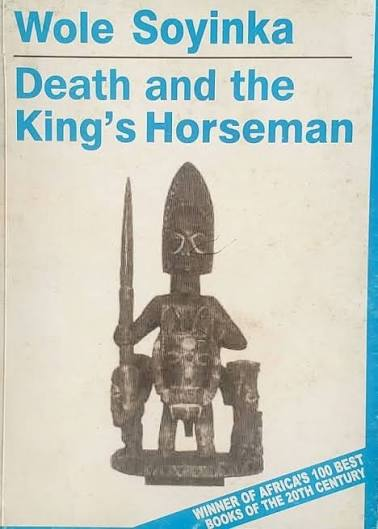
Few African plays have achieved the global recognition of Death and the King’s Horseman. First published in 1975, the play explores the consequences of colonial interference in a sacred Yoruba tradition after British authorities prevent a ritual that is central to the community’s beliefs.
Although often described as a story about colonialism, Wole Soyinka himself insisted it is fundamentally about duty, honour and the balance between the living, the dead and the unborn. Its powerful themes, poetic language and cultural depth have made it one of the most studied works in African literature and a lasting symbol of the richness of indigenous storytelling.
The Lion and the Jewel
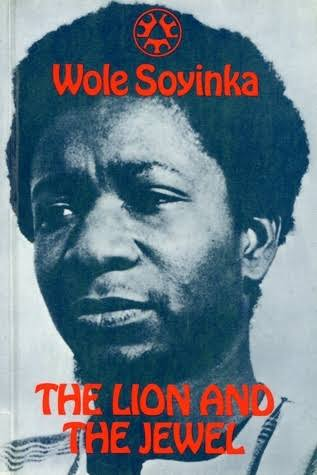
First performed in 1959, The Lion and the Jewel remains one of Soyinka’s most popular plays. Set in a Yoruba village, it follows a humorous rivalry between Lakunle, a Western-educated schoolteacher, and Baroka, the traditional village chief, as they compete for the affection of Sidi, the village beauty.
Behind its humour lies a thoughtful exploration of modernisation, tradition and cultural identity. Rather than presenting one side as entirely right or wrong, Soyinka encourages readers to think critically about how societies embrace change while preserving their heritage. Its relatable characters and lively dialogue continue to attract new generations of readers.
The Interpreters
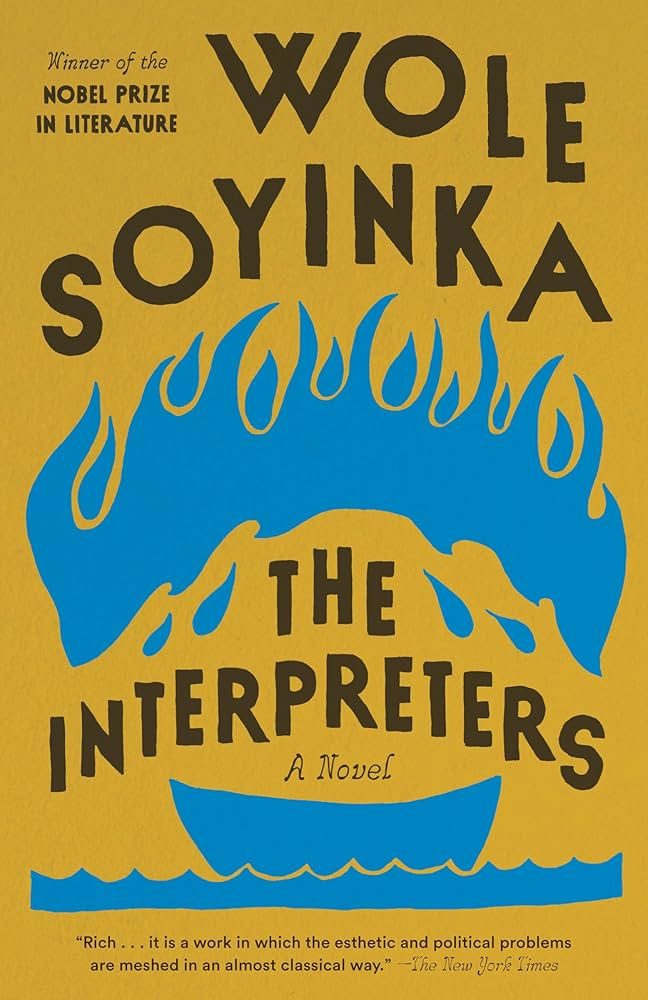
Published in 1965, The Interpreters was Soyinka’s first novel and remains one of his most celebrated. The story follows a group of educated young Nigerians trying to find purpose in a newly independent nation filled with political uncertainty, corruption and social change.
The novel challenges readers to consider the gap between national aspirations and everyday realities. While its themes reflect Nigeria’s early post-independence years, its observations about governance, leadership and social responsibility remain strikingly relevant across Africa today.
Read: Mo Abudu Unveils Star-Studded Cast for The Secret Lives of Baba Segi’s Wives
Chronicles from the Land of the Happiest People on Earth
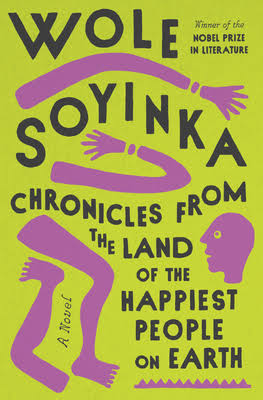
Nearly five decades after publishing Season of Anomy, Soyinka returned to fiction in 2021 with Chronicles from the Land of the Happiest People on Earth. The novel combines mystery, satire and political commentary to examine corruption, abuse of power, organised crime and religious exploitation in contemporary society.
The book demonstrates that even after decades of writing, Soyinka continues to challenge institutions and provoke important conversations. It also reminds readers that great literature does more than entertain. It encourages societies to reflect, question and improve.
At 92, Wole Soyinka’s influence stretches far beyond the pages of his books. His writings continue to inspire readers, challenge assumptions and preserve African stories for future generations. Whether you are reading him for the first time or revisiting an old favourite, his work offers timeless lessons on leadership, culture and humanity.
What’s your favourite Wole Soyinka book?
Stay with RefinedNG for more stories celebrating Africa’s literary icons, history, culture, innovation and the remarkable people shaping the continent’s future.