
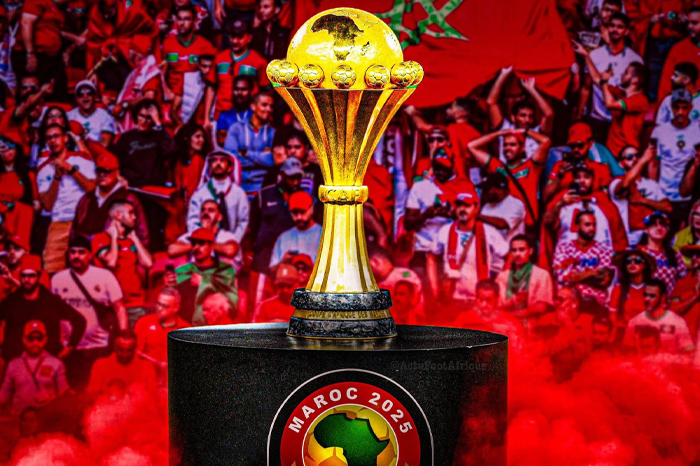
AFCON has never been just another football tournament. It is memory, pride, heartbreak, and identity woven into 90 minutes at a time. AFCON 2025 arrives differently too, played across Christmas and the New Year, when families gather, conversations stretch late into the night, and football becomes a shared ritual. Morocco hosts once again, bringing the competition back to a country deeply tied to African football history, where old stories tend to resurface and new ones are born.
Winning AFCON is never accidental. It is not a season’s luck or a single golden squad. Teams earn dominance here slowly, through pressure-filled nights, missed penalties, and moments that stay with nations forever. That is why AFCON history matters. Each title reflects an era, a style of play, and a footballing culture shaped by its people.
This list is not just about numbers on a trophy count. It is about legacy.
As AFCON 2025 approaches, here are the five countries that have lifted the trophy more than anyone else and the stories behind their dominance.
1. Egypt: The Undisputed Kings of AFCON
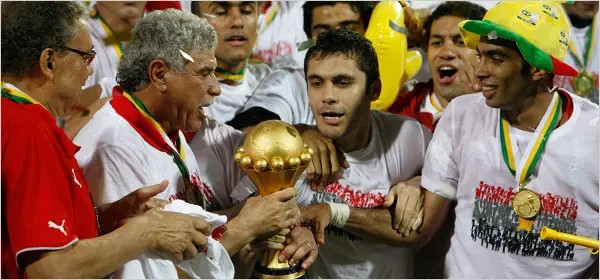
No country understands the Africa Cup of Nations quite like Egypt. Their record speaks clearly: seven AFCON titles, won in 1957, 1959, 1986, 1998, 2006, 2008, and 2010. What makes that dominance special is not just the number, but the spread. Egypt did not rely on one golden generation. They kept winning across different eras, different squads, and different styles of football.
The peak came between 2006 and 2010, when Egypt completed an unprecedented three-peat. Those teams were not flashy, but they were ruthless. Every movement felt rehearsed. Every game plan was clear. They controlled matches with patience, discipline, and an understanding of tournament football that few could match.
Egypt’s strength has always been mental as much as tactical. They manage pressure better than anyone. They rarely panic and they know when to slow games down and when to strike. AFCON often feels like home territory for them, no matter where it is played.
Egypt did not just win AFCON. They understand it. Built for pressure, built for tournaments, and built to last.
Read: Five Times Ahmed Musa Made Nigeria Believe
2. Cameroon: When Power Meets Belief
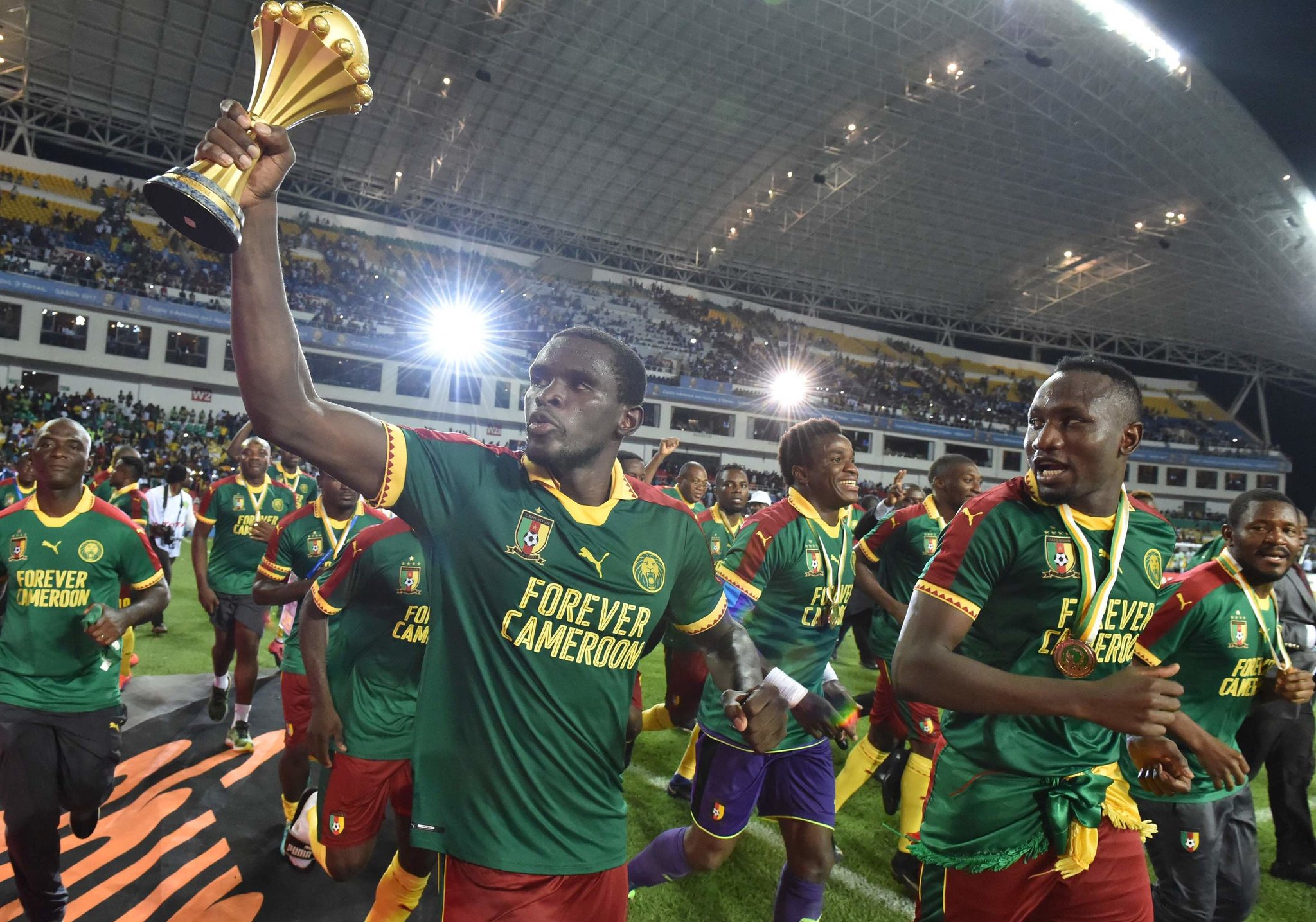
Cameroon’s AFCON story is built on authority. Five titles, won in 1984, 1988, 2000, 2002, and 2017, spread across generations that refused to bow to pressure or reputation. From the raw power of the 1980s to the resilience of the modern era, Cameroon have always carried themselves like a team that expects to be there at the end.
The Indomitable Lions identity is not a nickname. It is a mindset. Cameroon teams impose themselves physically and mentally. They tackle hard, run relentlessly, and play with a confidence that unsettles opponents before the ball is even kicked. Whether led by global stars or less celebrated squads, the belief never changes.
What makes Cameroon unique is their comfort on the biggest stage. They are never intimidated by occasion or opponent. Finals do not shrink them. Hostile crowds do not distract them. They play AFCON with presence, as if the tournament bends slightly to their will.
Cameroon did not win AFCON by accident. They won it by force of belief. When they arrive, the competition feels heavier.
3. Ghana: When the Black Stars Ruled Africa
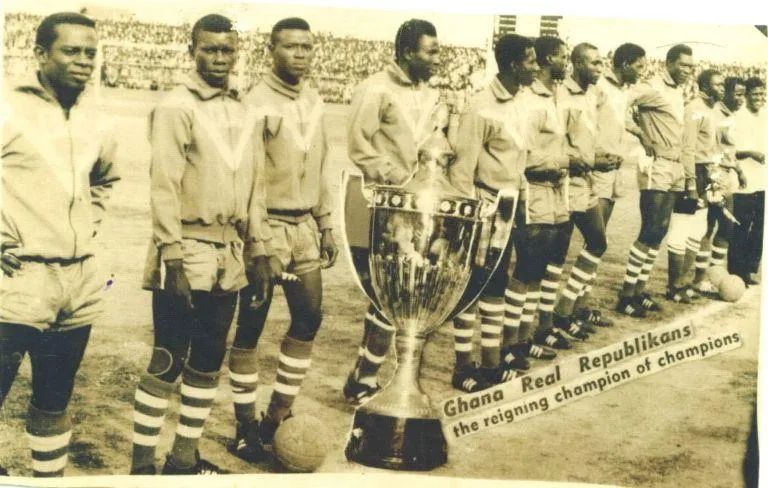
Ghana’s AFCON legacy is rooted in history and heritage. With four titles, won in 1963, 1965, 1978, and 1982, the Black Stars were one of the first nations to truly dominate the competition. Their golden era in the 1960s set a standard for style, confidence, and continental ambition. Ghana did not just win games then, they played with authority and earned respect across Africa.
That dominance returned in the late 1970s and early 1980s, reinforcing Ghana’s status as a footballing powerhouse. Their teams were disciplined, expressive, and unafraid to carry expectations. Even today, that history still hangs over every Ghana squad.
The long title drought has not erased their relevance. Ghana remains a giant, always expected to contend, always treated as a serious threat regardless of form. Few nations carry such weight of history into every AFCON.
Ghana helped define the tournament’s early prestige. And that legacy continues to shape how Africa sees the Black Stars.
4. Nigeria & Côte d’Ivoire: Powerhouses Built on Peaks
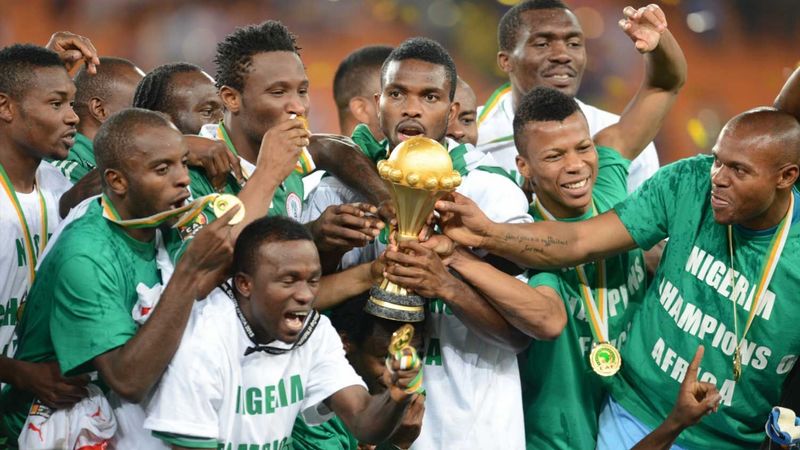
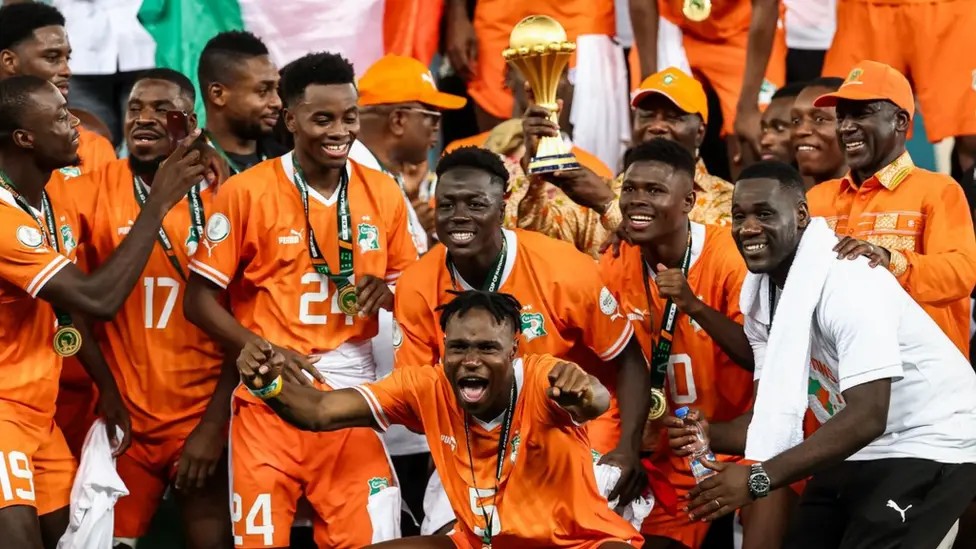
Nigeria and Côte d’Ivoire sit together in AFCON history, each with three titles, but their journeys could not be more different. Nigeria’s wins came in 1980, 1994, and 2013, spread across decades and generations. The Super Eagles have rebuilt repeatedly, producing teams shaped by flair, resilience, and moments of brilliance that arrive when expectations feel heaviest.
Côte d’Ivoire’s story is more concentrated. Their titles in 1992, 2015, and the dramatic 2023 triumph reflect a nation long defined by golden generations and near misses. For years, talent did not translate to trophies. Then, when pressure peaked, the reward finally arrived in unforgettable fashion on home soil.
Both nations know AFCON heartbreak as well as glory. Finals lost. Penalties missed. Campaigns that promised everything and delivered pain. That is what binds them.Nigeria and Côte d’Ivoire reflect AFCON’s truth. Talent alone is never enough. Success is never guaranteed. Every title is fought for, earned, and remembered because of how hard it is to claim.
5. Algeria & DR Congo: Quiet Giants With Historic Punch
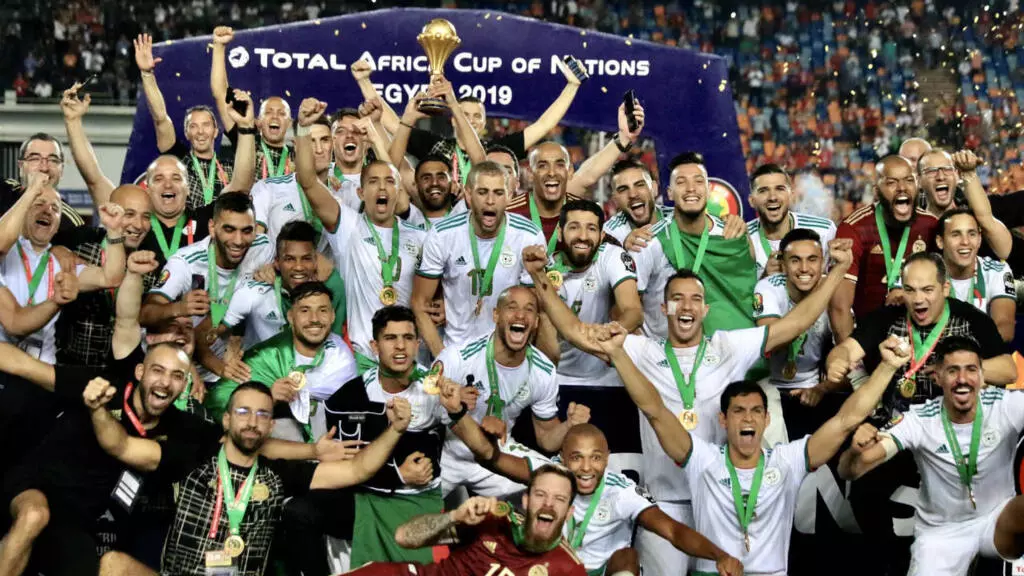
Algeria and DR Congo may not dominate the trophy charts, but their impact on AFCON history runs deep. Each nation has lifted the trophy twice, with Algeria triumphing in 1990 and delivering one of the tournament’s most emotional wins in 2019. That 2019 side played with freedom, belief, and a sense of destiny that carried them past more fancied opponents and into African football folklore.
DR Congo’s success came earlier, in 1968 and 1974, during a period when they were a continental force. Those victories helped shape AFCON’s early competitive balance, proving that power was not reserved for a select few nations.
Their success has been less frequent, but their moments are unforgettable. Each title shifted expectations and reminded Africa of the tournament’s openness.AFCON history is not owned by one region or one style of football. Every champion, whether dominant or unexpected, reshapes the continent’s story and leaves a mark that lasts far beyond the final whistle.
Read: Adekunle Gold Announces Homecoming Concert with 55-Piece Orchestra
AFCON 2025 This Christmas
AFCON history matters because it tells us more than who won and who lost. Titles do not just measure success, they capture eras. They reflect moments when nations found belief, built identity, and carried a continent’s attention on their shoulders. AFCON moves in cycles. Dominance rises, fades, and returns in new forms. Giants fall. New names emerge. That constant shift is what keeps the tournament alive.
As AFCON 2025 approaches, the past will sit quietly in the background. Former champions will carry expectations. Others will arrive hungry to change the narrative. And somewhere in between, history will wait to be rewritten once again.
As AFCON 2025 kicks off this Sunday, history will be watching but Africa is always ready to surprise. Follow RefinedNG as we bring you all the updates from the competition and many more.