
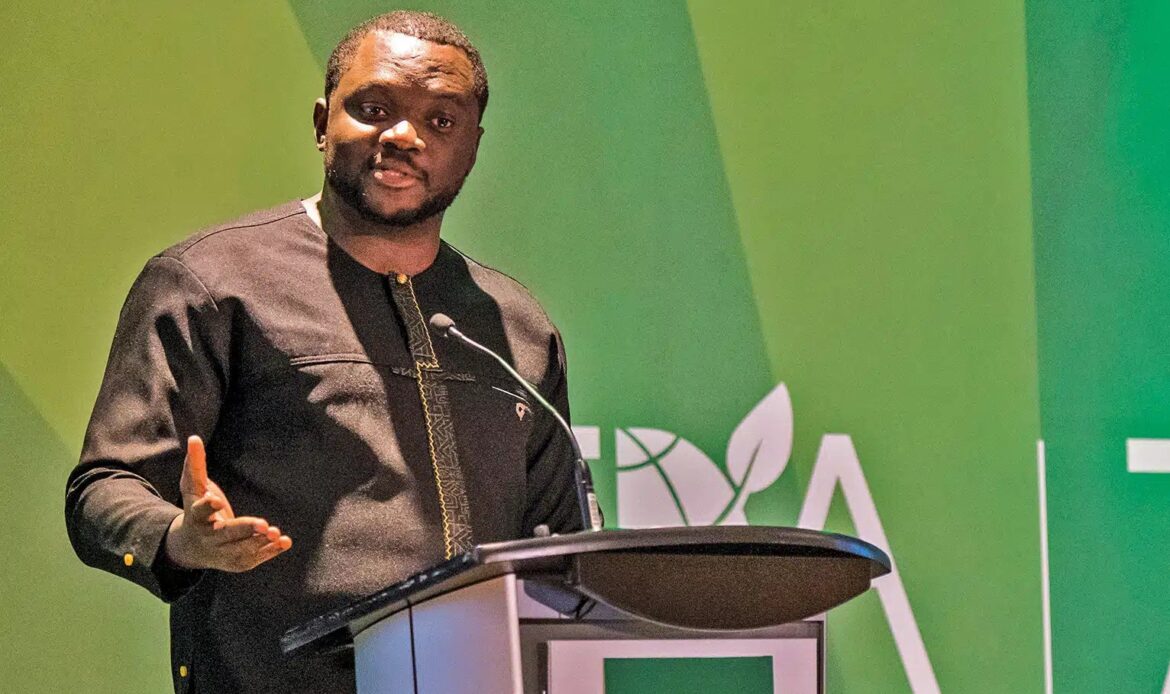
Alloysius Attah spent the first fifteen years of his life living with his aunt on her farm in Ghana’s Volta Region. On weekends, while other kids played, he was sent to help plant yams, maize, and other crops. At the time, he didn’t care about the farm. He often avoided the work, finding corners to rest instead, letting the sun and earth pull him into napping. His aunt, however, was meticulous and award-winning, and she taught him the basics of planting, tending, and harvesting.
Even though farming was a central part of his childhood, his parents hoped he would take a different path. They wanted him to study something that would lead to a steady job and a better life than the daily toil on the farm. Little did they know that these early lessons in agriculture, combined with the pressure to succeed elsewhere, would shape the person who would later bring technology and farming together for millions.
Read: From Classroom Assignment to $11.5M Breakthrough: The Story of Eniola Shokunbi
A Degree Chosen by Mistake
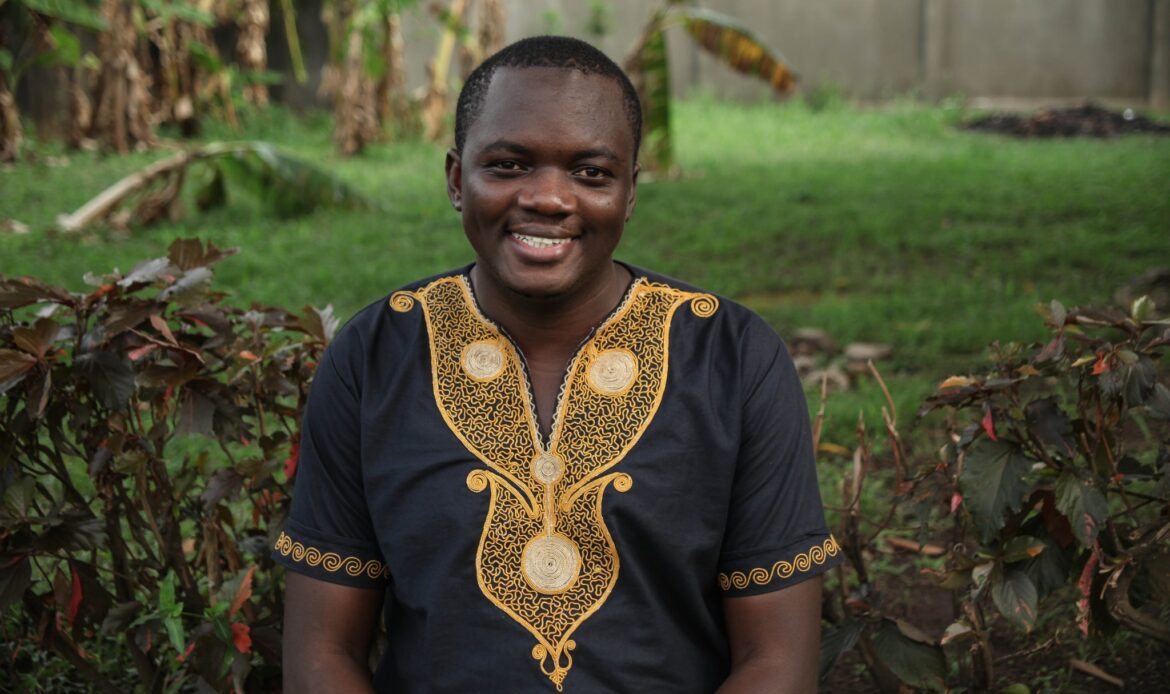
Alloysius never intended to enter agriculture. In fact, the choice of Renewable Natural Resources as his college program was a misunderstanding. His family assumed that studying “natural resources” would lead to a career in Ghana’s newly discovered oil and gas sector. The reality was much different: his first lectures revealed a curriculum full of agriculture, forestry, agroforestry, fisheries, and wood science.
The realization hit him like a cold splash of water. He knew that jobs in agriculture weren’t lucrative and that he would have to think fast if he wanted financial security. To hedge his bets, he began exploring other skills: coding, photography, and technology. Every free moment became a chance to learn something new. This drive wasn’t born from passion, it was survival.
Alloysius wanted to finish school, secure a good job, and take care of his family. Little did he know, these skills would later help him build Farmerline, a company that blends agriculture and technology in ways he never imagined as a restless student.
When SMS Failed and Farmers Spoke Back
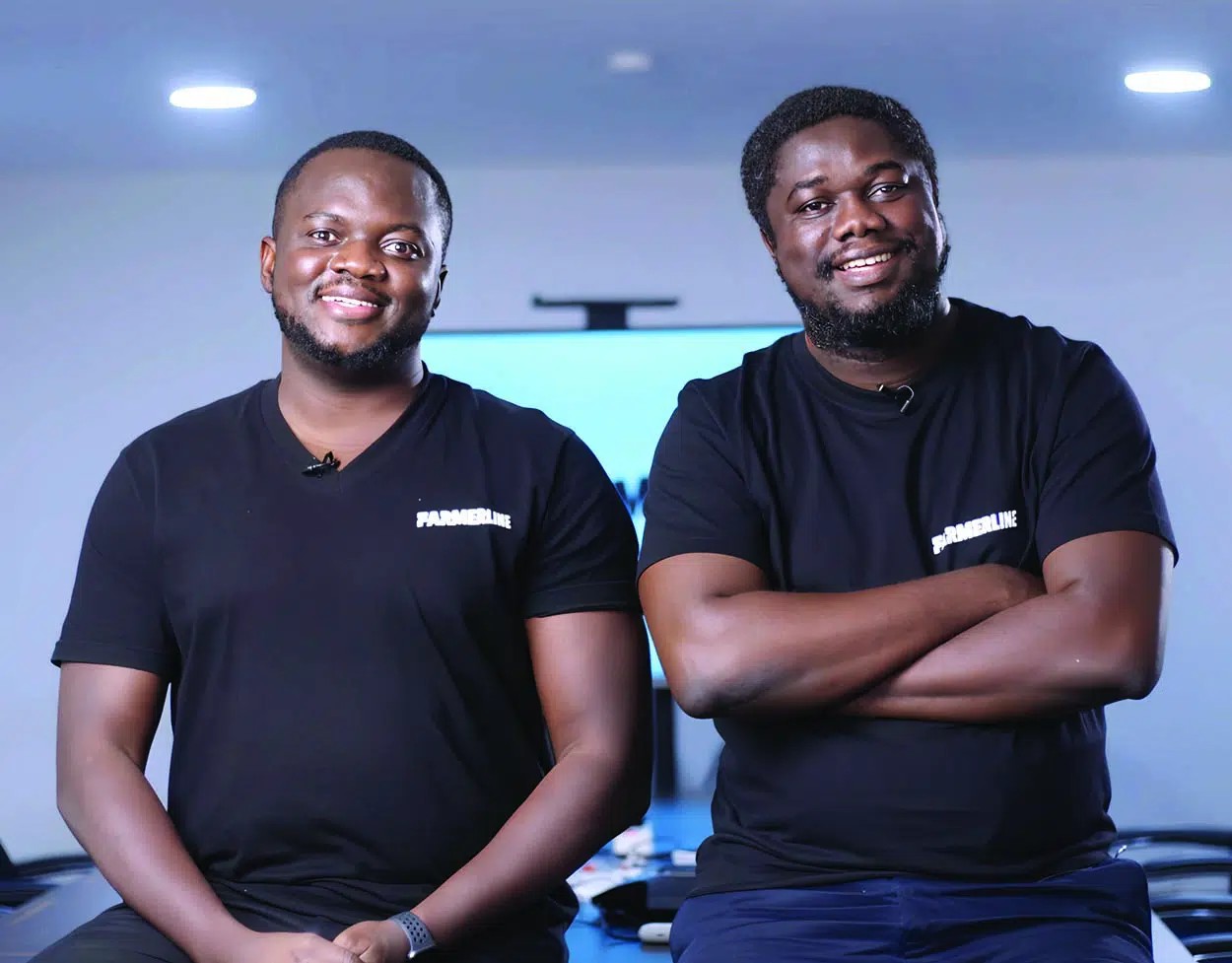
After university, Alloysius teamed up with his friend Emmanuel Addai to launch Farmerline in 2013. Their first idea was simple: send SMS messages with market prices to farmers. They assumed that mobile phones alone would be enough to spread useful information. But early testing quickly proved them wrong. Many farmers did not read text messages. They trusted local extension officers, people from their communities who could speak their language and understood their daily lives.
Realizing this, Alloysius and Emmanuel shifted their approach. They developed voice messaging systems in local languages and worked closely with extension officers. Farmers could hear instructions in familiar voices, ask questions, and trust the advice. This was the first lesson of Farmerline: technology alone does not change behavior. You have to meet people where they are, understand how they operate, and provide tools that fit their routines.
From failed SMS campaigns to voice messages, every mistake taught them something new about communication, trust, and impact.
From One Region to 50+ Countries
Scaling Farmerline was not about chasing numbers. Alloysius spent years experimenting in Ghana’s Ashanti Region, testing methods and refining approaches. He learned when messages were best received, how long they should be, and how field agents could maximize impact without overwhelming farmers. They built agent networks, trained extension workers, and measured results carefully. Success did not come overnight; it came from repeated testing and learning from mistakes.
These years of careful experimentation allowed Farmerline to grow into a platform now used in over 50 countries, reaching more than 2.2 million farmers. The company developed Mergdata, a platform that integrates information, finance, and supply chain support, earning recognition from TIME Magazine as one of the 100 Best Inventions of 2019.
Farmers could now access market prices, weather updates, and advice in over 30 local languages. The careful attention to real-world usability created a system that not only scaled quickly but also made a tangible difference in livelihoods.
Read: Meet Forbes Africa’s 2026 Women Under 50 Power List
Building Tools Farmers Can Actually Use
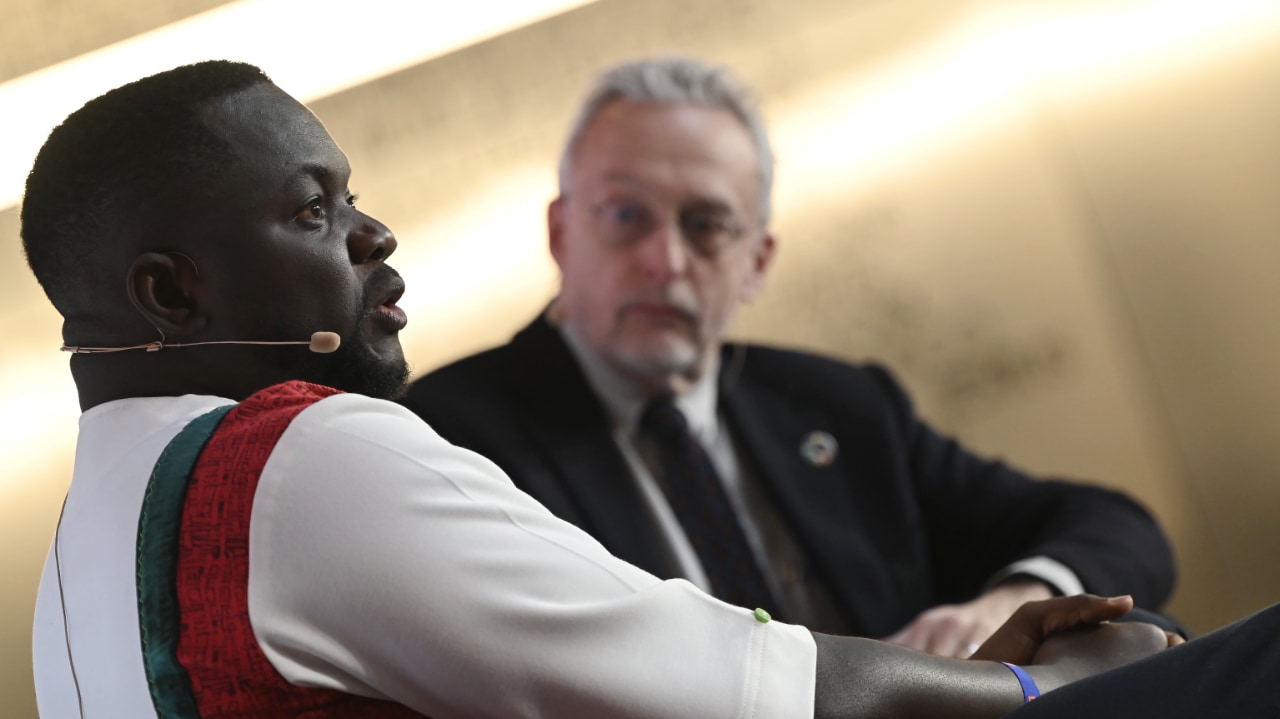
Farmerline continues to evolve under Alloysius’s leadership. Recent projects include AI tools like “Darli”, which gives farmers on-demand advice, and systems to create credit scores from alternative data, helping farmers secure loans. He speaks at global platforms like COP28 and the World Economic Forum, advocating for the 2 billion people who rely on smallholder farming. His board role at Heifer International keeps him grounded in the realities of hunger and poverty.
Despite the global attention, Alloysius remains focused on practical impact. Every tool, platform, and innovation aims to improve farmers’ daily lives. His work demonstrates that technology is only as valuable as the people who can use it and the trust they place in it. By listening to farmers, building networks, and refining every process, he has created systems that are accessible, sustainable, and meaningful.
Follow RefinedNG to explore more stories of Africans like Alloysius who are changing industries by building tools people actually use, not just ideas that look good on papers.