
The scheduling app is now worth $3 billion
Tope Awotona, the brain behind Nigeria’s modern scheduling app Calendy shines brightly on the cover of the 36th edition of Forbes’ Billionaires Issue this year.
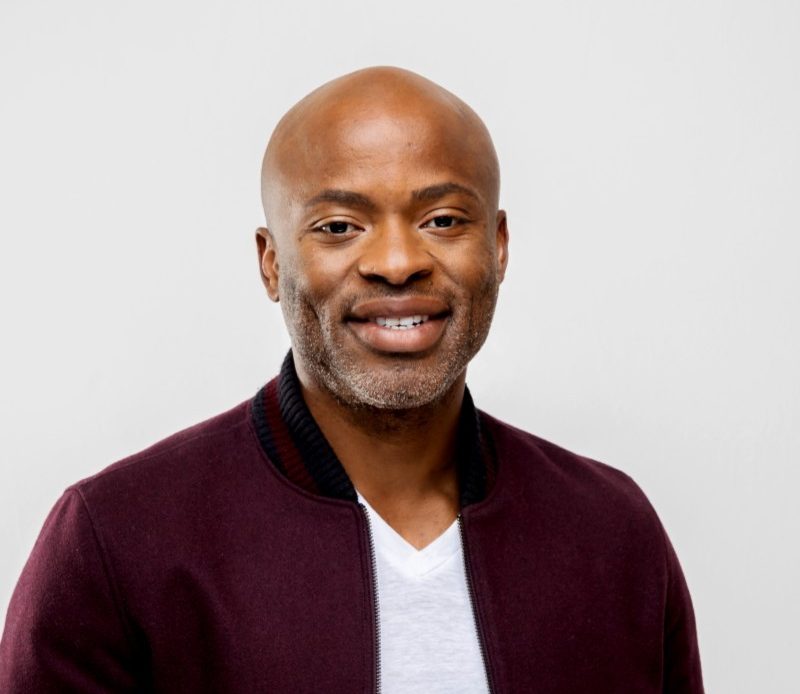
The 40-year-old founder and chief executive, on a mission to create a productive, happier work life has recorded huge success since starting Calendy. Last year, the company made $100 million in revenue, twice of what it booked the previous year.
Tope Awotona started Calendly in 2013 with his life savings of $200,000 and later quit his job selling software for EMC. Today, the company has 10 million users and boasts of top clients including Lyft, Ancestry.com, Indiana University and La-Z-Boy.
Last year, it raised $350 million in funding from OpenView Venture Partners and Iconiq Capital at a price that values the business at $3 billion, Forbes disclosed. This means that Awotana’s majority stake is worth at least $1.4 billion, after the 10% discount that Forbes applies to shares of all private companies.
Read Also: Adédèjì Ọlọ́wẹ̀
Awotona is one of just two Black tech billionaires in the United States, along with David Steward, the 70-year-old founder of Missouri-based IT provider World Wide Technology.
Founder of Atlanta Ventures David Cummings, who also led a $550,000 seed investment in Calendly seven years ago says that “Tope could be the most successful African-American tech entrepreneur of his generation,”
Surprisingly, Calendly doesn’t have the scheduling business to itself. Forbes stated that Square, Microsoft and Zurich-based Doodle also offer competing products. However, Calendly has gained traction with its consumer-friendly design and its freemium model that lets it gain paying customers with little or no marketing.
Tech entrepreneur Awotana is now moving beyond scheduling meetings to creating tools that help recruiters, salespeople and other white-collar workers manage those meetings before and after they occur.
Born in Lagos, Nigeria, into a middle-class family including a microbiologist father and mother who worked at the central Bank, Awotona spent the first 15 years of his life in Nigeria, and moved to Atlanta with his family in 1996. He started out studying computer science at the University of Georgia, then he switched to business and management information. “I loved coding, but it was too monotonous. I’m probably too extroverted to be a coder,” he said.
Awotana later sold software for tech companies, including Perceptive Software, Vertafore and EMC (since acquired by Dell). He also founded a few businesses on the side including a dating website, a company that sold projectors and another that sold garden tools. All three were flops, says Forbes.
Calendly was founded from Awotona’s frustration trying to set up meetings as a salesman. “The obvious idea to me was that scheduling is broken,” Awotona said. He later launched the company from Atlanta Tech Village, a co-working hub for entrepreneurs.
The founder, who took the 424-person company fully remote last summer, plans more features to push Calendly further into what needs to happen before meetings (such as having candidates’ résumés attached to recruiters’ calendar invitations) and after them (such as increased analytics). He’s also planning international expansion, believing that the pain of scheduling is felt across all geographies and languages.
“The opportunity to make each meeting efficient and achieve its stated purpose is what we’re about,” says Awotona, who confesses to spending 25 hours in meetings in an average week. “We see scheduling as an opportunity to set the meeting up for success—how you schedule the meeting, simplified preparation and follow-up. That is our grand vision.”
Congratulations Tope Awotana