
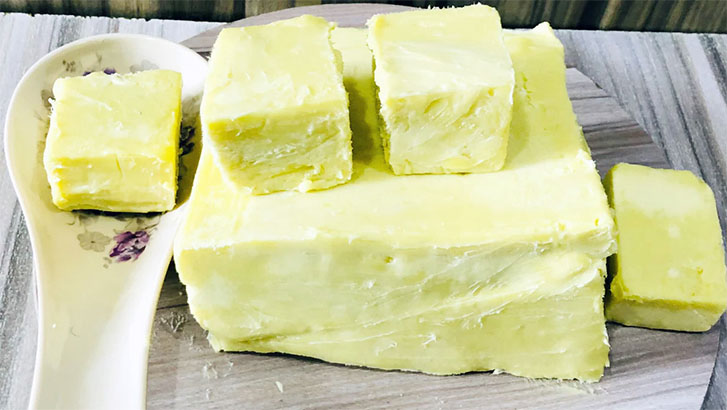
If you check your body cream, lip balm, or even some chocolates, there’s a good chance that shea butter is listed somewhere on the label. For many people, it’s just another skincare ingredient, something soft, smooth, and reliable sitting on a shelf in London, New York, or Lagos.
What most people don’t realise is where that ingredient really comes from.
Far from store aisles and polished packaging, shea butter starts its journey in the savanna belt of West Africa. And right at the centre of that story is Nigeria. The country is not just a participant in the global shea industry. It leads it by a wide margin. Yet, for something so widely used across the world, very few people know that Nigeria is the largest producer of shea butter on earth.
Nigeria Leads the World by a Wide Margin
When it comes to Nigeria’s shea butter production, the numbers are hard to ignore. Nigeria accounts for roughly 40 percent of global shea nut production and about 53 percent of total shea butter output. That places it ahead of every other country in the world.
The crop grows across about 20 of Nigeria’s 36 states, especially within the northern belt, including Niger, Kwara, and Kebbi. In these regions, shea trees grow naturally, forming part of the landscape rather than large-scale plantations. Each year, Nigeria produces between 361,000 and 600,000 metric tonnes.
Other major producers like Mali and Burkina Faso contribute significantly, but still operate well behind Nigeria in volume. Simply put, no other country matches Nigeria’s scale in the global shea industry.
Read: Did You Know Côte d’Ivoire Produces the Most Cocoa in the World?
What Shea Butter Is and Why It’s Everywhere
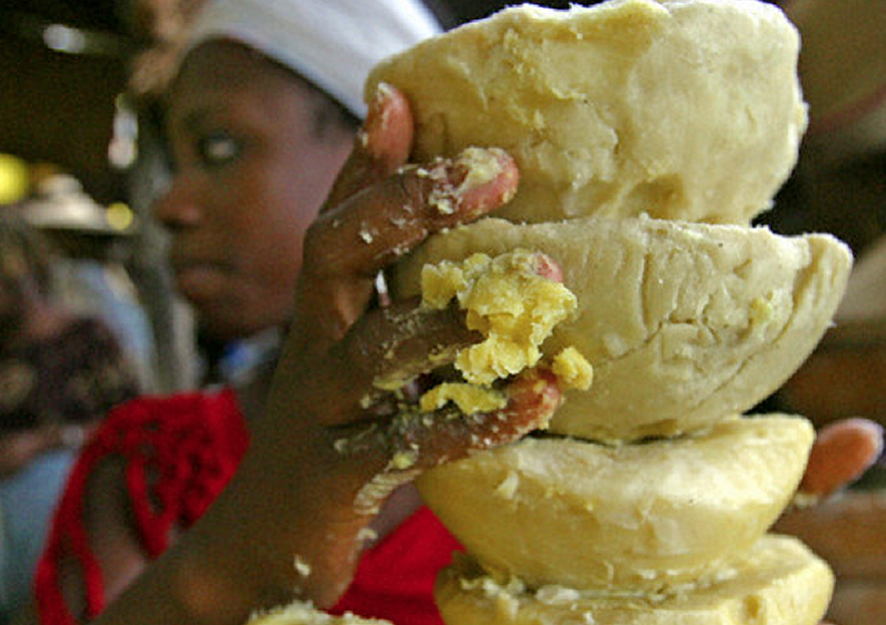
Shea butter is a natural fat extracted from the kernels of the shea tree, known scientifically as Vitellaria paradoxa. After harvesting, the nuts are dried, processed, and turned into the creamy substance many people recognise today.
Its appeal comes from how versatile it is. Around 85 percent of processed shea butter goes into the global food industry, often used as a substitute for cocoa butter in chocolate and other products. The rest is used in cosmetics, where it appears in moisturisers, hair products, anti-ageing creams, and baby care items.
What makes it valuable is its natural composition. It is rich in vitamins, especially vitamin A, and known for its ability to soften and protect the skin. As demand for natural and ethically sourced ingredients grows, shea butter continues to gain global attention.
Nigeria Produces the Most but Doesn’t Earn the Most
Here’s where the story becomes more interesting.
Despite leading the world in production, Nigeria has historically exported a large portion of its shea as raw nuts. That means much of the processing, and the higher profits that come with it, happen outside the country.
Ghana, for example, produces less shea overall but has built a stronger processing and export system for finished shea butter. This gives it an edge in global trade.
However, things are beginning to shift. Recent policy moves, including restrictions on exporting raw shea nuts, point to a growing focus on local processing. The goal is simple. Keep more value within the country, create jobs, and strengthen the entire shea value chain.
Behind all of this are rural communities, especially women, who play a central role in collecting and processing shea at the grassroots level.
Read: Hamamat Montia Named Ghana’s First Ambassador of Shea
A Growing Story Worth Paying Attention To
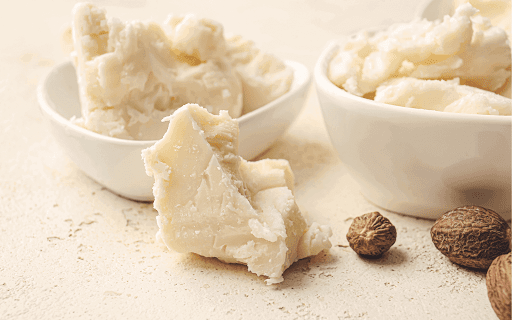
Nigeria’s position as the world’s largest shea butter producer tells a bigger story about potential. It is about a resource that already exists, a system that supports millions of livelihoods, and an industry that is still evolving.
As more attention shifts toward local processing and value creation, the impact could stretch far beyond agriculture. It could reshape how Nigeria participates in global trade.
Next time you see shea butter on a label, it might be worth pausing for a second. There’s a strong chance that part of its story began in Nigeria.
For more insights like this on African culture, business, and everyday stories you might be overlooking, follow RefinedNG and stay curious.