
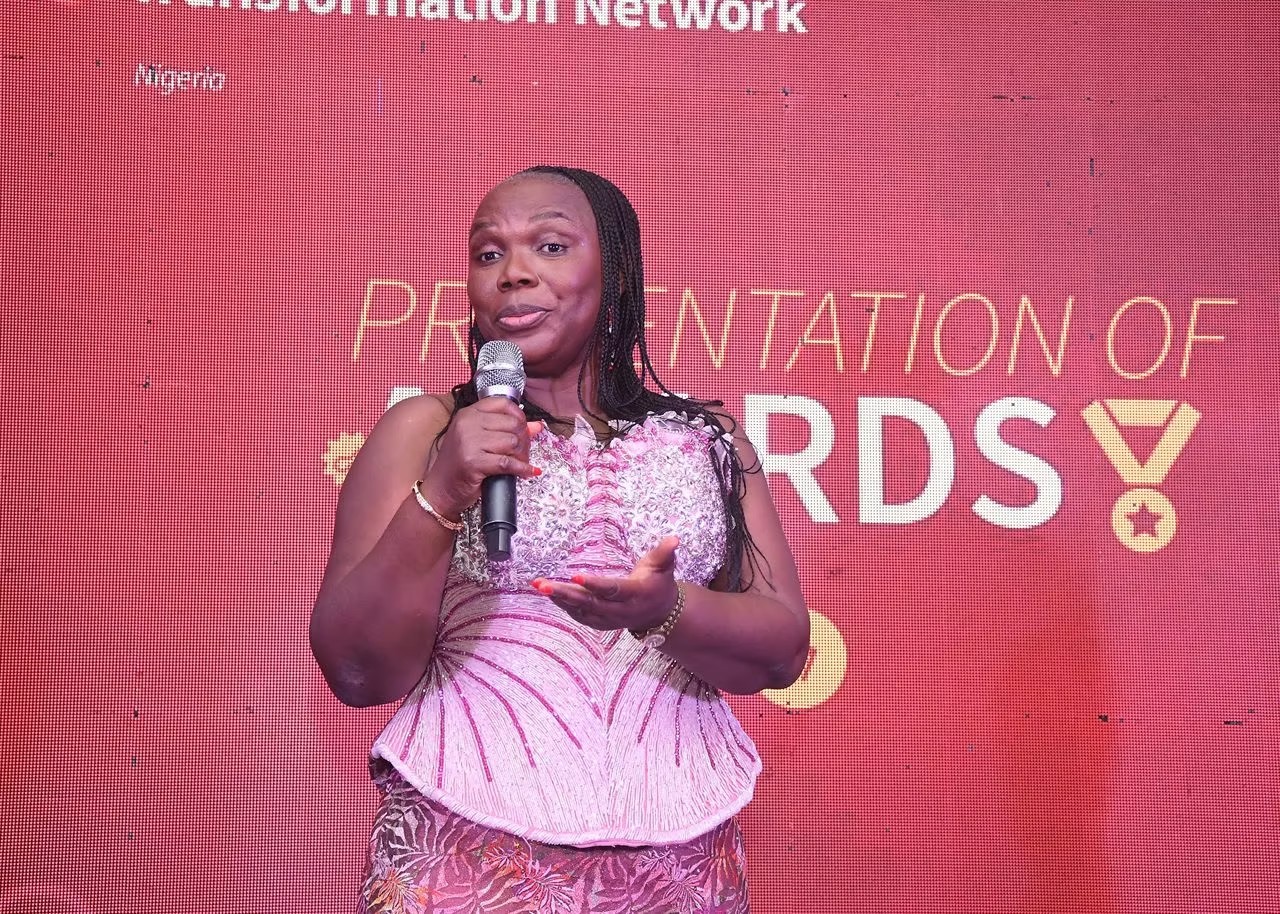
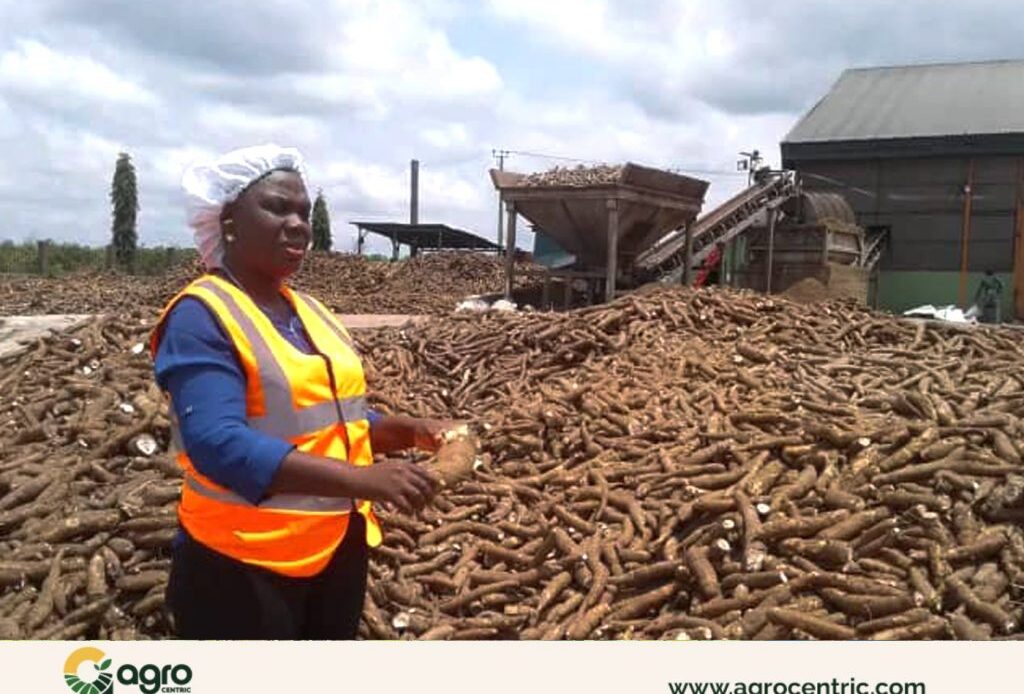
In Nigeria, cassava is everywhere. It shows up as garri, fufu, and other everyday meals. For a long time, that was where the story ended. It was seen as a basic food crop, not a serious industrial resource. But Yemisi Iranloye saw something different.
She saw a crop with the potential to power industries, replace imports, and create real economic value. Through her company, Psaltry International Limited, she has spent years proving that cassava can go far beyond the kitchen.
Today, her business supplies high-quality cassava products to major manufacturers, turning a familiar crop into a key part of Nigeria’s industrial supply chain. Her journey is not just about farming. It is about vision, execution, and changing how people think about agriculture.
From Biochemist to Agribusiness Builder
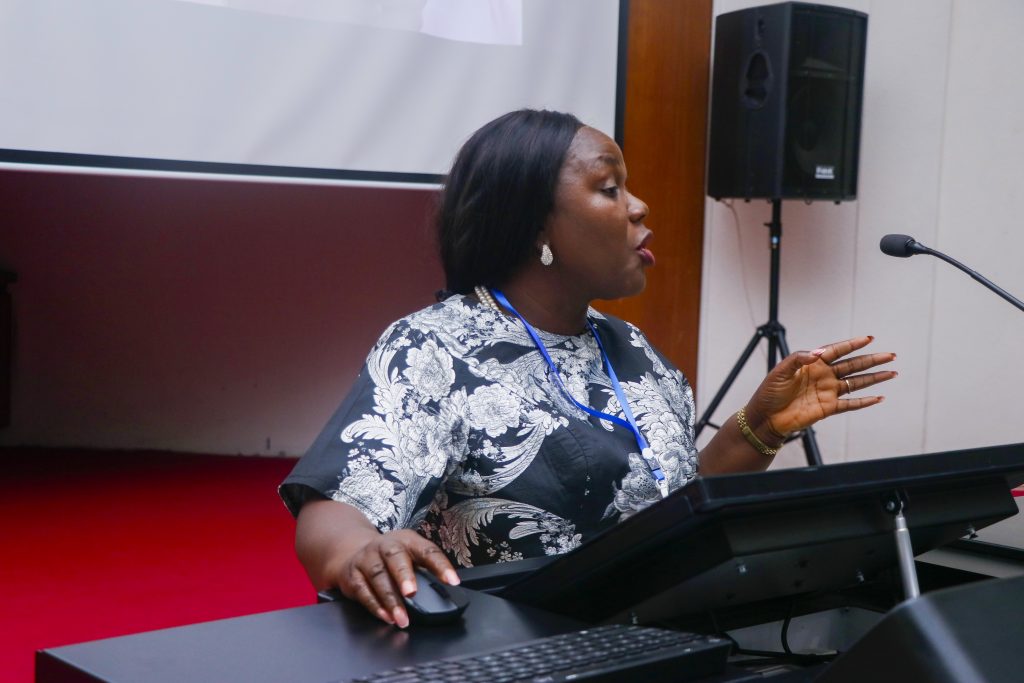
Iranloye’s path into agribusiness did not start on a farm. She studied Food Biochemistry and built her early career in agro-processing, where she worked on products like glucose syrup derived from cassava. That experience exposed her to the industrial side of agriculture and the opportunities many people were overlooking.
In 2005, she took a small step. While still employed, she bought land in Oyo State and started farming cassava on a small scale. It was not a big leap at first. It was a side project, something she worked on alongside her job.
The turning point came years later. At the age of 40, she made a decision that would define her career. She left paid employment and committed fully to building her cassava business. It was a bold move, especially in a sector known for uncertainty.
She started small, working with a handful of farmers and limited resources. Funding was a challenge, and the path ahead was not always clear. But she stayed focused on building something sustainable, not just something that would bring quick returns.
Read: Before MTN, Airtel and Glo… There Was Econet
Building Psaltry in the Middle of Nowhere

One of Iranloye’s smartest decisions was also one of her riskiest. She chose to build her processing facility in a rural area, close to the farms supplying cassava.
Cassava has a major limitation. Once harvested, it begins to spoil within 24 to 48 hours. For many processors, this leads to losses and poor-quality output. By placing her factory close to the source, she solved that problem directly.
The location, however, came with serious challenges. There were no proper roads, no steady electricity, and limited access to water. Instead of waiting for solutions, she created them.
Iranloye built access roads to move goods in and out. She relied on generators before eventually connecting to the national grid. She drilled boreholes to provide water for both the factory and the surrounding community.
What started with just a small group of farmers has grown into a large network of thousands. Today, her supply chain includes between 10,000 and 16,000 smallholder farmers who provide cassava for processing.
Turning Cassava into an Industrial Powerhouse

Iranloye’s biggest contribution has been shifting cassava from a subsistence crop to an industrial raw material.
Her company began with starch production, a key ingredient used in food manufacturing and packaging. From there, it expanded into high-quality cassava flour, which serves as a gluten-free alternative to wheat.
The next step was even more significant. Psaltry began producing sorbitol, a natural sweetener used in toothpaste and other personal care products. Before this, most of Nigeria’s supply was imported.
By producing these goods locally, Iranloye’s business has helped reduce dependence on imports and opened new markets within the country.
Her commitment to quality has also attracted major clients, including Nestlé, Unilever, and Nigerian Breweries. Supplying companies at that level requires consistency and high standards, something Psaltry has worked hard to maintain.
Empowering Farmers and Driving Local Industry
Beyond the factory, Iranloye’s work has had a wide impact on farmers and rural communities.
Her business model brings smallholder farmers directly into the supply chain, giving them a reliable market for their produce. This reduces the role of middlemen and allows farmers to earn more from their work.
Over time, this has improved income levels for many of the farmers she works with. What was once subsistence farming has become a more stable and rewarding livelihood.
Recent foreign exchange challenges in Nigeria have also increased demand for locally produced raw materials. As imports become more expensive, more companies are turning to local suppliers like Psaltry. This shift has helped grow the cassava processing industry and created more opportunities across the value chain.
Read: 10 African Startups You Probably Haven’t Heard About Yet
The Mindset Behind the “Cassava Queen”
Iranloye’s success is not just about strategy. It is also about mindset.
She often speaks about delayed gratification, treating the business as separate from personal income and allowing it to grow over time. She also highlights the importance of passion, especially in agriculture, where challenges are constant.
Perhaps most importantly, she believes in persistence. You do not always need a perfect plan to start. What matters is staying consistent and learning along the way.
Looking ahead, she is already exploring new opportunities in crops like sweet potatoes and coconuts, showing that her focus is still on growth and innovation.
Yemisi Iranloye has shown that agriculture in Nigeria can go far beyond subsistence. From a small farm in Oyo State to a company supplying global manufacturers, her journey reflects what is possible when vision meets execution.
Her work continues to shape how cassava is viewed, not just as food, but as a driver of industrial growth and economic development.
For more stories on African founders, innovators, and business leaders building the future, follow and stay connected to the ideas shaping the continent.