
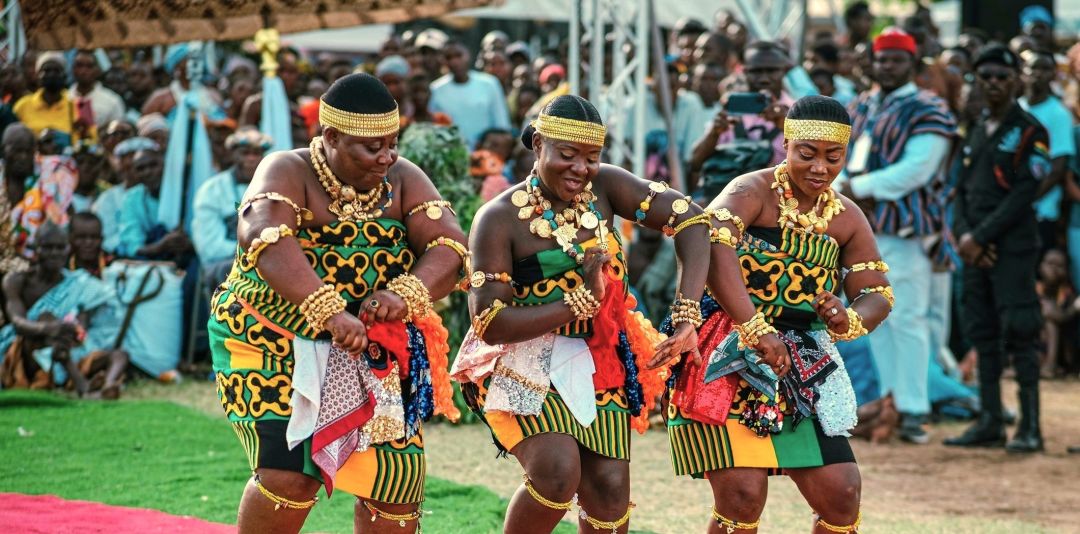
Not every important celebration waits for a full year to come around. Some return more often, almost like a steady rhythm you can count on. That is the case with the Akwasidae Festival in Ghana.
If you have never heard of it, you are not alone. Outside Ghana, it is not as widely talked about as some annual festivals. But within the Ashanti Kingdom, it holds deep meaning and shows up consistently, every six weeks.
Akwasidae is not just about celebration. It is about remembrance, connection, and continuity. It reflects how culture can shape time itself, turning ordinary days into moments of meaning that people look forward to, again and again.
Read: The Most Linguistically Diverse Continent
A Calendar That Moves Differently
One of the first things to understand about Akwasidae is that it follows a different rhythm of time. The Akan traditional calendar does not run on the usual twelve-month system many people are used to. Instead, it is divided into cycles that last about six weeks.
At the end of each cycle comes Akwasidae, which is observed on a Sunday. This means the festival takes place about nine times in a year. It is part of a larger cycle known as Adae, which includes other sacred days, but Akwasidae stands out as the most widely recognised.
This structure changes how people relate to time. Instead of waiting months for a major cultural moment, there is a steady return to reflection and gathering. It creates a sense of continuity, where culture is not occasional but constant.
In many ways, the calendar itself becomes a reminder. Every few weeks, there is a reason to pause, to gather, and to reconnect with what matters.
Honouring Ancestors, The Heart of the Festival
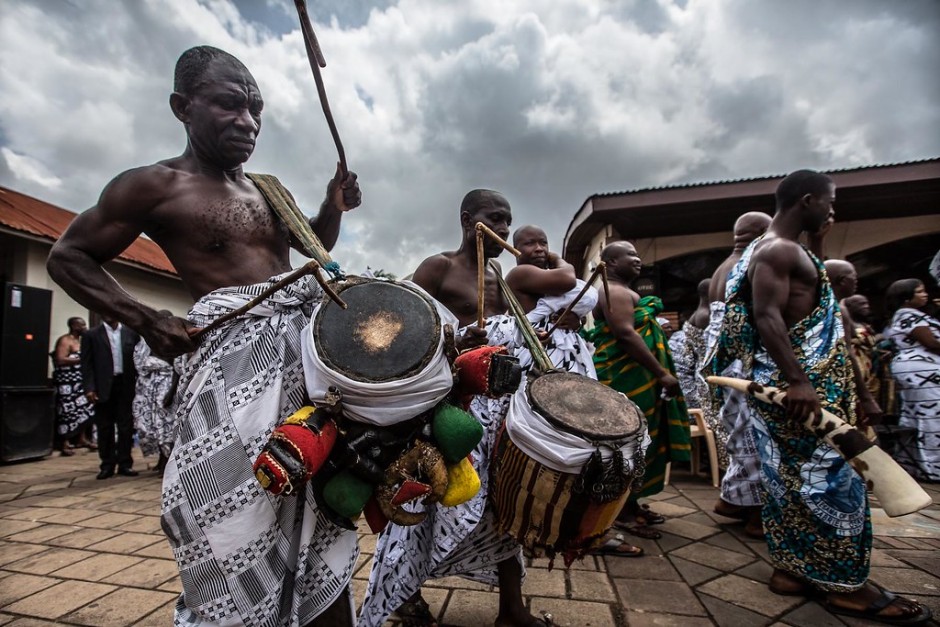
At its core, Akwasidae is about honouring ancestors. This is not done as a distant or abstract idea. It is active, intentional, and deeply woven into how people see their place in the world.
During the festival, families and communities present offerings such as food and drinks. One of the well-known dishes is Eto, a mashed yam meal often served with eggs. These offerings are not just symbolic. They represent gratitude, respect, and a continued relationship with those who came before.
There are also moments of drumming, singing, and dancing. These are not just performances. They are expressions of memory and identity. Through them, stories are passed down, values are reinforced, and younger generations learn where they come from.
Akwasidae creates a bridge. It connects the present to the past in a way that feels alive. It reminds people that history is not something left behind. And, it is something carried forward.
Royal Presence and Community Gathering
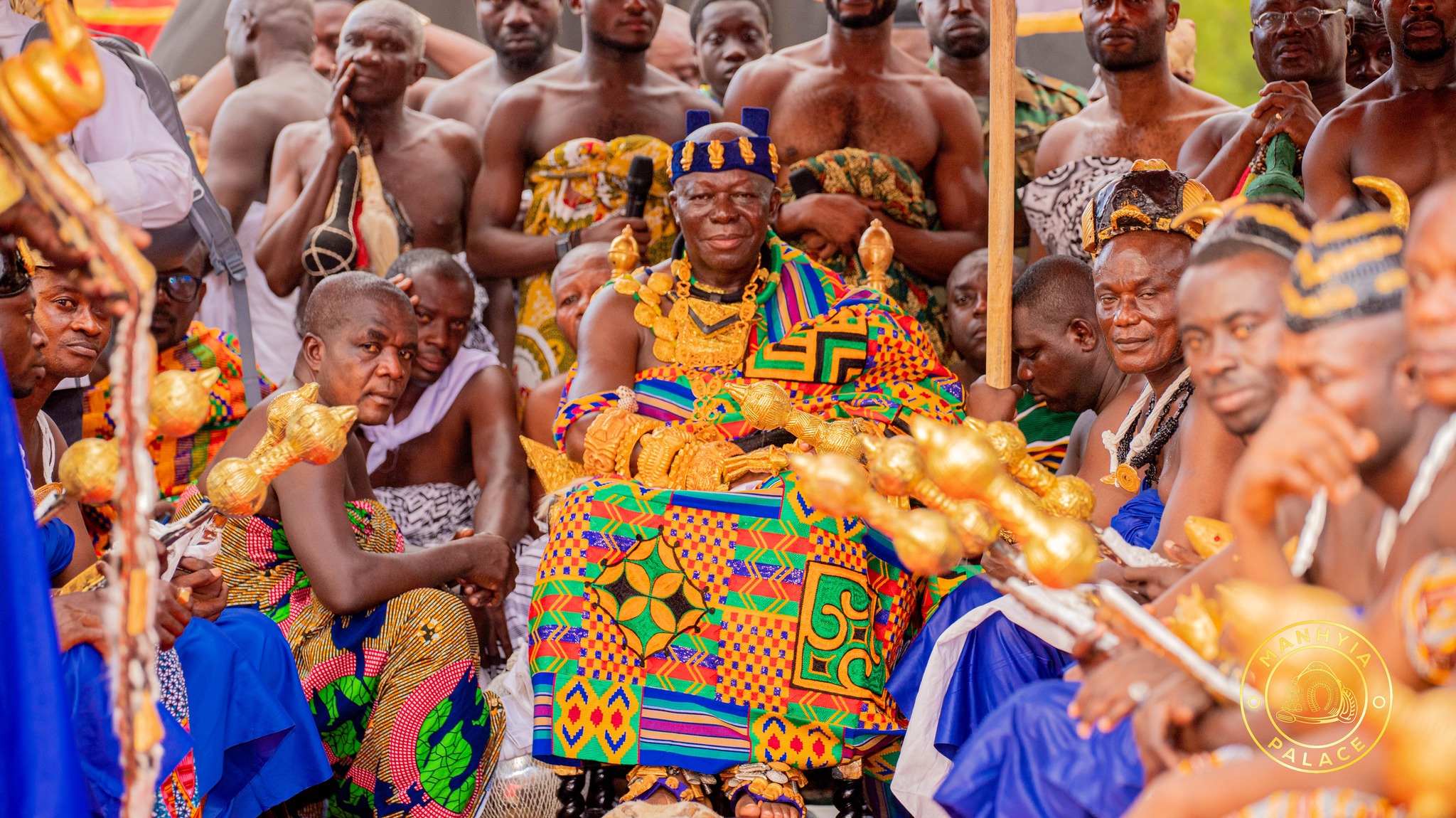
Beyond its spiritual meaning, Akwasidae is also a powerful display of leadership and community. At the centre of the celebration is the Asantehene, the King of the Ashanti people, who meets his subjects at the Manhyia Palace in Kumasi.
The gathering, known as a durbar, brings together chiefs, elders, and community members. The atmosphere is vibrant. There is drumming, dancing, and a procession that reflects the richness of Ashanti culture. The King appears in full regalia, often adorned with gold and traditional cloth, symbolising authority and heritage.
One unique aspect of the festival is its openness. People have the opportunity to see the King up close and, in some cases, greet him. It creates a moment where leadership feels visible and connected to the people.
The Golden Stool, a powerful symbol of Ashanti unity, is also associated with the occasion. While it is treated with great respect, its presence reinforces the idea that the festival is not just about individuals. It is about a shared identity that binds the community together.
More Than Tradition, A Living Cultural Experience
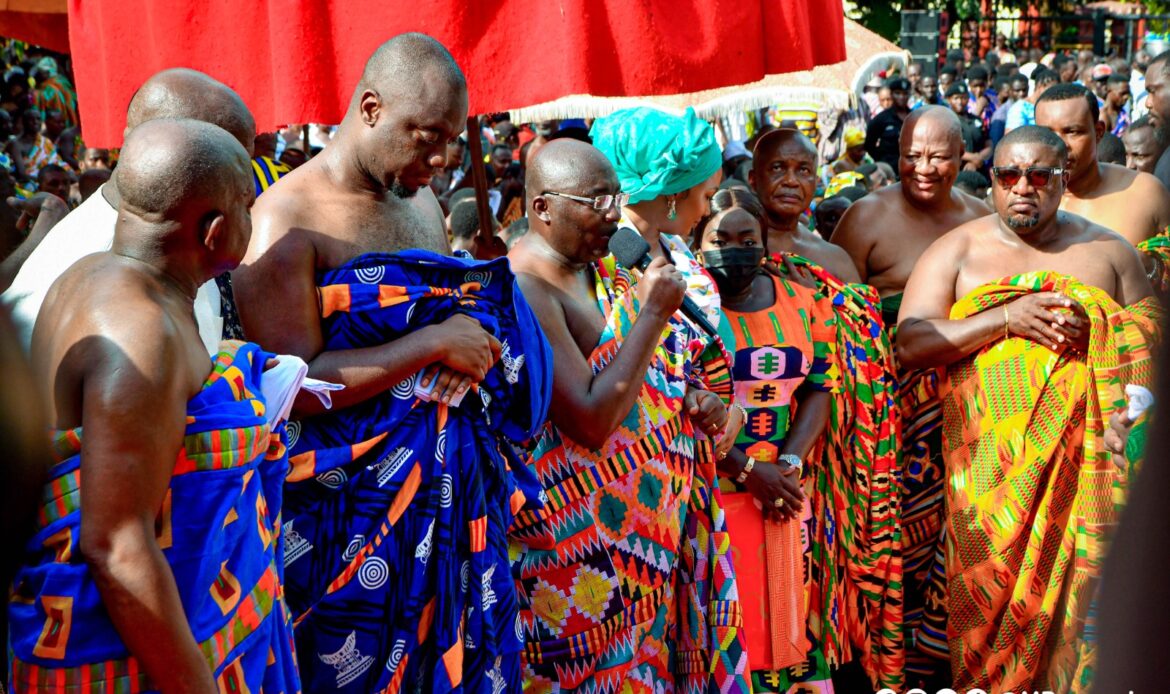
Akwasidae has remained relevant because it continues to adapt without losing its meaning. Today, it attracts not only locals but also visitors who want to experience Ashanti culture firsthand.
The festival now blends spiritual purpose with cultural expression. You will find traditional performances, storytelling, and local cuisine all playing a part. Markets around the event come alive, and artisans, food vendors, and performers all contribute to the experience.
For younger generations and those in the diaspora, Akwasidae offers a way to stay connected. It provides a space where culture is not just remembered but experienced in real time.
It also supports local communities in practical ways, from tourism to small businesses. This makes the festival not only a cultural moment but also an economic one.
Read: Did You Know Côte d’Ivoire Produces the Most Cocoa in the World?
Why Akwasidae Still Matters
Akwasidae is more than a festival on a calendar. It is a system of remembering, gathering, and reconnecting that continues to shape life in the Ashanti Kingdom.
In a world that often moves too quickly, it offers a steady pause. A moment to reflect on where people come from, who they are, and how they move forward together. The next time you come across the name, you will know it carries more than tradition. It carries rhythm, meaning, and a sense of belonging that has lasted for generations.
For more stories that explore African culture, heritage, and everyday traditions, follow RefinedNG and stay connected to the stories that shape us.