
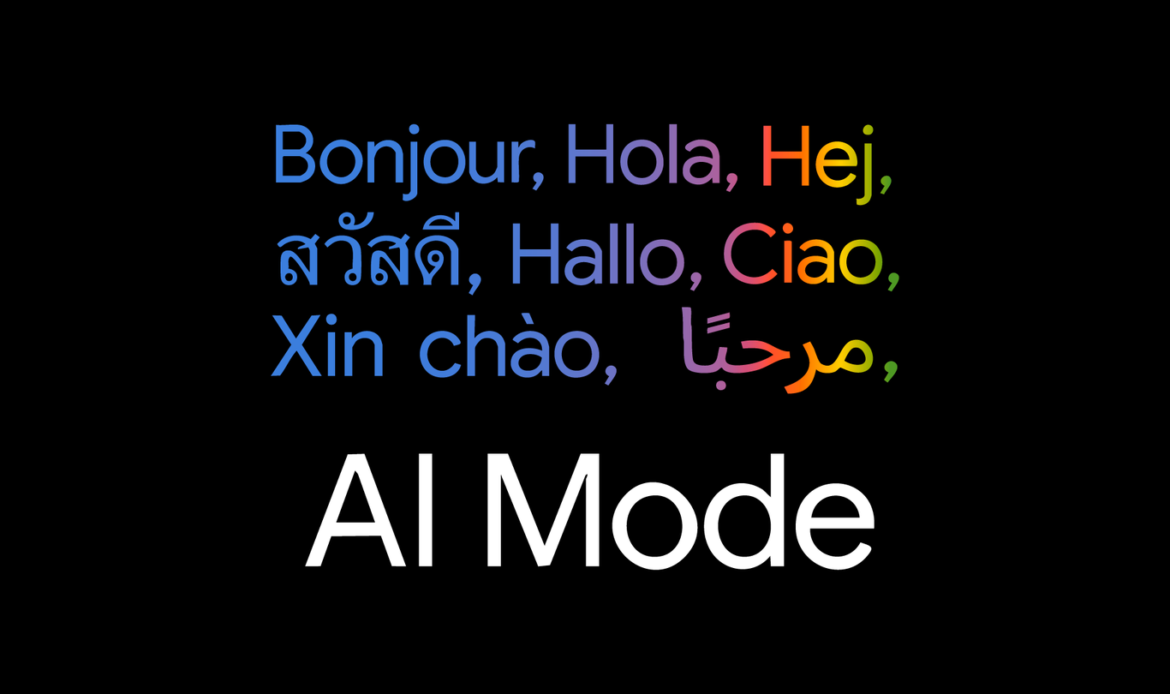
Artificial intelligence is rapidly reshaping how people search, learn, and work online. Yet for millions of Africans, interacting with digital tools has often meant switching to English or other global languages that may not reflect how they naturally communicate.
Now, that gap is beginning to close. Google has expanded its AI-powered search features to support 13 African languages, allowing users across the continent to interact with advanced AI tools in languages that are part of their everyday lives.
The update brings Google’s AI Overviews and AI Mode search tools to languages widely spoken across Africa, including Yoruba, Hausa, Kiswahili, Amharic, Wolof, Somali, Afrikaans, isiZulu, Sesotho, Setswana, Akan, Kinyarwanda and Afaan Oromoo. The move signals a major step toward making artificial intelligence more inclusive and locally relevant for African users.
Read: Fela Kuti’s Music Featured in Apple MacBook Air M5 Video
Making AI Search Work in African Languages
Google’s AI Overviews and AI Mode are designed to make search more interactive and helpful. With AI Overviews, users receive quick, AI-generated summaries that combine key information from multiple sources, alongside links for deeper exploration.
AI Mode goes even further by allowing users to continue the search conversation through text, voice or images. This means someone can ask a question, refine it, upload a photo, or continue the discussion with follow-up queries directly within Google Search.
By introducing African language support, Google is enabling millions of users to interact with these tools in a more natural way. For example, a student in northern Nigeria can ask a research question in Hausa, while a trader in Ibadan can search for business insights in Yoruba without needing to translate their thoughts into English.
Kabelo Makwane, Country Director for Google South Africa, explained that language barriers have long limited access to technology for many communities. According to him, when digital tools only operate in dominant global languages, millions of people are excluded from fully participating in the digital economy.
By expanding language support, Google hopes to make AI tools feel less foreign and more aligned with the cultural and linguistic realities of African users.
Read: These 8 African Women Made the 2026 Aurora Top 30
Behind the Technology: Google’s Waxal Project
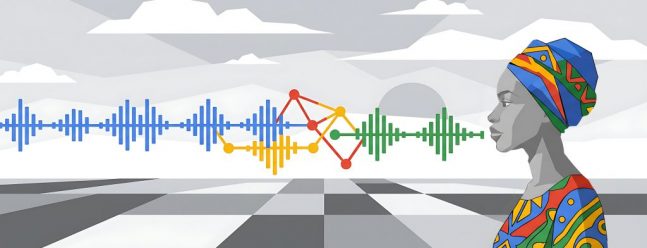
The expansion draws on research from Google’s Waxal language initiative, a project focused on improving how artificial intelligence understands and generates African languages. The word “Waxal”, which means “to speak” in Wolof, reflects the project’s broader mission of enabling technology to communicate more naturally with diverse communities.
Waxal combines machine learning research with collaboration from linguists and academic institutions across Africa. By building speech and text databases for underrepresented languages, the project helps AI systems better recognise pronunciation patterns, sentence structures, and cultural context.
These improvements are critical because many African languages have historically been underrepresented in digital datasets. Without sufficient training data, AI tools often struggle to interpret them accurately.
Google’s decision to introduce support for languages such as Yoruba, Hausa, Kiswahili, and Amharic reflects strong search activity across the continent and the growing demand for localised digital tools.
A Step Toward Inclusive AI in Africa
The rollout also highlights a broader shift in the global technology landscape. As artificial intelligence becomes more central to education, entrepreneurship, and communication, ensuring equal access to these tools is becoming increasingly important.
For Africa, where there’s more than 2,000 languages spoken, language accessibility plays a major role in determining who can benefit from digital innovation.
When AI tools support local languages, students can research in their native tongue, entrepreneurs can gather market insights more easily, and creators can explore new ways to share stories and ideas online.
The update also aligns with growing optimism about AI adoption across Africa. Recent research has shown that countries like Nigeria are among the most enthusiastic adopters of artificial intelligence tools, particularly in areas such as learning, productivity, and small business development.
By enabling users to interact with AI in languages that reflect their identity and culture, Google is taking a step toward ensuring that Africa’s participation in the global AI economy continues to grow.
Technology is evolving quickly, and Africa is increasingly part of that story.
For more updates on innovation, African tech breakthroughs, and the ideas shaping the continent’s digital future, follow RefinedNG and explore more stories.