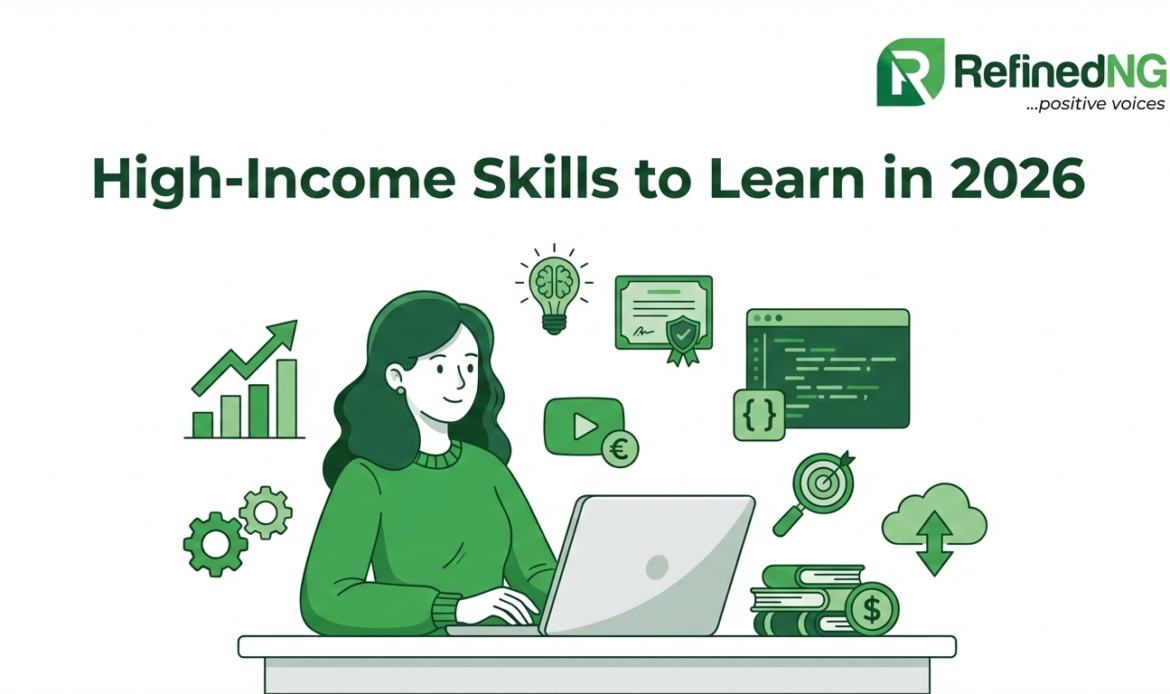
The job market has changed, and it did not send a memo. Degrees still matter, but they no longer guarantee relevance or income. Employers now prioritize people who can solve problems, adapt quickly, and add value without needing long adjustment periods. This shift explains why some professionals earn more with fewer certificates while others struggle despite strong academic backgrounds.
High-income skills are not magical shortcuts. They are abilities that businesses consistently pay for because they save time, reduce risk, or increase revenue. In 2026, these skills sit at the intersection of technology, communication, and decision-making. Understanding them early helps professionals avoid career stagnation and remain employable across industries.
With that context, it becomes easier to see why the following skills stand out.
1: AI Literacy (Not Coding. Actual Usage)
AI literacy now sits at the baseline of many roles. This does not mean everyone needs to become a machine learning engineer. It means professionals must understand how to use AI tools to work faster and think better. AI literacy involves knowing what tasks to automate, how to prompt tools clearly, and how to review AI outputs critically.
As companies integrate AI into workflows, they reward employees who know how to collaborate with these tools. Marketers use AI for research and content drafts. Analysts use it to summarize trends. Operations teams use it to optimize processes. Because AI multiplies productivity, people who use it well often earn more than those who avoid it.This shift leads directly to the next skill.
Read: How to Improve Your AI Prompts and Get Better Results
2: Data Thinking (Even If You Hate Numbers)
Data thinking is not about advanced mathematics. It is about understanding patterns, asking the right questions, and making decisions based on evidence. Every modern business generates data, from customer behavior to internal performance metrics. Someone needs to interpret that information correctly.
Professionals with data thinking skills can explain what the numbers mean and why they matter. They identify trends, spot problems early, and support decisions with logic. As organizations rely more on dashboards and reports, this skill becomes valuable across marketing, finance, HR, and product roles.
Once professionals can interpret data, they must also communicate it clearly.
3: Digital Communication and Personal Branding
Clear communication now directly affects income. Professionals who can explain ideas, document processes, and share insights online often attract better opportunities. Digital communication includes writing concise emails, creating clear presentations, and building a professional presence on platforms like LinkedIn.
Personal branding does not require self-promotion at every turn. It simply means people can understand what you do and why it matters. Employers and clients trust professionals who communicate with clarity and consistency. As remote work expands, strong communicators stand out more than ever.
Good communication also supports better product decisions.
#4: Product and UX Thinking
Product and user experience thinking focuses on how people interact with systems, services, and tools. This skill helps professionals design solutions that reduce confusion and friction. It applies far beyond tech roles.
Businesses value people who think from the user’s perspective. These professionals ask practical questions, test assumptions, and improve experiences. Because better experiences lead to higher retention and revenue, companies reward this mindset with higher pay and broader responsibility.
As systems grow more complex, protecting them also becomes critical.
5: Cybersecurity Awareness (Not Just for Hackers)
Cybersecurity awareness is no longer optional. While specialists handle technical defenses, many breaches start with human error. Professionals who understand basic security principles help organizations reduce risk.
This skill includes recognizing phishing attempts, protecting sensitive data, and following compliance guidelines. As data becomes more valuable, companies invest more in prevention. Employees who understand security practices often earn trust and advance faster within organizations.
Managing work efficiently also increases professional value.
6: Project and Systems Thinking
Project and systems thinking involves organizing work, coordinating people, and delivering results consistently. This skill separates task-doers from leaders. Professionals with this mindset understand how parts of a system interact and how delays or errors affect outcomes.
Organizations rely on these individuals to manage timelines, resources, and expectations. Because poor coordination costs money, companies pay well for people who keep projects on track and teams aligned.Adaptability ties all these skills together.
Read: Why You Should Try Cold Emailing This Year
7: Adaptability as a Skill (Yes, It Counts)
Adaptability means learning new tools, adjusting strategies, and staying useful as conditions change. It is not vague optimism. It is the ability to reskill intentionally and respond to new demands without panic.
Careers now span multiple roles and industries. Professionals who adapt quickly protect their earning potential over time. Employers notice this trait and often reward it with growth opportunities.
Skills Will Pay, Not Hype This Year
High-income skills do not require overnight transformation. They require deliberate learning and consistent application. No one needs all these skills at once. Choosing one or two and developing them steadily creates momentum.
In 2026, relevance determines income more than titles. Professionals who invest in practical skills position themselves for long-term stability.
RefinedNG continues to break down career trends, skill development, and opportunities shaping the future of work across the world.