
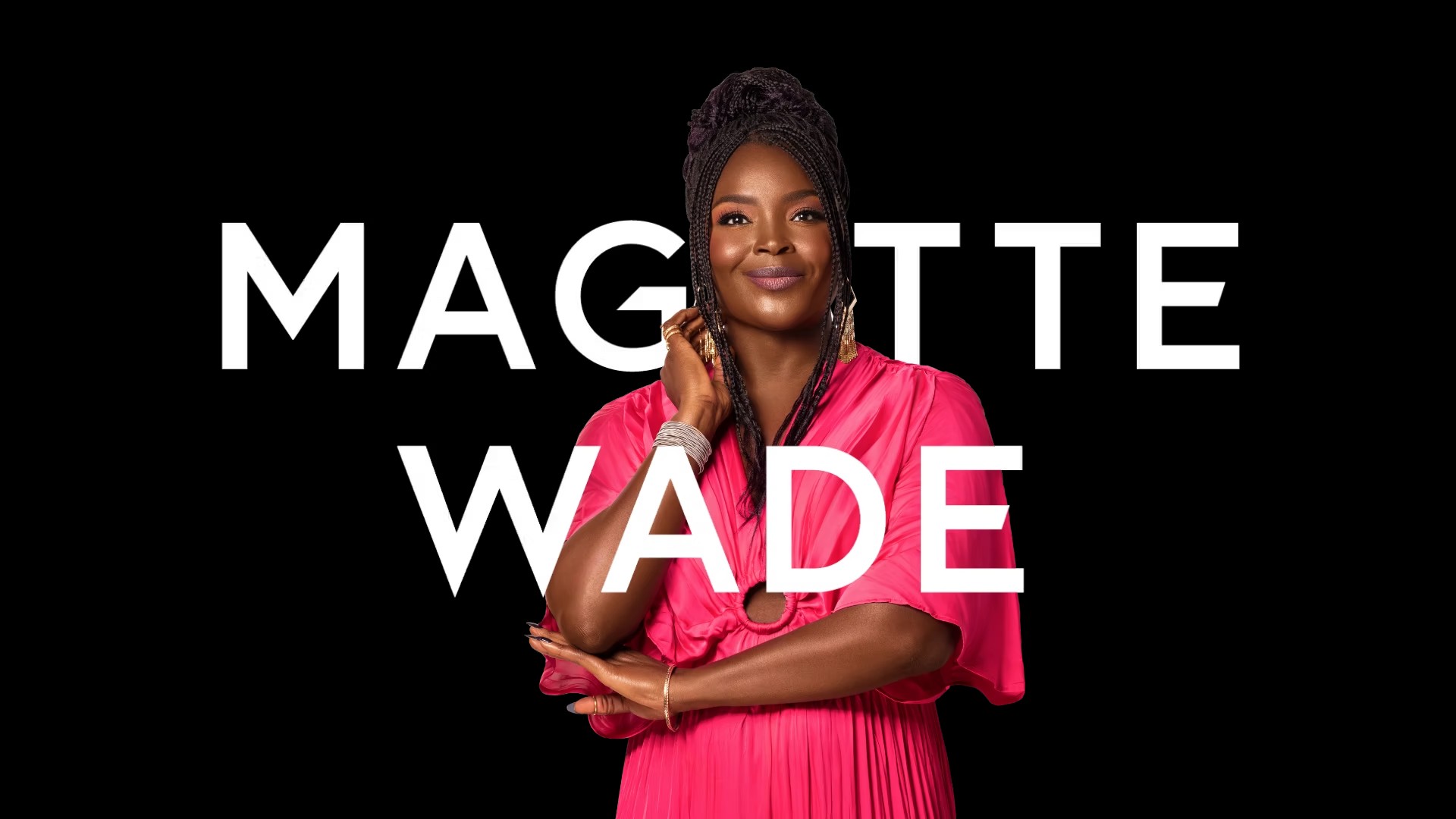
Magatte Wade doesn’t enter conversations quietly. She shows up with ideas, with questions, with a refusal to nod along just because a narrative has gone unchallenged for too long. Born in Senegal and raised across Europe, she grew up straddling worlds that spoke very differently about Africa’s place in the global economy. One side framed it as a continent to be helped. The other treated it as a market to be underestimated. She pushed back on both.
From an early age, Wade questioned why resource-rich African countries remained impoverished while other post-colonial regions built wealth through trade and industry. She wasn’t interested in sympathy or slogans. She believed dignity comes from making things, selling them, and competing openly. That belief would later shape her businesses, public talks, and criticism of systems she sees as hindering African entrepreneurship.
What sets Wade apart is how she pairs action with argument. She doesn’t just speak, but she builds. She doesn’t just critique; but she also creates alternatives. That instinct didn’t appear overnight. It was formed through movement, contrast, and lived experience, long before she ever stepped onto a global stage.
Read: Why Bohlale Mphahlele’s Invention Still Matters Today
Between Senegal and France, an Entrepreneur Was Formed
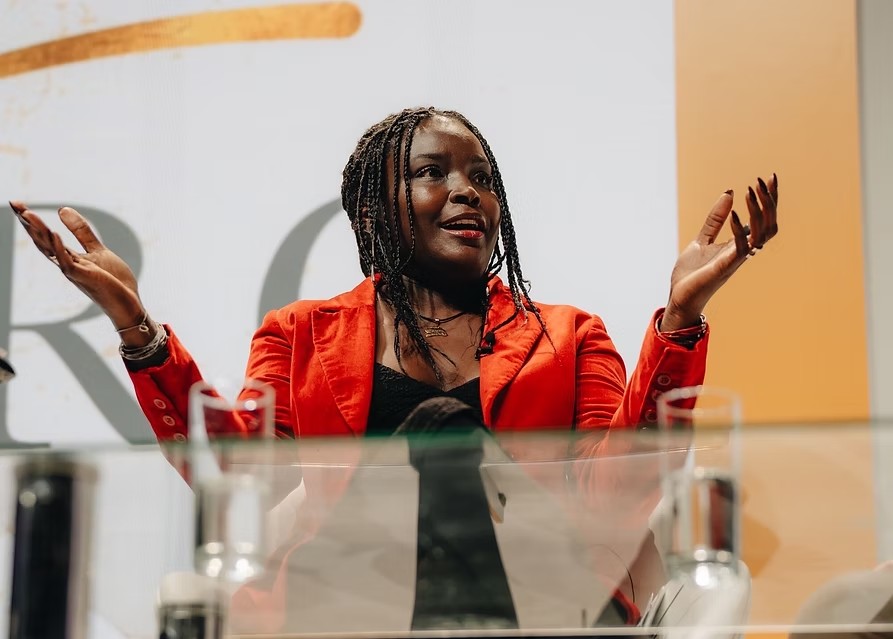
Magatte Wade’s worldview took shape in motion. She was born in Senegal, spent her early childhood within a traditional family setting, and then moved through Germany and France as her parents searched for opportunity. Each place taught her something different. Senegal grounded her in community and cultural memory. Europe introduced structure, systems, and sharp contrasts in how opportunity is distributed. Moving between these worlds forced independence on Magatte early and she adopted a daily skill, not a personality trait.
Language became one of her first tools. She grew fluent in Wolof, French, and English, not just as a communicator but as an observer. Each language carried its own assumptions about power, progress, and possibility. That awareness stayed with her as she navigated school and early work life in France, where rules were clear but creativity often felt boxed in.
When elite business schools later came calling, she deliberately declined them. Not out of rebellion, but conviction. She believed those programs trained managers to maintain systems, not entrepreneurs to question them. That choice reflected a growing skepticism toward inherited wisdom and rigid frameworks. By then, Wade wasn’t just learning how the world worked. She was already deciding which parts of it she intended to rebuild.
Selling Africa to the World Without Apology
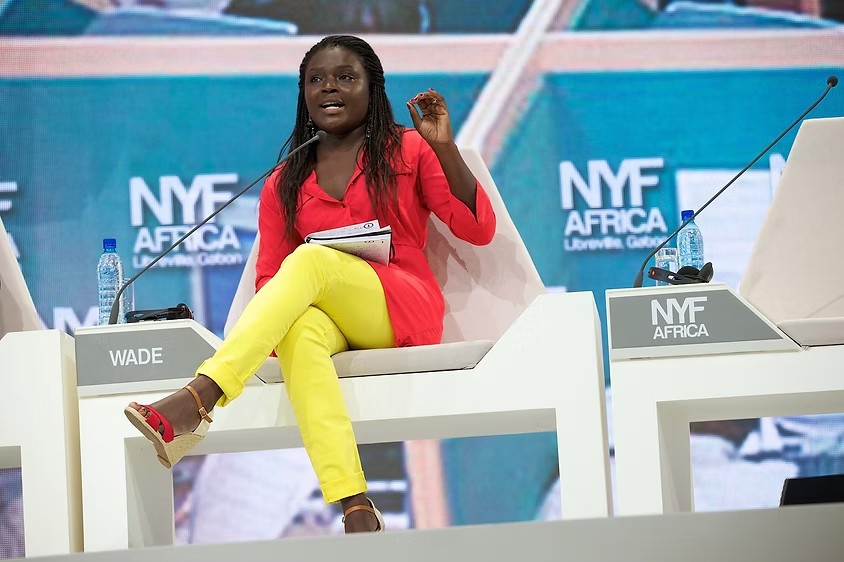
Magatte Wade did not set out to romanticize Africa. She set out to sell. In 2004, she founded Adina World Beat Beverages with a clear idea. Traditional African drinks like hibiscus tea belonged on global shelves, not as cultural artifacts, but as competitive consumer products. Adina entered the United States market with quality, organic ingredients, and strong branding. Within a few years, the company raised significant venture capital and generated real revenue. This was not a feel-good experiment. It was proof that African-rooted products could win in mainstream markets.
Still, success brought friction. As investors gained influence, the brand’s African identity slowly softened. The story shifted toward what Wade felt was safer and more familiar for Western audiences. That dilution mattered to her. She believed Africa did not need to be simplified or softened to be accepted. When alignment disappeared, she made a difficult choice and stepped away from the company she built.
That decision sharpened her philosophy. Instead of arguing endlessly about how Africa is misunderstood, she chose a different path. She calls it criticism by creating. Build the alternative. Show what is possible. That thinking carried her forward into her next chapter, where the ideas behind culture, commerce, and dignity would become even more intentional with the launch of Tiossan.
Beauty, Industry, and the Politics of Dignity
With Tiossan, Magatte Wade moved deeper into her core argument that dignity comes from production, not perception. She founded the luxury skincare brand to showcase indigenous Senegalese beauty knowledge without leaning on stereotypes or charity framing. Tiossan blended traditional recipes with modern chemistry, pairing African ingredients with global standards of formulation and design. The result was intentional. These were products meant to compete in premium markets, not sit on the margins as cultural novelties.
Her resistance to pity-based narratives became even clearer here. Wade often pushed back on the idea that African brands should sell suffering to gain sympathy. Instead, she focused on value, quality, and ownership. Behind the products was a supply chain rooted in Senegal, including hibiscus farming that created income opportunities for women. The impact was not loud, but it was real. Jobs were created. Skills were transferred. Value stayed closer to home.
As her businesses matured, Wade’s role began to shift. She was no longer only building companies. She was also shaping arguments about how Africa should engage the global economy, and on what terms.
The TED Talk That Sparked a Global Argument
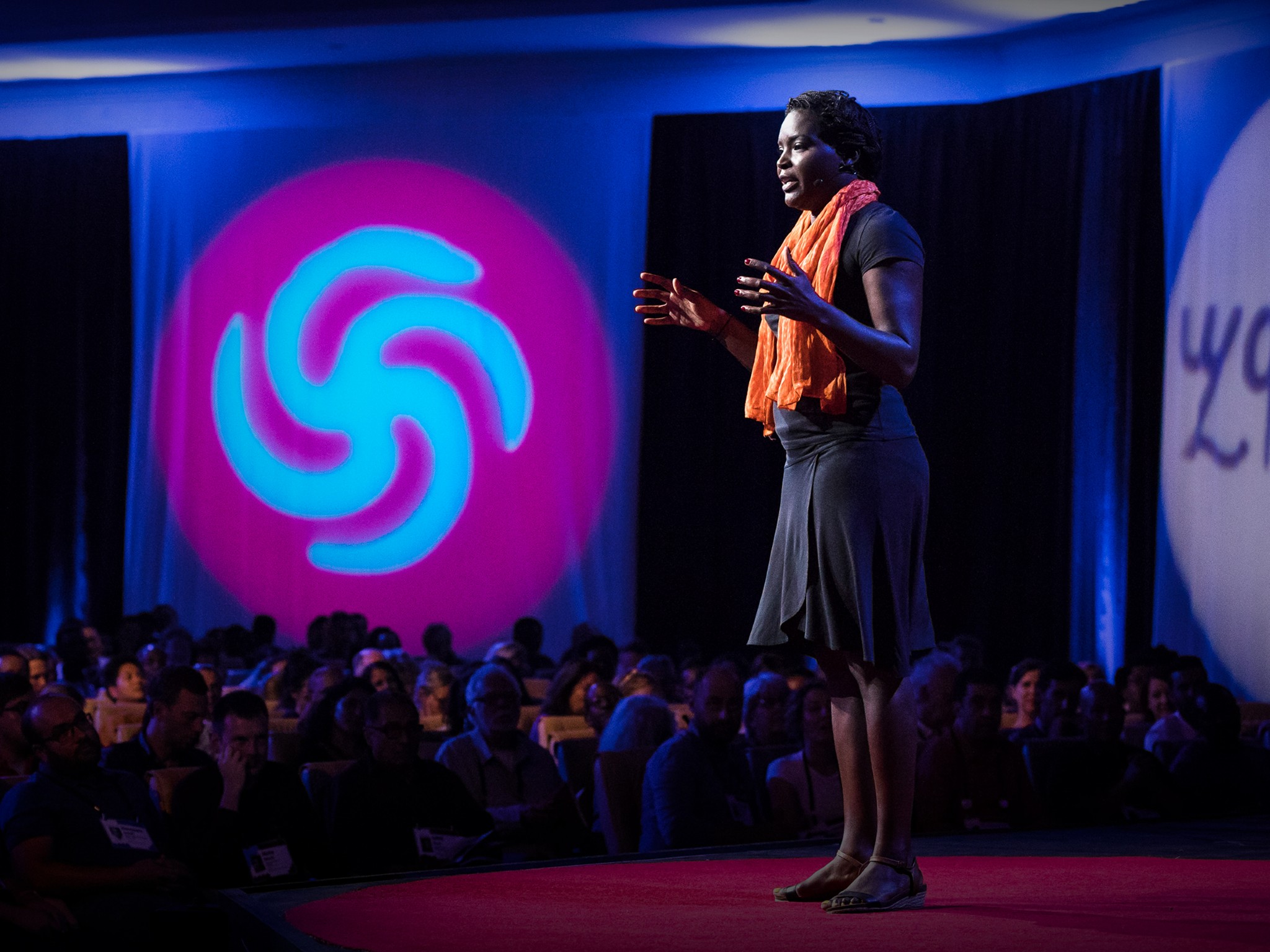
In 2017, Magatte Wade stepped onto the TED stage and reframed a conversation many thought they understood. She argued that excessive regulation in many African countries was not just inconvenient, but actively harmful. According to her, rigid systems push young people to leave in search of opportunity, not because they lack talent, but because enterprise is discouraged at home. The message landed sharply and traveled fast.
The talk resonated because it challenged comfortable explanations. Some praised her clarity and directness. Others criticized her for oversimplifying complex histories. Wade did not retreat from the tension. Instead, she leaned into public debate, appearing on major podcasts and global platforms to expand the conversation around economic freedom, governance, and responsibility. She also aligned with organizations that shared her views on entrepreneurship and policy reform.
What emerged was a new dimension of her work. Wade became a public intellectual as much as a founder. She asked questions that many avoided and accepted the discomfort that followed. That willingness to provoke remains central to why her voice still matters today.
Rwad: Meet Ejiro Enaohwo and Why She’s Building Ginger
Building Is Her Protest
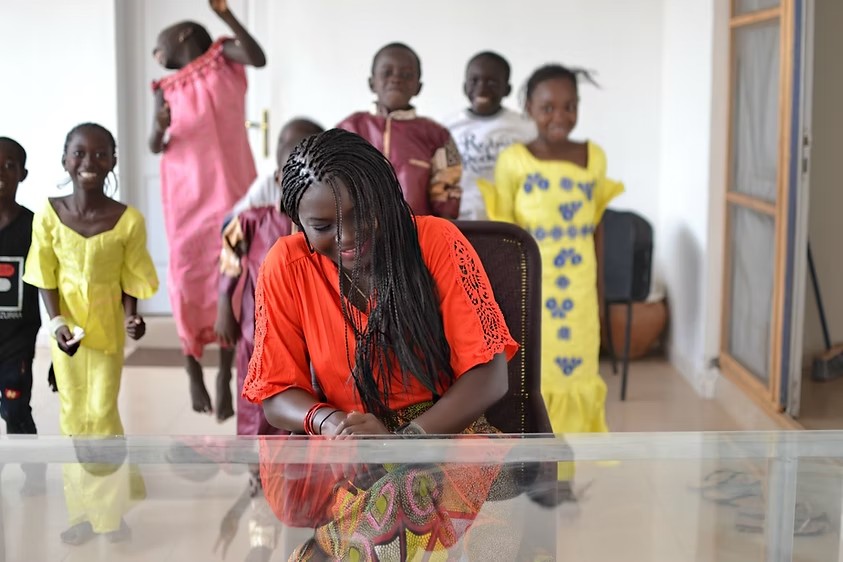
Magatte Wade resists simple framing. She does not position herself as a symbol of hope or a cautionary tale. She shows up as a builder. Her protest is not noise or nostalgia, but enterprise. She believes Africa’s future will not be donated or negotiated into existence, but constructed through production, alignment, and the courage to take risks. That belief has guided her businesses, her public arguments, and her refusal to soften ideas for comfort.
Her story still matters because the questions she raises remain unresolved. Aid versus agency. Regulation versus risk. Critique versus creation. These tensions continue to shape how Africa engages the global economy, and Wade insists on confronting them directly.
At RefinedNG, we spotlight Africans who build first and explain later. Read deeply. Question freely. Share stories of people creating value on their own terms, even when the ideas make us uncomfortable.