
In Nigeria, music doesn’t start in fancy studios. It starts in churches with faulty microphones, in bedrooms where the power goes out mid-recording, on campuses, street corners, Instagram freestyles, and long nights where nobody is watching yet. Long before the Grammys, world tours, and sold-out arenas, Nigerian artists learn one thing early: you either keep going or you disappear.
Rema, Tems, Asake, and Ayra Starr didn’t come from the same places, but their stories rhyme. Each one represents a different kind of hunger, a different approach to sound, and a shared refusal to stay small. Their journeys are not fairy tales. They are layered, sometimes uncomfortable, but deeply instructive, especially for a generation watching from home.
Rema: Turning Loss into a New Language
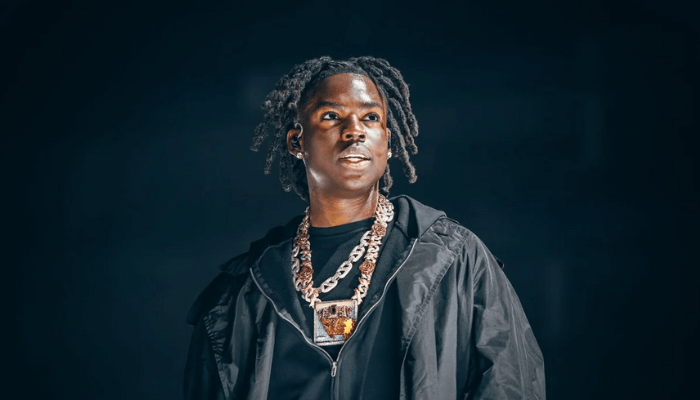
Rema’s story begins in Benin City, far from the global stages he now commands. As a teenager, he was already singing and rapping in school and church, but life forced him to grow fast. Losing his father and elder brother reshaped everything. Music stopped being a hobby and became a survival.
His turning point didn’t come from industry access; it came from visibility. A freestyle posted on Instagram caught D’Prince’s attention, and that moment changed the trajectory of his life. Within months, Rema moved to Lagos, signed to Jonzing World under Mavin Records, and released music that didn’t sound like anyone else’s.
Instead of fitting neatly into Afrobeats, Rema pushed boundaries. He blended trap, pop, Indian melodies, Middle Eastern influences, and raw emotion into what he later named Afrorave. Songs like “Dumebi” introduced him, but “Calm Down” announced him to the world. The record didn’t explode overnight, it grew slowly, crossing borders until it became one of the longest-running Afrobeats songs on the Billboard charts.
With albums like Rave & Roses and HEIS, Rema showed something rare: confidence without apology. HEIS leaned into Edo culture and darker themes, even when misunderstood. The Grammy nomination that followed wasn’t just recognition; it was validation that originality still wins.
Rema’s lesson is simple but powerful: you don’t need permission to create your own lane. Sometimes, the lane appears because you refused to copy anyone else.
Read: Adekunle Gold Makes History as First Headliner of the Renovated National Theatre
Tems: Building Quiet Power in a Loud World

Tems never chased attention. In fact, her rise feels almost accidental, except it wasn’t. Born in Lagos, raised partly in the UK, and later returning to Nigeria, Tems grew up navigating spaces where she didn’t quite fit in. Her voice was different. She was bullied for it. Instead of shrinking, she leaned into it.
She taught herself production using YouTube tutorials, left her digital marketing job, and released “Mr Rebel”, a song she produced herself. “Try Me” followed, and while it resonated locally, the world truly noticed when she appeared on Wizkid’s ”Essence”. That collaboration wasn’t just a hit; it shifted global perception of Nigerian music’s emotional range.
From there, Tems didn’t rush the moment. She released For Broken Ears and If Orange Was a Place, projects that felt introspective rather than commercial. Her career expanded globally; she sang with Drake, Future, Beyoncé, Rihanna, but her identity stayed intact. When her vocals were sampled on “Wait for U”, making her the first African female artist to debut at number one on the Billboard Hot 100, it felt earned, not engineered.
Her debut album Born in the Wild confirmed what many already knew: Tems isn’t here to follow trends. She builds worlds. With multiple Grammy wins and global tours, she represents a quieter form of power, one rooted in authenticity and self-trust.
Tems proves that you don’t have to shout to be heard. Sometimes, clarity is louder than noise.
Asake: Momentum, Discipline, and the Sound of the Streets
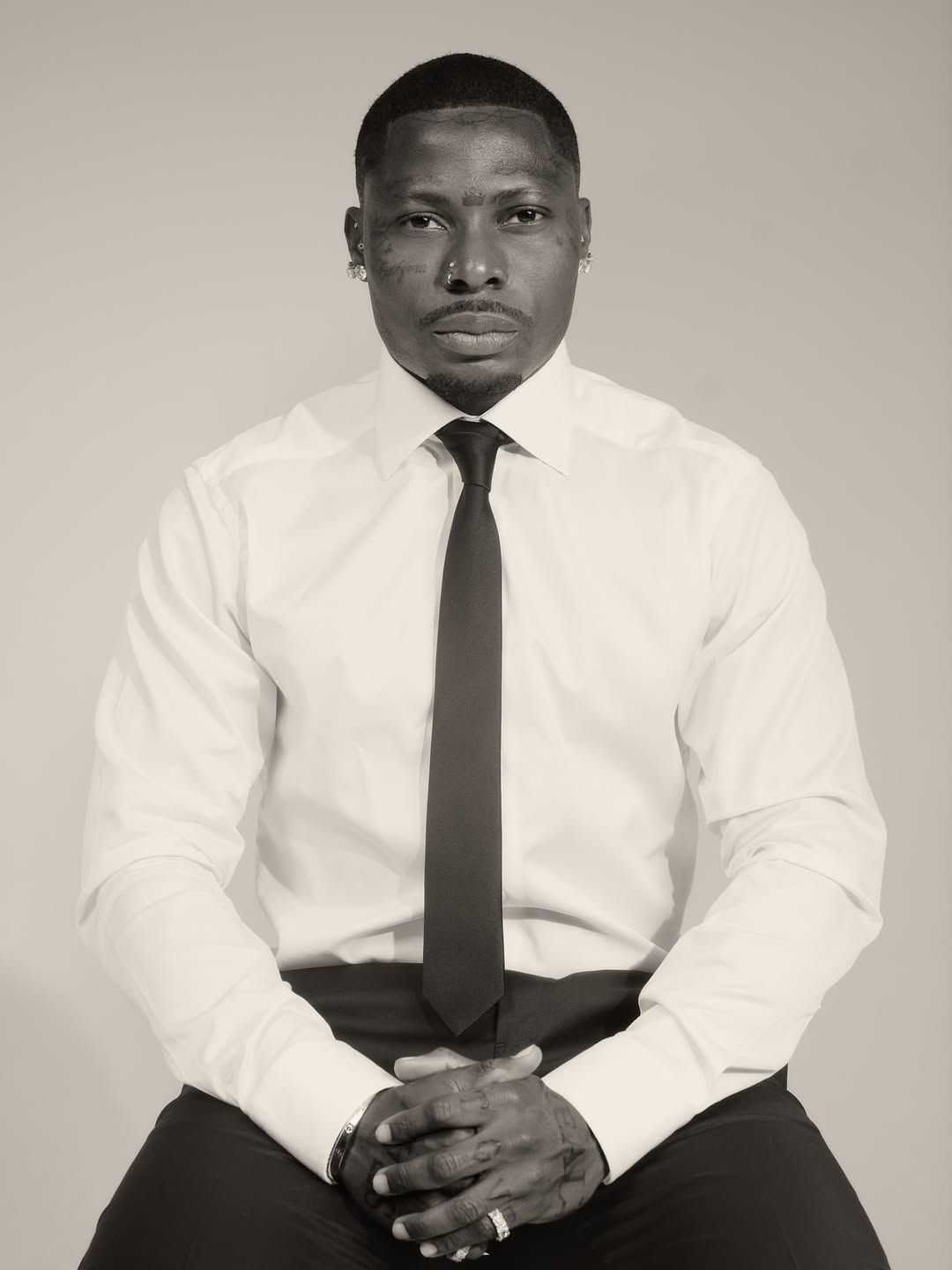
Asake’s rise looks fast, but it wasn’t random. Before the hits, there was theatre school at Obafemi Awolowo University. There was dance, performance discipline, and years of understanding how to command attention.
His breakthrough arrived in 2022, when Olamide signed him to YBNL. What followed was relentless. Songs like “Omo Ope” and “Sungba” didn’t just chart; they lived everywhere; parties, streets, campuses, clubs. His debut album, Mr. Money with the Vibe, broke streaming records and announced a new street-leaning sound that felt Lagos, unmistakably.
Asake didn’t slow down. Work of Art and Lungu Boy followed, each expanding his reach. Sold-out shows at the O2 Arena and Barclays Center placed him among Africa’s biggest live performers. His sound, a mix of Afrobeats, Fuji, amapiano, and street pop, feels communal. It moves people physically.
When Asake launched his independent label, Giran Republic, it wasn’t rebellion for attention. It was ownership. Asake’s story reminds us that consistency, when paired with vision, compounds quickly.
Ayra Starr: Growing in Public, Thriving Anyway

Ayra Starr’s journey is deeply modern. Raised between Benin Republic and Nigeria, bullied for her age and appearance, she turned to music as confidence. She posted covers online, modeled, and quietly dreamed of joining Mavin Records.
Then one Instagram post changed everything. Don Jazzy noticed her song “Damage”,and within months, she was recording professionally. Her debut EP and album 19 & Dangerous captured youth in motion, fearless, uncertain, but bold. “Bloody Samaritan” made history, while “Rush” took her global.
What makes Ayra’s story compelling is evolution. The Year I Turned 21 isn’t just an album; it’s a documentation of growth. She moved from teenage uncertainty to global stages like Glastonbury and Coldplay tours without losing her identity.
Ayra Starr represents becoming. Not perfection, but progress.
Read: ‘Behind The Scenes’ by Funke Akindele Hits ₦512M
What These Stories Say About Nigeria
These artists didn’t escape Nigeria. They carried it with them. Their music reflects resilience, belief, cultural pride, and the understanding that global success doesn’t require erasing your roots.
Their stories remind us that Nigerian talent is not accidental. It is cultivated in difficult environments and sharpened by belief.
Grass to grace isn’t magic. It’s work, timing, courage, and consistency. And if these four artists teach us anything, it’s that the world listens when Nigeria speaks confidently.
Want more stories that spotlight African excellence, culture, and growth, without noise or fluff? Follow and read RefinedNG for smart storytelling that informs, inspires, and personalities shaping the future.