
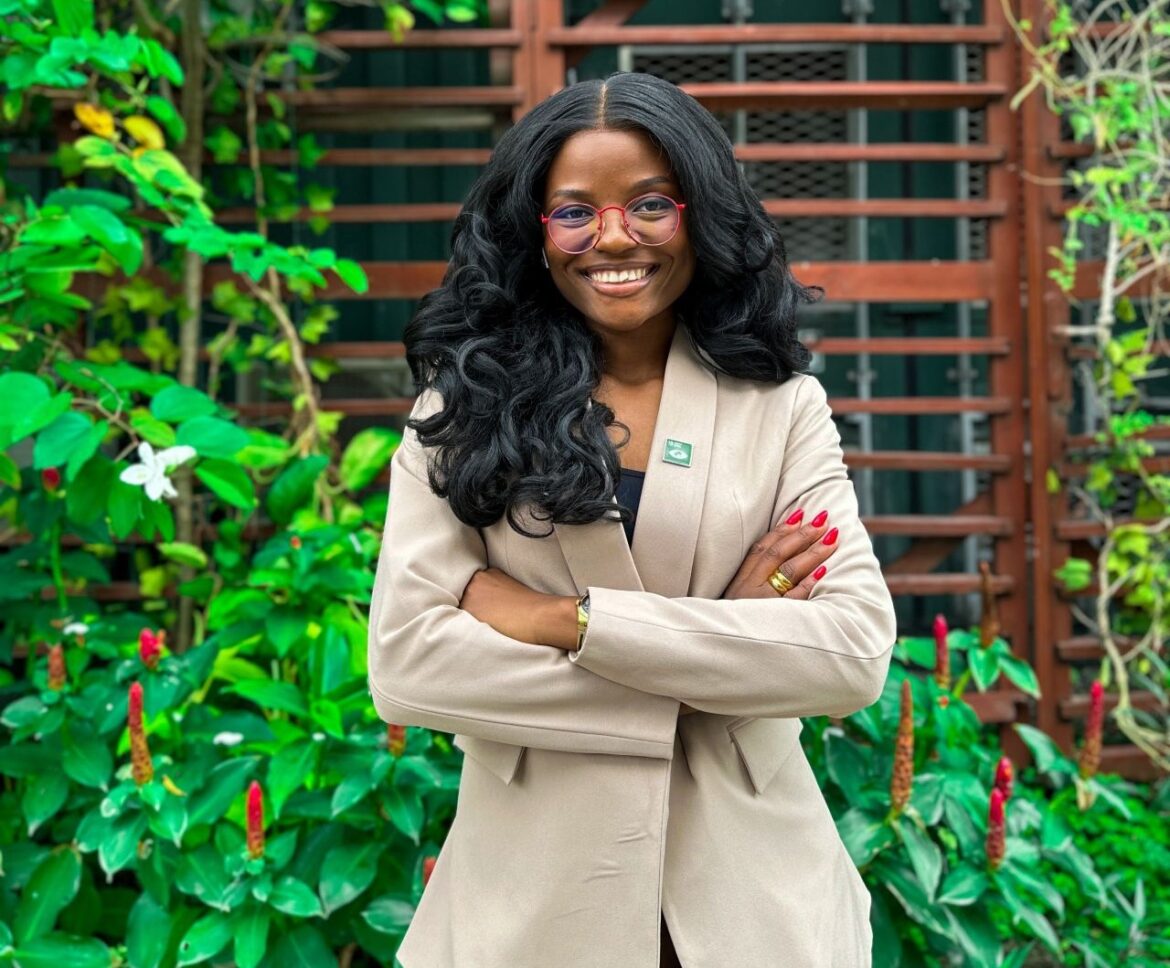
Before Temilade Salami became “Global Temi”—the name now echoed across climate education circles in Africa and beyond—she was just a curious Nigerian student searching for answers. She’d walked into bookstore after bookstore, looking for a children’s book that could explain climate change in a way that reflected her world. What she found instead were imported texts filled with snowstorms and polar bears—none of which spoke to the coastal erosion in Lagos, the plastic-clogged gutters after every rain, or the scorching harmattan heat she grew up with.
That moment sparked something deeper than disappointment. It lit a fire.
In a country where climate change is already felt but rarely taught, Temilade didn’t just ask why the education system had failed to prepare her generation—she decided to change it. Not with speeches or think pieces alone, but with books. With policies, networks, programs, and action.
Today, she leads EcoChampions, where she is building one of Africa’s largest youth-led environmental networks. She has authored climate books for children, advised global institutions like the UN and World Bank, and launched fellowships that equip young Africans to lead the fight for their own future.
Her mission is both radical and practical: Outlearn the crisis. And do it now.
The First Question No One Was Answering
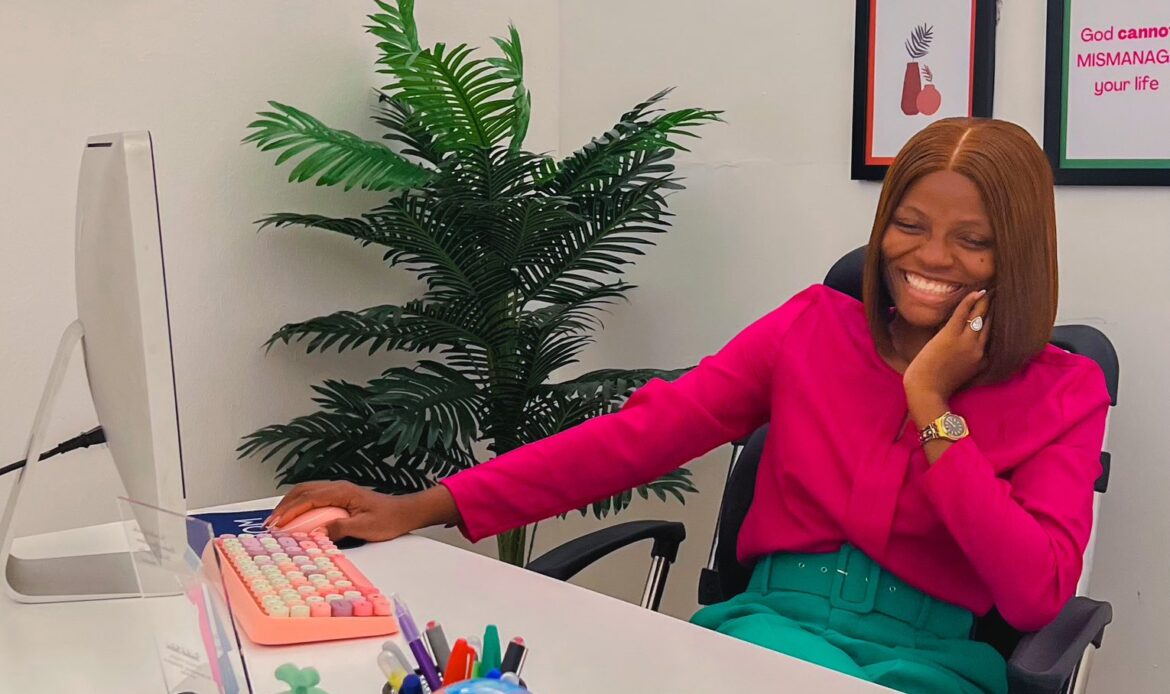
In her early university days as a Marine Science undergraduate at the University of Lagos, Temilade Salami found herself grappling with a disturbing disconnect: climate change was everywhere, but no one was really teaching it.
Lecturers skimmed over environmental issues. Policy documents felt far removed from the realities in her community. And when she looked around for entry points—accessible resources, culturally relevant literature, actual classroom material—she found silence.
So she started asking a simple question: If young people are the future, why are we not teaching them the future’s biggest threat?
The question wasn’t rhetorical. It became a driving force.
That curiosity led her to research, volunteer, and immerse herself in climate advocacy. It led to her first children’s book, filled with Black characters and local contexts, explaining climate science in simple terms. It led to classrooms and communities where she facilitated hands-on workshops on plastic waste, flooding, and food security. Eventually, she founded EcoChampions, an organization she built from the ground up to bridge the climate education gap in Africa.
What started with a missing textbook became a full-blown movement.
And at the center of it, was Temilade—teaching others to ask the questions that matter.
Read: Cyrus Kabiru Makes Art You Wear—From Nairobi’s Trash
EcoChampions: Not Just a Name, But a Mandate
If you imagine EcoChampions as just another NGO in the crowded climate space, think again. Temilade Salami didn’t build it to check a box. She built it to fill a void—and to flip a system.
Launched with little more than passion, a network of young volunteers, and a bold vision, EcoChampions has now reached 26 African countries with programs that do more than raise awareness—they build capacity. For Temilade, climate education isn’t about posters or lectures; it’s about access, equity, and empowerment.
Under her leadership, EcoChampions has trained over 200 young environmentalists, launched the Climate Education Leaders Fellowship, and developed illustrated children’s books that speak directly to African experiences. Not “global north” templates, not translated manuals—actual African stories, rooted in local realities.
What makes the model radical is its simplicity: educate young people early, equip them thoroughly, and empower them loudly. The result? A pipeline of young African leaders who aren’t waiting for the future—they’re shaping it now.
Temilade often says climate education is not “nice to have.” It’s survival. For her, EcoChampions isn’t just a brand. It’s a mandate.
The Books She Couldn’t Find, So She Wrote Them
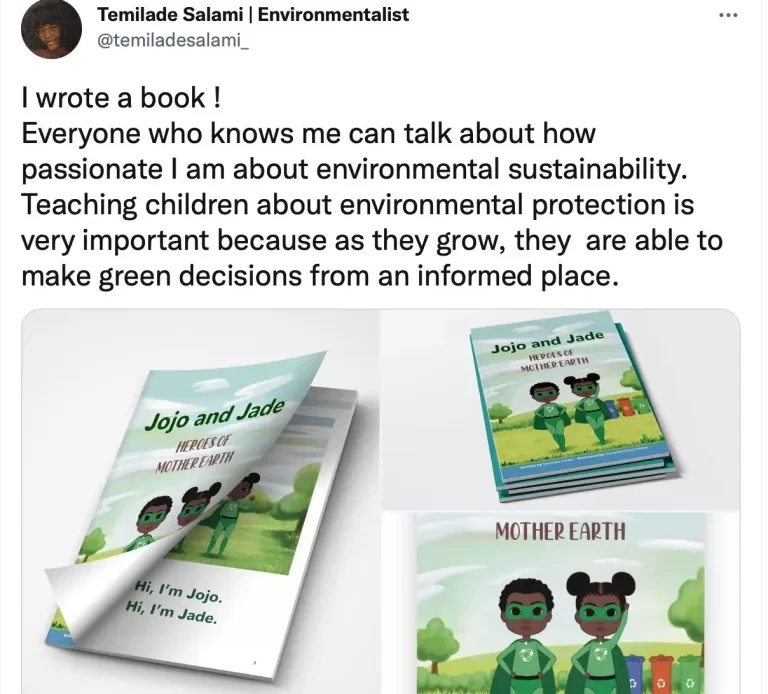
When Temilade Salami first went looking for books on climate change in Nigeria, she wasn’t expecting much. But even her low expectations fell short. What she found—if anything—was either inaccessible, irrelevant, or completely detached from the lived realities of African youth. The climate stories weren’t hers. The characters weren’t Black. The problems didn’t look like Lagos or Makoko. The solutions didn’t speak her language.
So she wrote the books herself.
Temilade’s children’s books on climate education are more than illustrated guides—they’re acts of cultural reclamation. Each page is a window into an Africa that is not just suffering climate consequences but actively shaping solutions. They feature Black children learning, leading, and making sustainable choices in communities that look like theirs. They make climate science local, and activism accessible.
In doing so, she’s bridging an enormous gap that often goes unnoticed: the one between knowledge and identity. It’s not enough for African children to learn about the environment. They need to see themselves in it.
By creating content that is both scientifically accurate and culturally relevant, Temilade is ensuring the next generation doesn’t grow up climate-aware yet culturally invisible. Her books don’t just educate—they validate.
The Fellowship Creating the Next 1,000 Climate Leaders
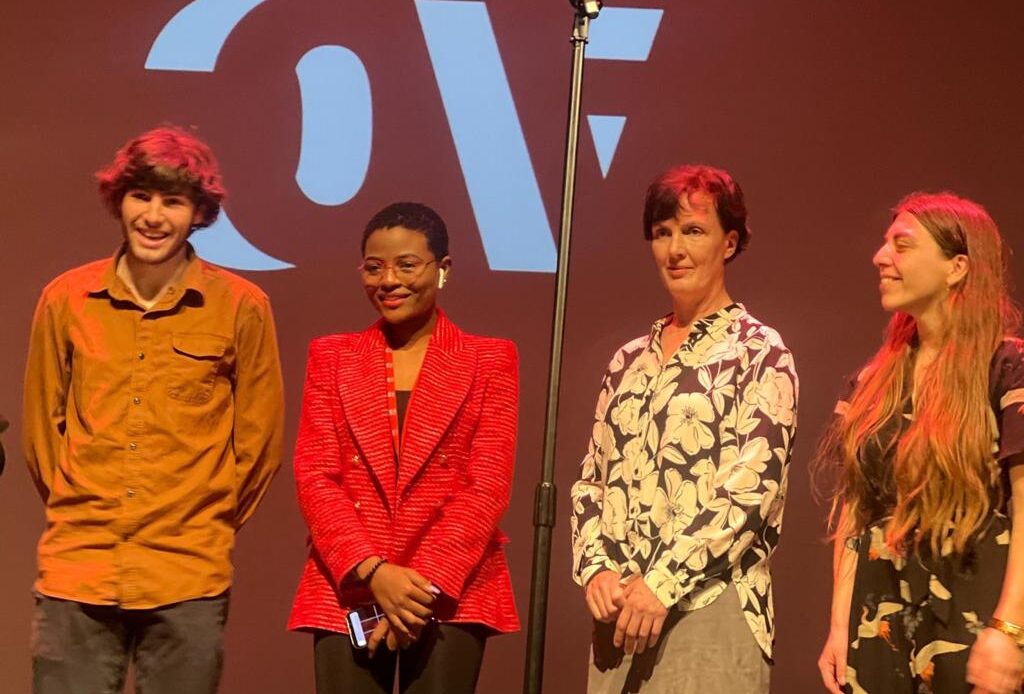
Temilade Salami doesn’t just advocate for climate education—she builds the infrastructure for it. In 2023, she launched the Climate Education Leaders Fellowship, a transformative program designed to prepare young Africans to lead, teach, and inspire within their communities.
This isn’t your average workshop or youth summit. The fellowship weaves together policy understanding, climate science, storytelling, and local engagement. It invites young leaders from across Africa to reimagine how climate education can be embedded in formal classrooms, informal learning spaces, and even in daily life.
Why? Because Temilade knows that change doesn’t come from just having the information—it comes from being empowered to act on it.
Through mentorship, hands-on projects, and access to expert networks, the fellowship creates a ripple effect. A trained fellow doesn’t just gain knowledge—they become a resource, a multiplier, a hub for change in their region. They go on to educate others, build initiatives, and push for climate policies at local and national levels.
By investing in young people this way, Temilade is shifting climate action from a niche concern to a civic responsibility. She’s creating a continent-wide movement, one young leader at a time.
The Climate Books She Wrote Because No One Else Would
When Temilade Salami walked into a Lagos bookstore in search of children’s books on climate change, she found exactly one. It wasn’t written by an African, and its imagery didn’t resemble anything close to the environmental realities faced by Nigerian communities. That moment wasn’t just disheartening — it was clarifying.
Rather than wait for the global publishing industry to catch up, Temilade did what true changemakers do: she created what was missing.
She authored two beautifully illustrated climate education books for children, written specifically for African readers. Her characters are Black. Their cities look like Lagos. Their challenges mirror the ones faced in Makoko, Kano, or Port Harcourt. But more than that, these books introduce climate change not as an abstract science lesson, but as a living, local reality that can be shaped — for better or worse — by informed action.
The goal? To plant seeds of climate consciousness early, and to affirm African children as protagonists, not bystanders, in the environmental story of their generation.
It’s a vision rooted not in despair but in empowerment. As Temilade often says, “If children are informed early, they will choose wisely as they grow.”
Read: Meet Damola Adamolekun, The Man Who Saved Red Lobster
The Legacy She’s Growing, One Young Climate Leader at a Time
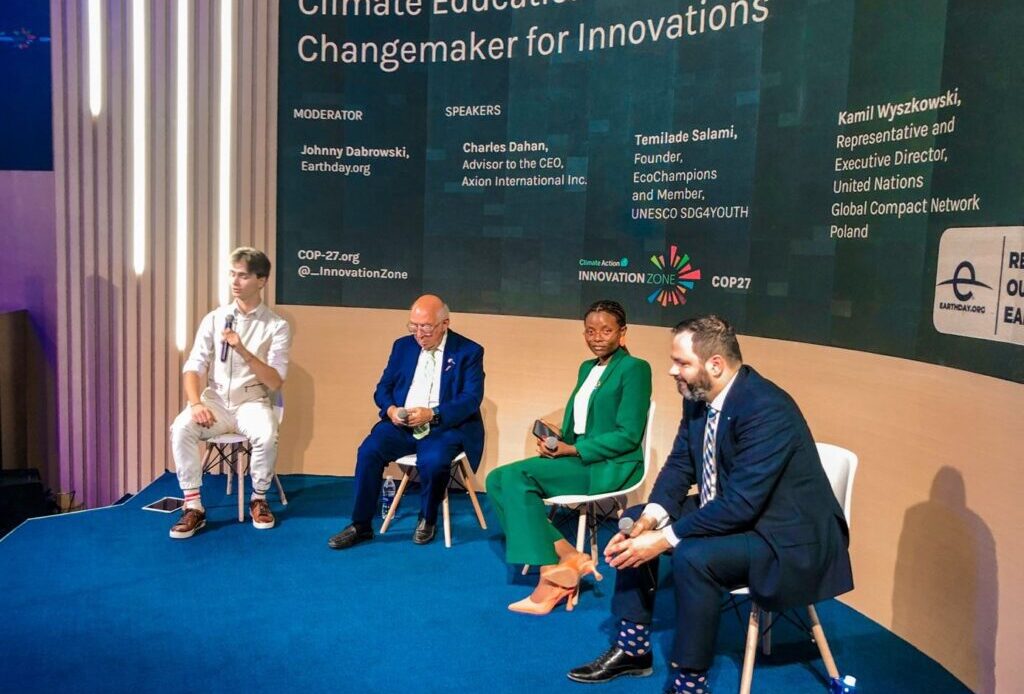
Temilade Salami’s work is not loud. It’s steady. It’s strategic. And most importantly, it’s deeply rooted.
While global summits and recognitions — from the World Bank to UNESCO — may amplify her voice, Temilade remains grounded in a simple truth: if African children don’t see themselves in climate narratives, they won’t see themselves in climate solutions.
That’s why she authored two illustrated environmental books. Not for accolades, but to ensure that the next generation of Nigerian kids sees Black faces, hears familiar names, and reads about real-life environmental challenges from their own communities. It’s why she leads climate education policy discussions, not just workshops. And it’s why she fiercely advocates for the integration of climate education into national curricula — so future leaders don’t have to stumble into knowledge, they’re equipped with it from the start.
Temilade Salami isn’t trying to be the face of a movement. She’s trying to multiply the number of faces leading it.
Her legacy isn’t in the headlines. It’s in the children learning to question, the teachers trained to teach climate with clarity, the youth leaders building climate clubs in underserved schools. It’s in the belief that education isn’t just preparation for life — it’s a tool to save it.
And if we’re lucky, decades from now, someone reading her book under a tree in Ibadan or Dakar or Nairobi may not know her name, but they’ll be standing on her shoulders — ready to lead, just like she did.