
You finally get the raise. The alert drops. Your bank balance is fatter than it’s ever been. For a moment, it feels like the start of a new chapter—until, somehow, by the end of the month, you’re broke again. Same story. Different paycheck. It’s easy to believe that earning more will solve your money problems. After all, if you just made a little more, things would finally “balance out,” right? But here’s the truth: more money doesn’t fix poor money habits—it exposes them.
Across pay grades and professions, one pattern keeps repeating itself: people earn more… and still feel stuck. Not because they don’t work hard. Not because they aren’t trying. But because money is only part of the story. The rest? That comes down to habits, discipline, and how we relate to what we earn.
This article isn’t about budgeting apps or quick financial hacks. It’s about unpacking the myth that a bigger salary is all you need to level up. Because sometimes, the real problem isn’t your paycheck—it’s your pattern.
Read: Financial First Aid: What to Do When Unexpected Bills Hit
The Paycheck Illusion – Why More Money Doesn’t Always Mean More Freedom
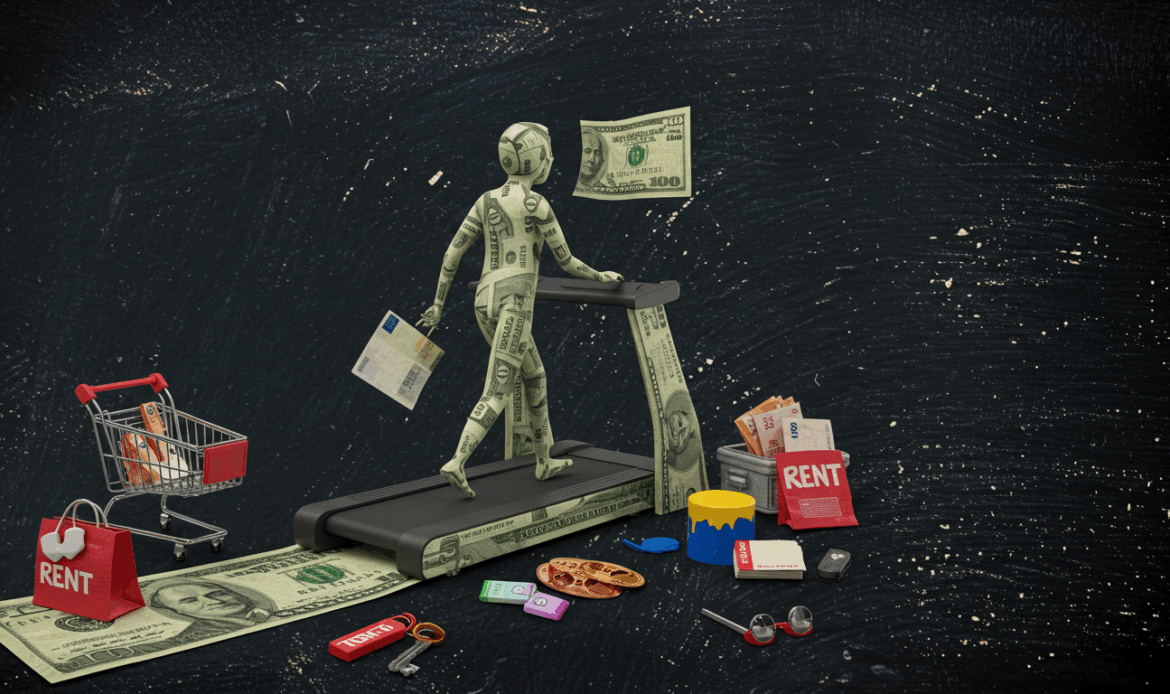
There’s a lie we often tell ourselves: “Once I earn more, I’ll be fine.” It sounds logical. More money should mean fewer problems—until you realize it rarely works out that way.
What usually happens is this: you get a raise, and along with it, your lifestyle quietly upgrades. You move into a pricier apartment, upgrade your phone, buy nicer clothes, and eat out more often. It’s not even intentional—it just happens. This is called lifestyle inflation, and it’s one of the biggest traps that comes with earning more.
Suddenly, the ₦500k salary that felt like a dream is just enough to survive… again. Your expenses stretch to match your income, and before long, you’re right back in the same cycle. Bigger paycheck, same financial pressure. That’s the illusion—thinking that more money automatically leads to more freedom.
But money without strategy doesn’t build wealth. It builds new expenses.
The hard truth is this: your financial habits determine your freedom, not your income level. If you don’t learn to manage ₦100k, you won’t magically manage ₦1 million. You’ll just spend more—faster.
So instead of asking, “How can I earn more?”—maybe the better question is, “What am I doing with what I already earn?”
Because real freedom starts with control, not just cash.
The Habit Hole – Common Money Behaviours That Sabotage Growth
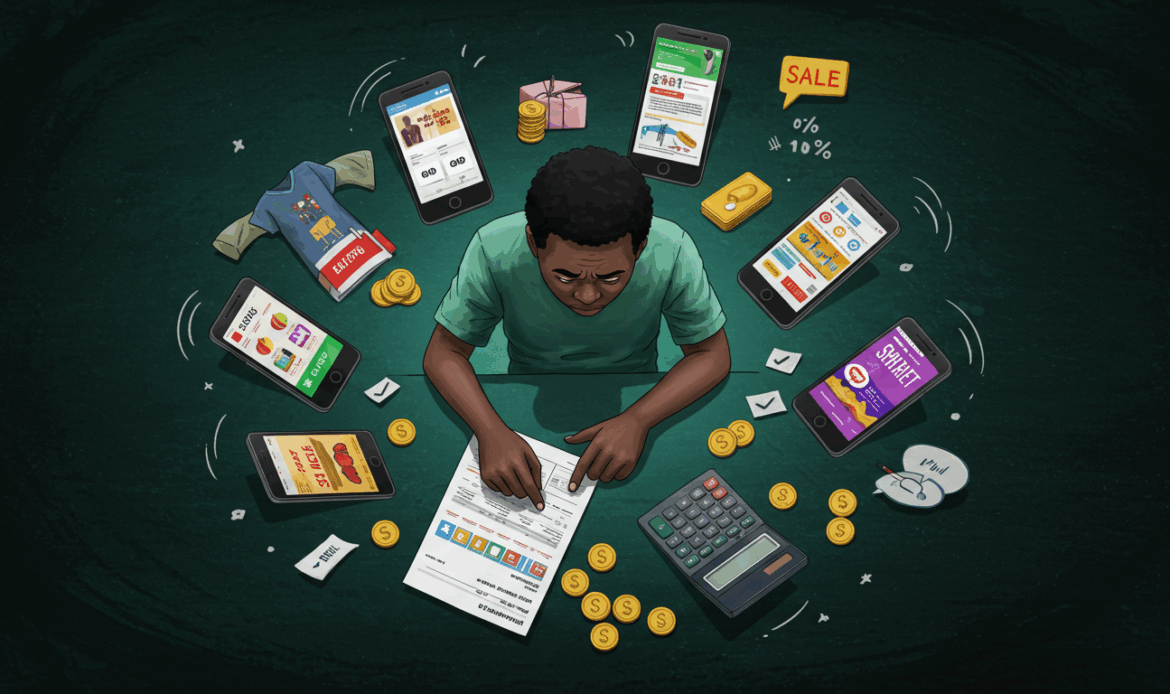
Most people don’t need a financial miracle—they need a mirror. Because the truth is, it’s rarely the income that keeps people broke. It’s the habits that tag along with it.
You know the drill. You promise to save at the start of the month… but first, let me “treat myself” for all that hard work. You set a budget—but one impulse buy here, another unplanned outing there, and suddenly you’re dipping into next month’s funds. Or worse, you’re borrowing before the 15th.
These aren’t income-level problems. These are money habits—and they grow with you. If you overspend when you earn ₦120k, you’ll likely do the same at ₦400k, only with more expensive mistakes.
One of the most overlooked financial truths is this: bad habits don’t go away with more money. They scale.
A freelancer who never sets money aside for tax or emergencies will still feel broke no matter how well-paying their gigs get. A salary earner who doesn’t track spending will keep wondering where their money went—no matter how often the salary increases. A creator who earns in dollars but spends emotionally won’t build wealth—they’ll just burn through it faster.
We tend to focus on numbers, but the real danger lies in what we do repeatedly without thinking. That’s what defines our financial reality—not just what we earn.
If you’re not in control of your spending, your savings, or your mindset, then no amount of income will ever feel like enough. Until the pattern changes, the outcome stays the same.
Read: How To Monetize What You Already Know
Mind Over Money – Why Financial Discipline Is a Skill, Not a Salary Bracket

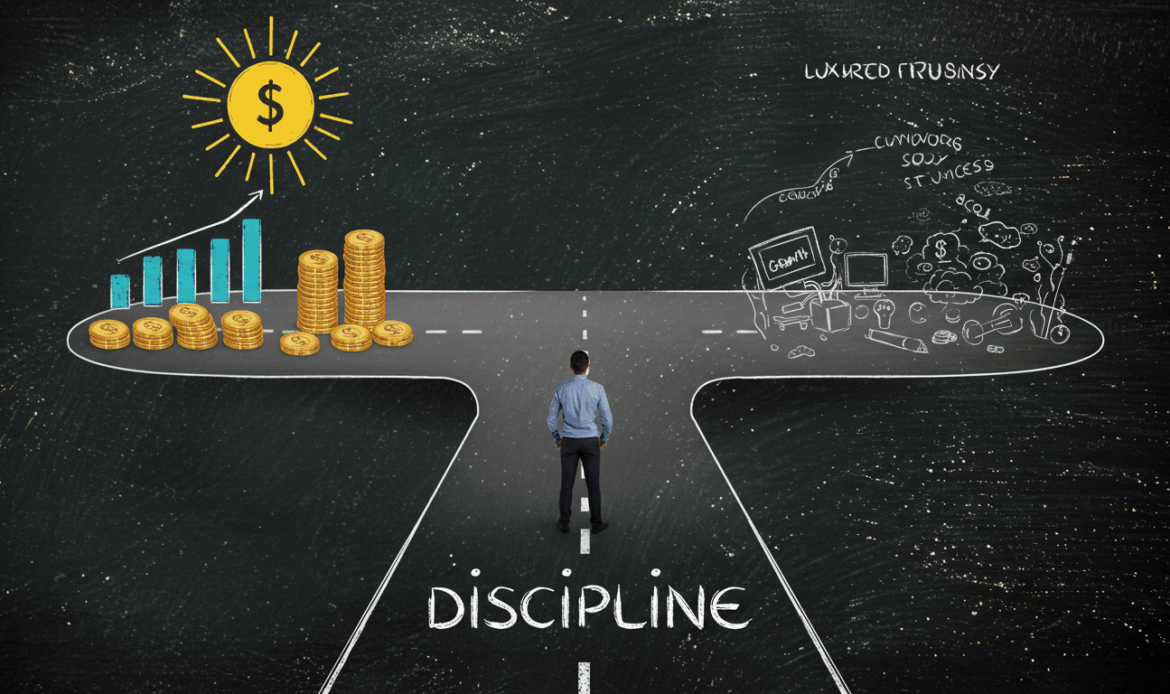
There’s a dangerous assumption many people carry: “Once I hit a certain income level, I’ll naturally become better with money.” But here’s the hard truth—discipline doesn’t arrive with a bigger paycheck. It’s built, not earned.
Financial freedom isn’t about earning ₦1 million a month. It’s about what you do with ₦100,000—how you allocate it, how you plan around it, and how you grow it over time. When you train yourself to manage what you have intentionally, no matter how small, you build the financial muscles that will carry you when you earn more.
Discipline looks like knowing the difference between a need and a want—even when you can afford both. It’s saying no to pressure buys, even when your bank account says yes. It’s choosing delayed gratification because your future goals matter more than momentary indulgence.
And it’s not easy. In a world full of curated lifestyles, social pressure, and endless spending temptations, it takes real focus to stay grounded. But that focus—when developed early—becomes the very thing that separates long-term peace from short-term enjoyment.
You don’t need to wait until you’re rich to build wealth. You don’t need to earn more to become more responsible. The habits you build today will shape how well you handle what’s coming tomorrow.
Money doesn’t change who you are. It amplifies it. So if you want better financial outcomes, don’t just hope for more—start practicing better.
Don’t Wait for More to Do Better
It’s easy to blame your money problems on your salary. It’s even easier to daydream about how life would magically fall into place if you just earned a little more. But the truth is, earning more won’t save you from bad money habits—it’ll only magnify them.
If you don’t build control, clarity, and intention with what you are earning now, more money won’t fix the problem. In fact, it may just raise the stakes.
Financial discipline isn’t a destination reserved for high-income earners. It’s a skill you develop with every purchase you delay, every budget you track, and every savings goal you commit to. And like any skill, it grows stronger the more you practice it.
So instead of waiting for your “big break” to finally get your finances together, start with the paycheck you already have. Start with the habits you already know you need to change. Start with the awareness that freedom doesn’t come from the size of your salary—it comes from what you do with it.
You don’t have to be earning more to take control. You just have to decide to do better—now.