Most people post content the same way they cook noodles; fast, random, and based on vibes. One day it’s a trending sound, the next it’s a motivational quote, then silence for three weeks. Sound familiar? It’s not that you’re lazy; it’s just that without a plan, creativity burns out quickly.
Every expert, from digital strategists to brand storytellers, will tell you the same thing: consistency doesn’t come from inspiration; it comes from structure. The most engaging brands you admire aren’t posting by luck. They’re following a roadmap. They know what they’re saying, who they’re saying it to, and when.
A working content plan isn’t about spreadsheets or stiff schedules. It’s about direction; giving your creativity a lane to run in. This article breaks down how to build one that actually works, no marketing degree required.
1. Start with the “Why” — Goals Before Graphics
Before you start designing your next carousel or shooting that TikTok, pause and ask: Why am I posting this? Purpose comes before posting. When you skip that step, your content might look good but feel empty.
Take, for example, a small skincare brand that used to post random product photos every week. Engagement was flat, and sales barely moved. Then they redefined their “why”: to educate young women on how to build a healthy skincare routine. Suddenly, every post had a mission. Tutorials, myth-busting reels, and real customer stories followed. The difference? Their audience finally connected with them.
Every post should serve a goal: to educate, entertain, convert, or connect. When you define your “why,” your ideas stop fighting for attention and start working together. Once your purpose is clear, everything else — tone, visuals, and timing — naturally falls into place.
Read: How You Can Spark Better Ideas with Your Prompts
2. Know Who You’re Talking To

You can’t create great content for everyone. The trick is knowing exactly who you’re speaking to and what keeps them scrolling. Think of your audience as a person, not a crowd. What do they care about? What frustrates them? Or what kind of content makes them stop mid-scroll and say, “This is so me”?
That’s the heart of audience profiling — simple awareness. Experts often create content personas to make this easier: imaginary profiles that represent your ideal followers. Maybe it’s “Tolu the young professional” who wants quick career tips, or “Ada the mompreneur” who loves real-life stories.
Here’s the expert tip: your audience is already telling you what they like. Check your comments, polls, or post analytics. Listen closely and you’ll find patterns. Those patterns are the blueprint for what you should create next.
3. Choose Your Platforms Wisely
You don’t have to be everywhere to be effective. Not every business belongs on every app. Experts often say the smartest brands focus on where their audience actually spends time, not where trends are loudest. If your people are on LinkedIn, posting daily on TikTok won’t help much.
Start by asking where your audience learns, laughs, or shops online. Once you know that, you can shape your content around it. A photographer might thrive on Instagram, while a consultant could build authority through LinkedIn articles or newsletters.
This clarity doesn’t just save time. It also shapes your content style — whether you’re creating videos, writing blogs, or sending email stories that truly reach the right eyes.
4. Build Your Content Plan Around Pillars, Not Panic
A good content plan is built on pillars, not panic posts. Content pillars are the core themes that hold your strategy together. They act like your creative foundation, keeping everything consistent and purposeful. Most experts recommend having three to five pillars that reflect your brand’s main focus areas.
For instance, a fitness coach might structure their content around “Nutrition,” “Mindset,” “Workout Tips,” and “Community.” With these themes in place, every post has direction. You’re no longer waking up wondering what to post — you’re simply choosing which pillar to draw from.
Pillars make your content feel cohesive and recognizable. Once you have them defined, scheduling and brainstorming become smoother because you know exactly what your brand stands for and how to express it every week.
5. Create a Simple Calendar
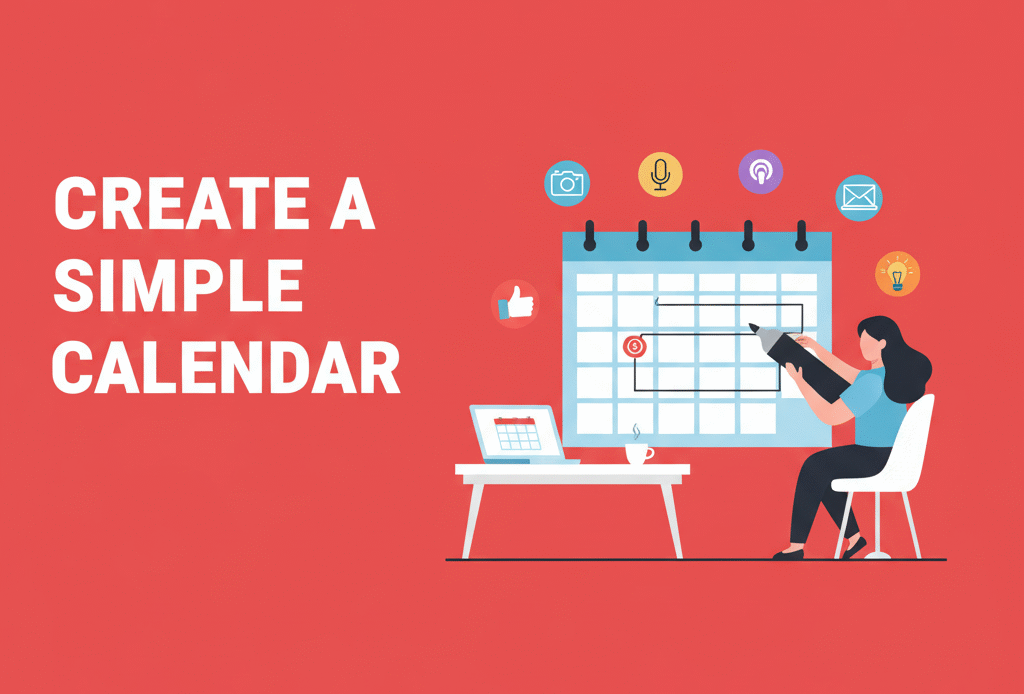
Once your content pillars are set, the next step is to give them structure with a simple calendar. This isn’t about creating a rigid schedule that kills spontaneity. It’s about finding a rhythm that keeps you consistent without feeling overwhelmed. You can plan weekly or monthly — whatever fits your pace.
Some creators use Google Sheets, Notion, or even sticky notes on their wall. The goal is to see your ideas laid out clearly so you’re not scrambling at the last minute. Start small: plan two posts per week and build from there.
Read: Marketing Tips For Content Creators
6. Mix It Up — Repurpose and Refresh
You don’t need to create something new every time you post. Smart creators know how to repurpose one idea across different platforms. A blog post can become an Instagram carousel, a short video, and even a quick email tip. The story stays the same, but the format changes to fit each audience.
This approach saves time and multiplies your reach without burning you out. Experts call it working smarter, not harder. By refreshing old content with new angles or visuals, you keep ideas alive and relevant. Repurposing isn’t repetition — it’s refinement. It helps you stay visible, consistent, and creative without constantly starting from scratch.
Experts often say, “Consistency beats frequency every time.” It’s better to post twice a week reliably than to flood your feed for one week and disappear the next. A simple, flexible calendar keeps your creativity organized and your audience engaged.
7. Track What Works
A content plan only improves when you track what’s actually working. You don’t need to drown in spreadsheets or analytics dashboards. Focus on the basics: reach, engagement, and conversion. Are people seeing your posts? Are they interacting? And are they taking action afterward?
Experts suggest reviewing your performance monthly. Look for patterns — maybe your audience prefers carousels over long captions, or videos perform better on certain days. Use that insight to tweak your approach instead of guessing. Tracking helps you create with clarity. It’s how your plan evolves from routine posting to intentional storytelling that drives real results.
The Best Content Plan Is the One You’ll Actually Use
The goal isn’t to design a flawless spreadsheet. It’s to build a system that keeps you consistent and creative. Your content plan should guide you, not cage you. Even the most polished creators started messy — but they stayed consistent long enough to find their rhythm. That’s what turns random posting into real progress.
Keep your content plan simple, flexible, and true to your goals. Adjust it as you grow. What matters most is that you keep showing up with intention. A plan gives your creativity direction, and that’s where growth begins.
Want more practical guides on digital growth and storytelling? Visit RefinedNG for expert insights tailored for African creatives and brands. We’re your number one stop for all things positive.