
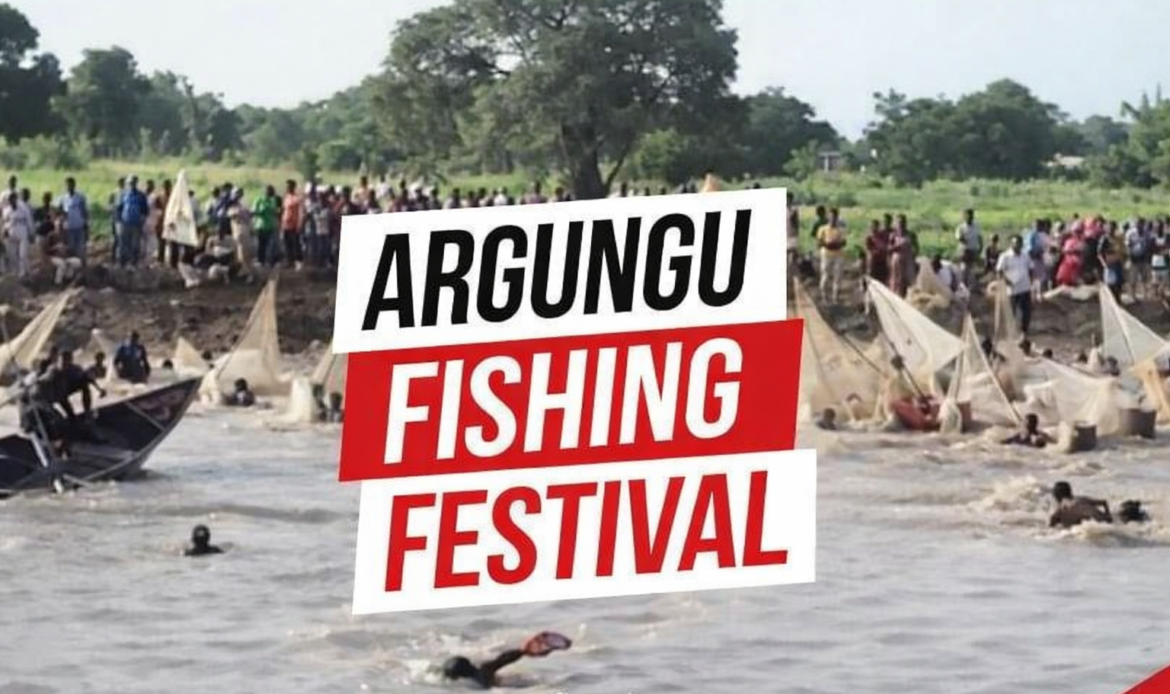
The 2026 Argungu International Fishing and Cultural Festival is underway. It begins today, February 11 and runs through February 14 in Kebbi State. This year’s activities opened with a motor rally that flagged off from Abuja and moved across northern states before arriving in Argungu, drawing attention long before the first fisherman stepped into the water.
Most people know Argungu for one image: thousands of men rushing into a river at the sound of a horn, each determined to lift the biggest fish above his head. But the festival carries layers of history, politics, culture, and local tradition that rarely make the headlines. Beyond the splash and spectacle, some stories explain why this event has lasted for decades and why it still commands attention every February.
Here are a few facts many Nigerians do not know.
1. The Festival Started as a Peace Agreement
The Argungu Fishing Festival began in 1934 as diplomacy. Leaders of the Sokoto Caliphate and the Kebbi Kingdom used it to mark the end of years of conflict between their territories. Instead of signing documents behind closed doors, they chose a public celebration that brought their people together in a shared activity.
Fishing became the symbol of peace. By inviting communities to compete in the river rather than on the battlefield, both sides signalled a fresh start. The festival created space for cooperation, trade, and social exchange. That original purpose explains why Argungu still carries weight beyond tourism. It represents a history of reconciliation and community rebuilding.
Read: What Do You Really Know About the Argungu Fishing Festival?
2. The Motor Rally Is Part of the Tradition
The motor rally that opens the festival each year is not a modern publicity stunt. Organisers designed it to create awareness across states and to physically connect different communities to the event. As the convoy travels from Abuja through parts of northern Nigeria before reaching Kebbi, it turns the journey itself into a cultural procession.
The rally attracts automobile companies, cultural groups, and supporters who follow the route. It builds anticipation and reminds people that Argungu belongs to more than one town. By the time participants arrive in Kebbi, the festival already feels national in scope.
3. Thousands Jump Into the River at Once
The highlight of the festival takes place on the final day when thousands of fishermen gather at the riverbank. At the sound of a horn, they charge into the water at the same time. Each participant carries only traditional fishing tools, often large nets or gourds. Organisers ban modern equipment to preserve the original spirit of the contest.
The competition lasts about one hour. In that short window, fishermen search for the largest catch they can find. The moment feels coordinated and chaotic at the same time. Spectators line the banks, officials monitor the activity, and once the time ends, competitors lift their fish for weighing. The winner earns recognition and major prizes, but the real reward for many participants lies in the pride of representing their community.
4. The Biggest Fish Ever Caught Weighed Over 75kg
Argungu has produced some impressive catches over the years. In 2020, the winner landed a fish weighing 78 kilograms, one of the heaviest in the festival’s history. That year’s prize package included significant cash rewards, vehicles, and even pilgrimage seats.
These prizes reflect how seriously authorities and sponsors take the competition. Argungu is more than a symbolic fishing. Participants train, prepare, and study the river’s patterns. The possibility of walking away with life-changing rewards keeps the competition intense.
5. There Is a “River Chief” Who Oversees the Water
Argungu maintains a traditional title known as the Sarkin Ruwa, or River Chief. This leader oversees matters connected to the river, including customs, fishing practices, and environmental care. The role predates modern administrative structures and ties directly to the community’s relationship with the water.
The presence of a River Chief shows how deeply the river shapes local identity. The festival does not treat the water as a mere venue. It treats it as a resource that demands respect and stewardship.
Read: Ghana’s Fugu, The Traditional Smock Making a Comeback
6. Fishing Is Only One Part of the Festival
While the fishing competition dominates media coverage, the festival includes far more. Organisers host canoe races that test speed and teamwork. Traditional wrestling matches draw crowds who cheer local champions. Duck-catching contests add a lighter, playful element to the schedule.
Cultural dances, music performances, and craft exhibitions run throughout the week. Farmers and artisans display their produce and handmade goods. Visitors experience a blend of sport, trade, and heritage in one location. Argungu operates as both a competition and a cultural showcase.
7. The Festival Was Once Suspended for Years
Security concerns and environmental challenges led to a long suspension of the festival for several years. Low water levels and instability made it difficult to host the event safely. The pause reminded many Nigerians how much cultural value Argungu holds.
When authorities revived the festival after nearly a decade, communities welcomed it with renewed enthusiasm. The return strengthened its status as a symbol of continuity and resilience.
Why It Still Draws Crowds Every Year
Argungu continues to attract attention because it combines history, sport, culture, and community pride in one setting. The 2026 edition, running from February 11 to 14, builds on a tradition that started as a peace effort and grew into one of Nigeria’s most recognised cultural events.
Beyond the viral images of giant fish, Argungu tells a story about identity and shared heritage. For more stories that explore the depth behind Nigeria’s cultural moments, follow RefinedNG and stay connected to the narratives shaping our communities.