
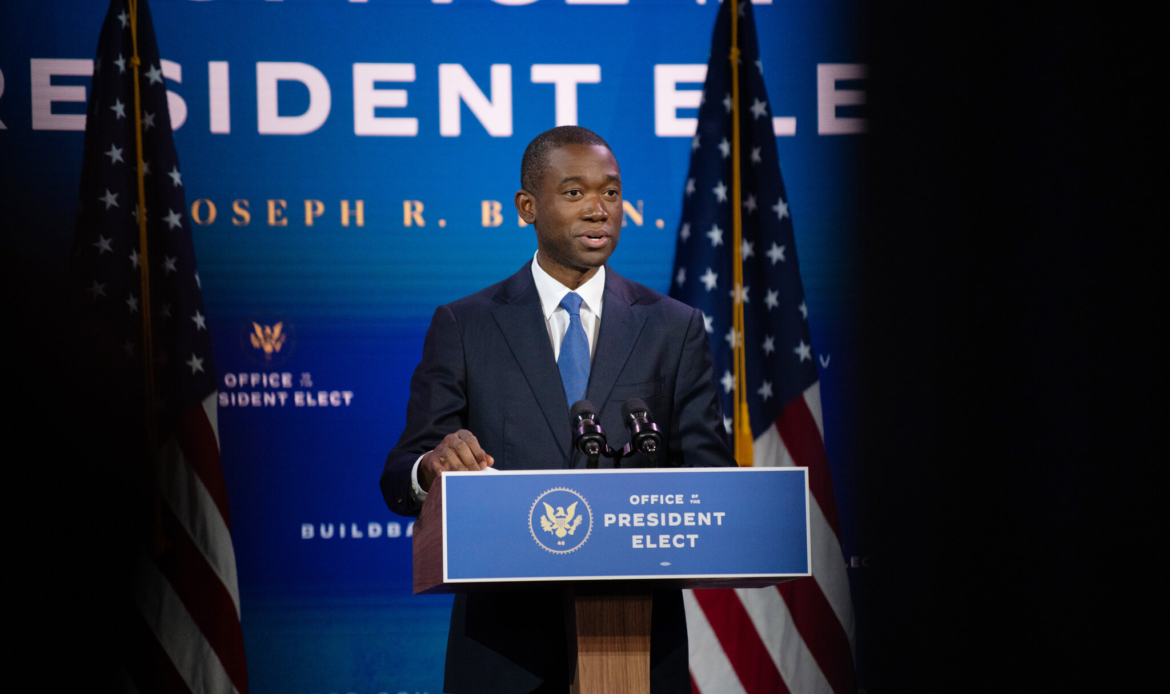
Adeyemo Wally’s story begins far from the marble floors of Washington. Born in Ibadan to Yoruba parents and raised in Southern California, he was shaped by two realities at once: the discipline of immigrant ambition and the everyday rhythms of a Nigerian household adjusting to American life. His father taught, his mother worked as a nurse, and together they raised a son who would grow into one of the most influential economic policymakers in the United States.
At Eisenhower High School in Rialto, California, Adeyemo’s trajectory already hinted at something unusual. He wasn’t just academically driven; he was politically aware early on, stepping into campaign work during the 2004 John Kerry presidential run. From there, his path moved steadily through elite academic spaces, UC Berkeley and Yale Law School, and into policy rooms where global financial decisions are shaped, debated, and signed off.
What makes his journey compelling is not just where he ended up, but how consistently he stayed close to economic systems that shape global power, long before most people ever noticed his name.
The Strategist Behind Global Economic Pressure Systems
Before becoming the United States Deputy Secretary of the Treasury under President Joe Biden, Adeyemo built a career inside the machinery of economic policy at its highest level. He worked across the Obama administration in roles that placed him directly in global financial negotiations, including serving as Deputy National Security Advisor for International Economics and Deputy Director of the National Economic Council.
Read: Yemisi Akinbobola is Changing Who Gets Heard in African Media
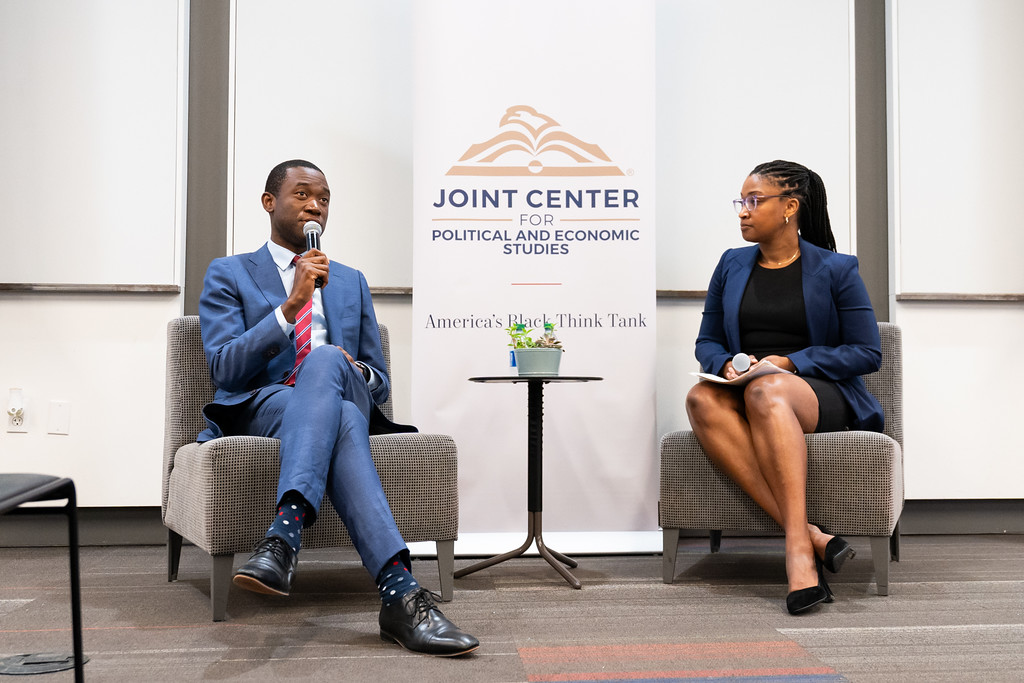
In these positions, Adeyemo was not a public-facing political figure. He was part of the architecture behind decisions that moved markets, shaped trade relationships, and influenced how countries interact financially. He was also involved in the Trans-Pacific Partnership negotiations, a deal that reflected how deeply interconnected economics and geopolitics had become.
After government service, he stepped into the private sector at BlackRock, one of the world’s most powerful asset management firms. That move is often overlooked, but it added another layer to his expertise: understanding how capital flows at a scale most policymakers only study from a distance.
This combination of government and private sector experience positioned him uniquely when he returned to public service under the Biden administration, especially as global tensions around sanctions, inflation, and energy security intensified.
Sanctions, Strategy and the Invisible Infrastructure of Power
As the Deputy Secretary of the Treasury, Adeyemo has operated in one of the most sensitive arenas of modern governance: economic sanctions enforcement. While military strategy often dominates headlines, sanctions function as one of the most powerful tools in global politics.
Adeyemo has played a central role in strengthening coordination with international regulators and financial systems, particularly in response to geopolitical crises such as the war in Ukraine. His work has involved building alignment across countries on how financial pressure is applied, monitored, and enforced.
In 2024, he wrote on the need to disrupt financial networks supporting Russia’s war effort, highlighting a reality that rarely makes front-page news: modern conflict is not only fought on battlefields, but also through banking systems, supply chains, and regulatory frameworks.
What is often missed in mainstream coverage is how figures like Adeyemo operate as bridge-builders between institutions. He is not simply implementing policy; he is negotiating coherence across systems that were never designed to move in perfect sync.
Read: Daliso Ngoma’s Mission to Make Africa Feel the Future
A Nigerian-Origin Blueprint in Global Economic Design
Adeyemo’s career signals something larger than individual success. It reflects the growing presence of African-origin professionals shaping global systems at the highest levels of finance and governance. From Ibadan to Washington, his journey sits at the intersection of identity, expertise, and global influence.
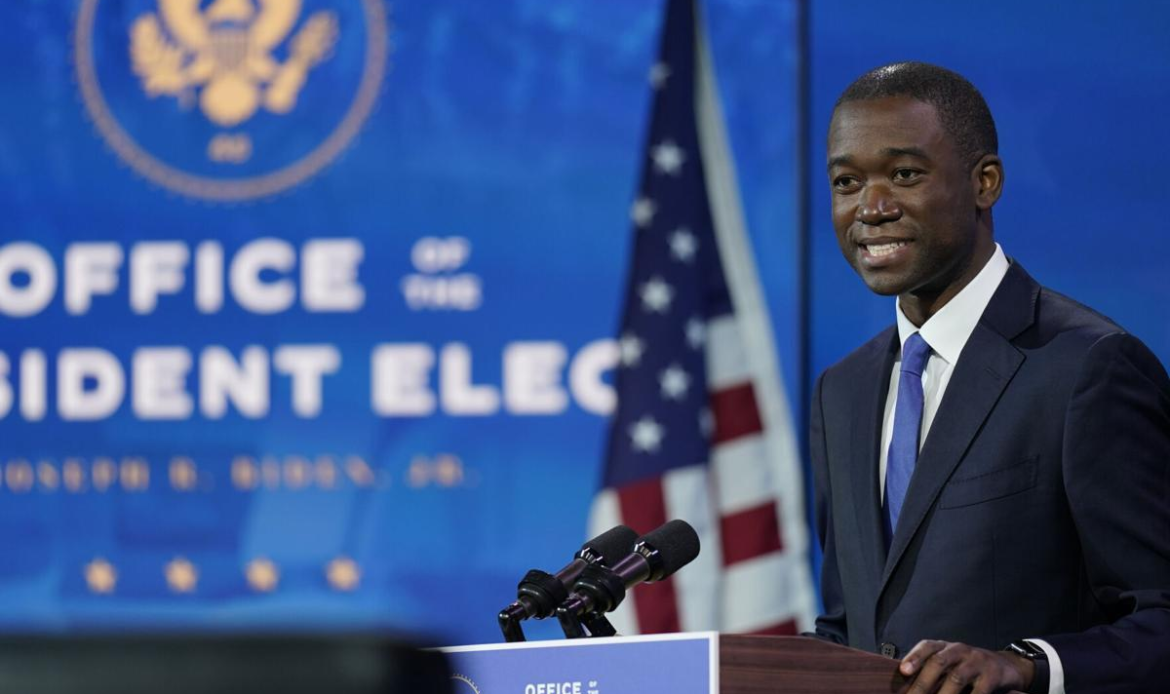
There is an understated significance to his presence in these rooms. It challenges outdated assumptions about where economic authority originates and who gets to participate in shaping global financial rules. His work does not centre on his background, but it inevitably reframes the narrative of representation in global economic leadership.
More importantly, it highlights a shift: African diaspora professionals are not only participating in global systems but also helping to design them. In Adeyemo’s case, that design space includes sanctions architecture, international economic coordination, and the strategic direction of one of the world’s most powerful treasuries.
The bigger question his career raises is not just what he has achieved, but what becomes normal when more Africans sit in similar rooms, influencing decisions that shape global stability.
From Ibadan roots to global economic strategy, his journey reflects how far African-origin expertise now travels in shaping the modern world. The real significance is not just where he stands today, but in what his presence signals for the next generation of African thinkers entering global finance, law, and policy design.
Stay connected with RefinedNG as we continue to spotlight Africans shaping the future of global systems, innovation, and leadership. Follow us, share this story, and visit our channels for more narratives that centre excellence and possibility.