
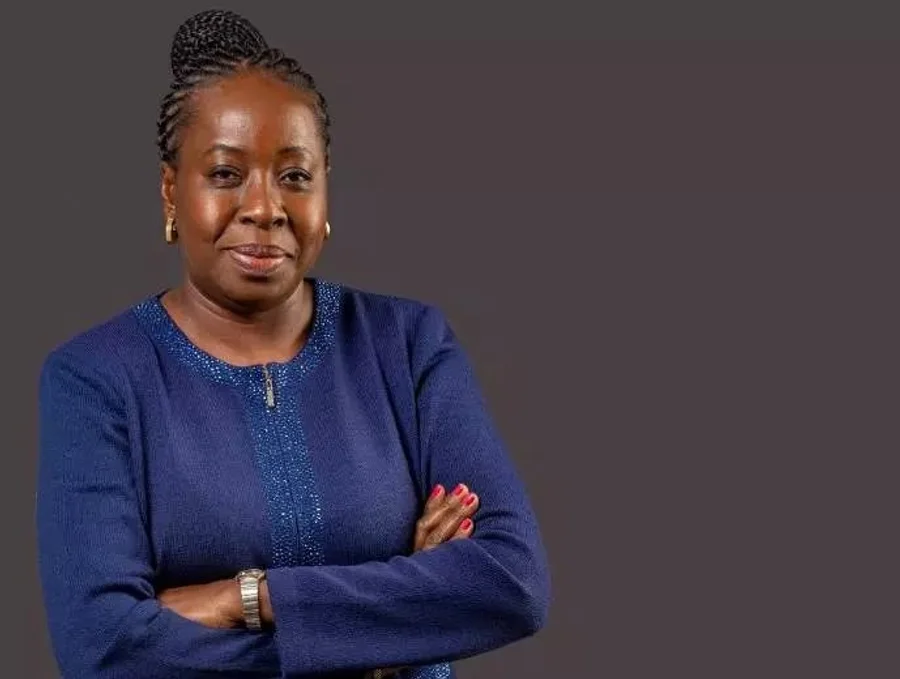
For someone who built one of Africa’s most important digital infrastructure companies, Funke Opeke has a surprisingly calm way of showing up in the spotlight. No noise, no over-celebration, just quiet, consistent impact.
Yet here she is again, back in conversations across Nigeria’s tech and business space. And it’s not just because she built MainOne or sold it for over $300 million. It’s because, even now, she’s still thinking about what Nigeria could become and what it will take to get there.
This is a story about how she thinks, how she builds, and why her mindset still matters.
The Problem-First Mindset That Built MainOne
Before MainOne became a household name in Nigeria’s tech ecosystem, it started with a simple frustration: the internet didn’t work the way it should. At the time, connectivity was slow, expensive, and unreliable; a major limitation for businesses and individuals trying to operate in a digital world.
Where many saw inconvenience, Funke saw a systems problem. She wasn’t chasing the idea of “starting a company” for the sake of it. She was trying to fix a gap that was holding an entire country back.
Instead of building something trendy, she chose one of the most complex, capital-intensive, and often overlooked parts of technology. She set out to build a submarine cable system that would bring faster, more reliable internet to West Africa. At the time, it sounded ambitious. To some, it sounded unrealistic.
But she went ahead anyway.
Read: Stephanie Egharevba on Building Inclusive Tech in Africa
The Boldness People Don’t Talk About Enough
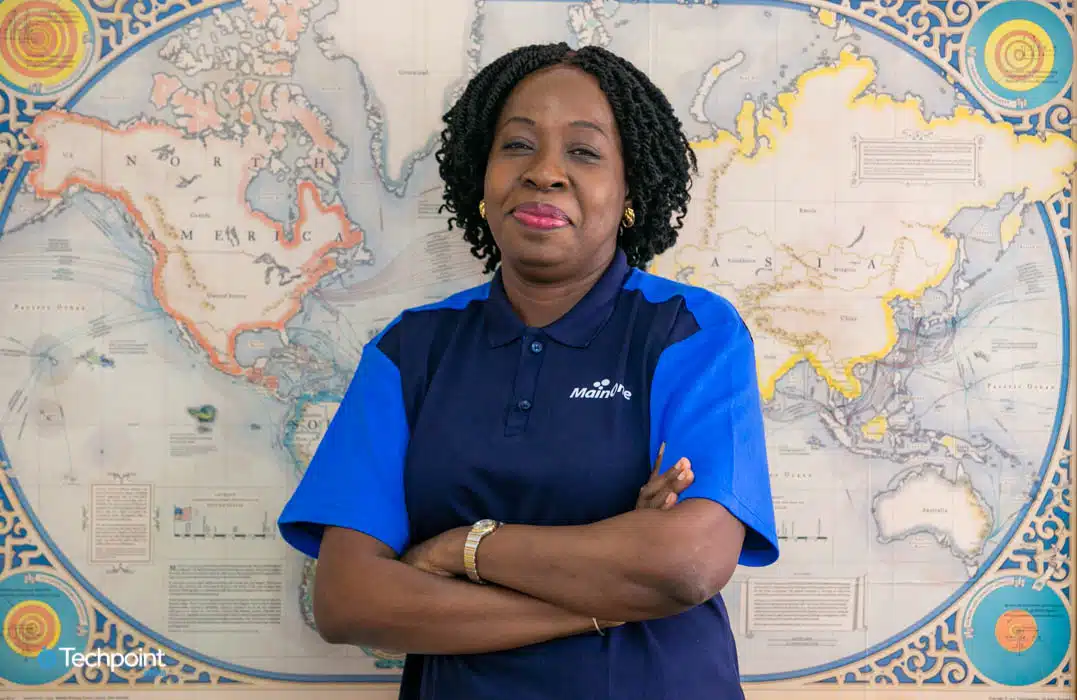
Today, startup founders raise millions and trend on social media for it. Back then, raising over $200 million in Nigeria, especially for something as technical and long-term as undersea cables, was almost unheard of.
Funke Opeke did it anyway.
It wasn’t a smooth journey. She faced rejection from major institutions, including global funding bodies. There were doubts about the market, concerns about execution, and the usual scepticism that comes with doing something no one around you has done before.
At one point, she described herself as “probably a little bit insane” for taking the leap. But this wasn’t recklessness. It was a calculated conviction. She believed deeply in the problem she was solving, and she was willing to stake her resources, reputation, and years of work on it.
That kind of boldness doesn’t always trend. It doesn’t always come with applause. But it is often what shifts industries.
She Didn’t Build for Applause, And It Shows
One of the most striking things about Funke Opeke is how she talks about MainOne. Or rather, how she doesn’t romanticise it.
For many founders, their companies are described as “their babies”; something deeply personal and almost impossible to let go of. But Funke has been clear: she doesn’t see it that way. To her, MainOne was a mission, not an identity.
So when the opportunity came to sell the company, she made the decision without the emotional attachment that often clouds judgment. The focus was on sustainability, growth, and what would allow the business to continue thriving beyond her direct involvement.
That perspective is rare. It shifts the conversation from building for hype to building for longevity. From personal validation to institutional impact.
And in a time where visibility often feels like the goal, her approach is a quiet reminder that not everything valuable has to be loud.
The “Third Chapter” Mindset: Why She’s Still Relevant
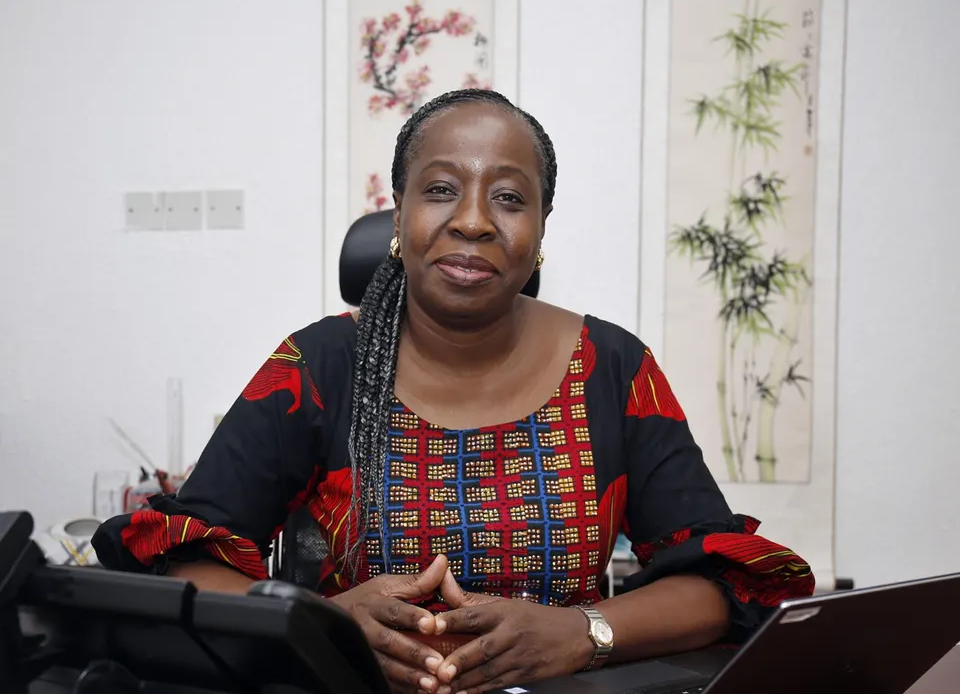
After selling MainOne, it would have been easy for Funke Opeke to step back completely. By most standards, she had already done enough. But that’s not how she sees it.
She describes this phase of her life as a “third chapter”, one shaped by reflection, learning, and continued curiosity. Her time at Harvard University as an Advanced Leadership Fellow gave her space to think more deeply about leadership, systems, and national development.
Interestingly, she has admitted that she thought she would slow down at this stage. But she hasn’t. If anything, her thinking has expanded.
Now, the focus is broader. It’s not just about building a company anymore. It’s about understanding how countries grow, how systems can be improved, and how Africa, particularly Nigeria, can become more productive and globally competitive.
That kind of mindset doesn’t retire. It evolves.
Read: This Nigerian Law Student Just Made Harvard History
What We Can Learn From Funke Opeke Right Now
There’s a lot to take from her journey, but one lesson stands out clearly: infrastructure matters. Before innovation can scale, the foundations have to work. Talent alone is not enough if the systems around it are weak.
Funke’s work reminds us that real transformation often happens behind the scenes. It’s not always glamorous, but it is necessary.
There’s also something to be said about patience and long-term thinking. In a world that rewards quick wins, she chose a path that required time, resilience, and a willingness to stay the course even when the results were not immediate.
And maybe that’s why her story feels even more relevant now. Because as Nigeria continues to push forward in tech, business, and innovation, the question is no longer just what we are building but how and why we are building it.
Looking Ahead
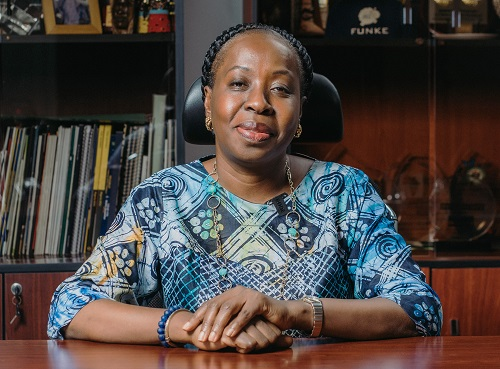
Funke Opeke’s story doesn’t end with MainOne. If anything, that was just one chapter in a much larger journey. What makes her stand out is not just what she has done, but how she continues to think.
In a space that often celebrates speed and visibility, she represents something different: intentional, long-term building. And that might be exactly what Nigeria needs more of.
What stands out most to you from Funke Opeke’s journey? Let’s talk about it in the comments.
And if you’d love to see more features like this, or you have a story worth telling, send us a message. RefinedNG is always open to amplifying voices that are building with purpose.