
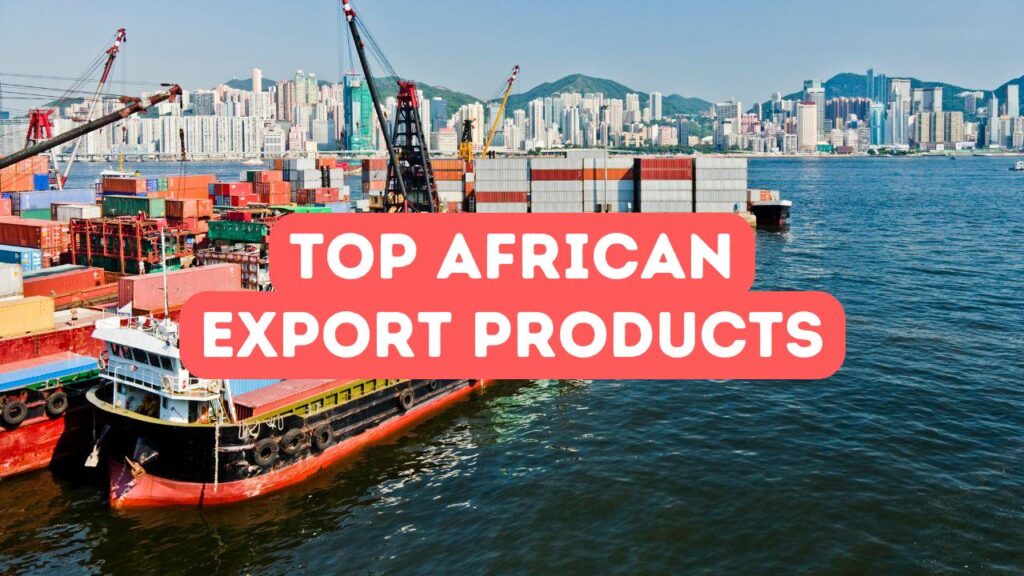
Ask someone what Africa exports, and you’ll probably hear one quick answer: raw materials. That’s not wrong, but it barely scratches the surface. Across the continent, exports are doing a lot more than just moving goods. They are shaping economies, creating jobs, and placing African countries right in the middle of global conversations.
From energy to agriculture, Africa supplies products that power industries, feed populations, and support financial systems worldwide. Countries like China, the United States, and several in Europe rely heavily on these exports. So instead of seeing Africa as just a supplier, it makes more sense to see it as a key player.
Let’s break down five of the continent’s biggest exports and what they really represent.
1 . Crude Oil and Petroleum: Africa’s Biggest Money Maker
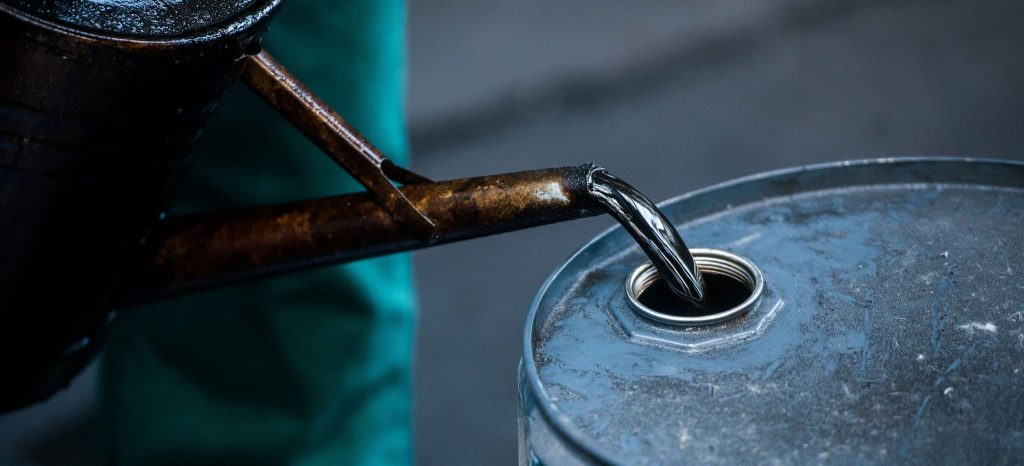
If exports were a leaderboard, crude oil would sit comfortably at the top for many African countries. Nations like Nigeria, Angola, Algeria, and Libya depend heavily on oil for revenue. In Nigeria, for example, oil accounts for a huge portion of government income and foreign exchange earnings.
The global demand for energy keeps oil relevant. Industries, transportation systems, and even everyday products depend on it. This makes oil a powerful economic tool for exporting countries. But there’s a catch. When global oil prices drop, economies that rely too much on it can feel the impact almost immediately.
That’s why conversations around diversification keep coming up. Oil has done a lot of heavy lifting, but many African countries are now looking at ways to reduce their dependence on it while still making the most of its value.
Read: Sukur: Nigeria’s First UNESCO World Heritage Site
2. Gold: Africa’s Timeless Wealth
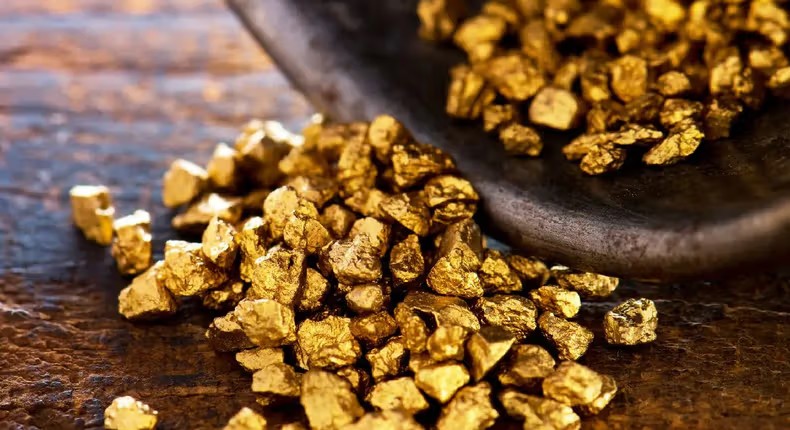
Gold has always had a certain status. Long before modern trade systems, it was already a symbol of wealth across African empires. Fast forward to today, and it remains one of the continent’s most valuable exports.
Countries like Ghana, South Africa, Mali, and Sudan are major producers. Ghana, in particular, has taken a leading role in recent years. The global demand for gold stays strong because it serves multiple purposes. It is used in jewellery, stored as a financial asset, and even held by central banks as part of national reserves.
At the same time, gold mining comes with its own challenges. Illegal mining and environmental concerns continue to raise questions. Still, the sector provides jobs and brings in significant revenue. With better regulation and investment, gold can continue to be a strong and stable export for Africa.
3. Natural Gas: Africa’s Gentle Global Player
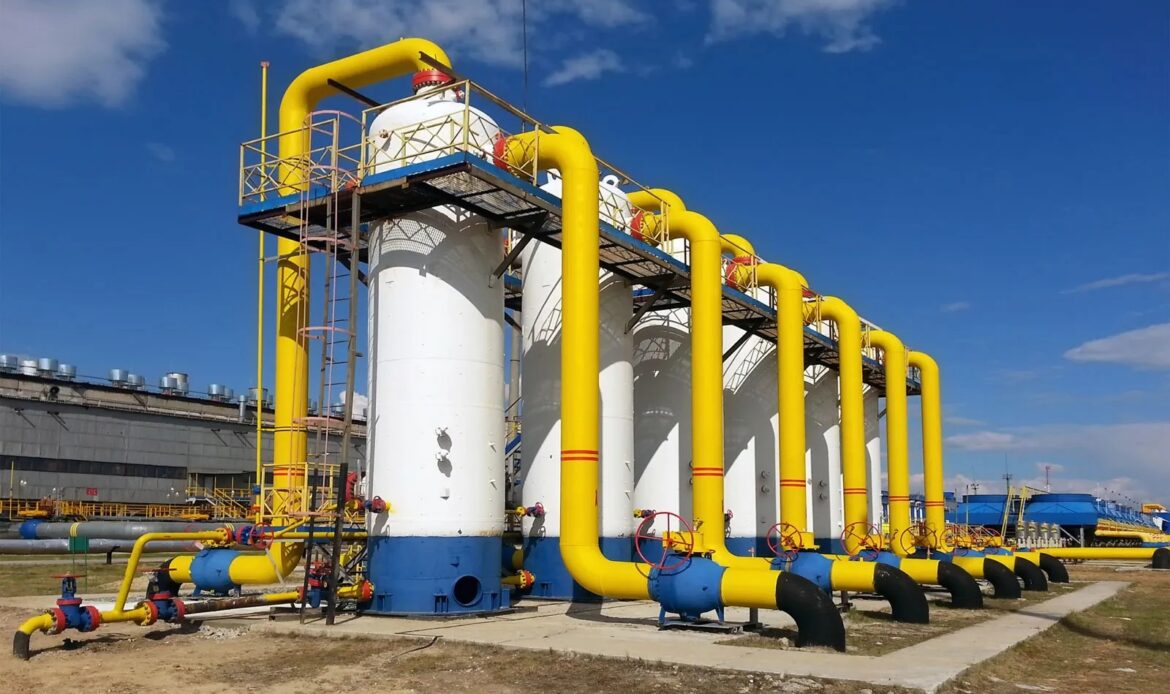
Natural gas does not always get the same attention as oil, but it is steadily becoming one of Africa’s most important exports. Countries like Nigeria, Algeria, and Egypt are leading producers, and demand is growing fast.
One key reason is the global shift toward cleaner energy sources. Compared to coal and oil, natural gas produces fewer emissions. This has made it attractive to countries trying to balance energy needs with environmental goals. Liquefied natural gas, often called LNG, allows African producers to export gas across long distances, reaching markets in Europe and Asia.
There are still hurdles to scale. Infrastructure, investment, and policy consistency all play a role. But the potential is clear. Natural gas is positioning Africa as a serious player in the future of global energy.
4. Copper: Powering the World’s Future
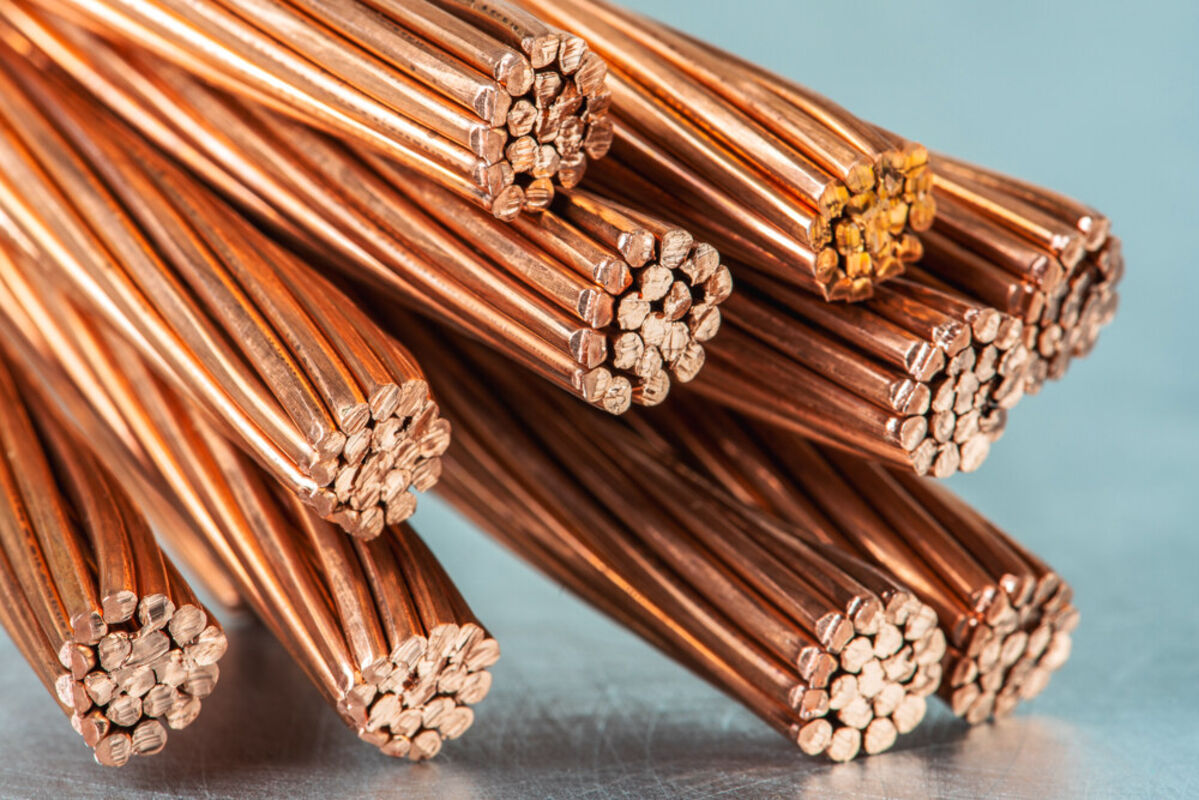
If you look at the future of technology and clean energy, copper keeps showing up. It is essential for electricity, electronics, and renewable energy systems. That makes it one of the most important minerals in today’s world.
The Democratic Republic of Congo and Zambia are at the centreof Africa’s copper exports. The DRC, in particular, holds some of the largest copper reserves globally. As demand for electric vehicles and green energy solutions increases, copper becomes even more valuable.
This creates a big opportunity. Instead of exporting raw copper, there is growing interest in processing and adding value within Africa. That shift could boost local industries, create jobs, and increase revenue. Copper is not just about what is mined. It is about what can be built from it.
Read: Did You Know Côte d’Ivoire Produces the Most Cocoa in the World?
5. Agricultural Exports: Feeding the World From Africa
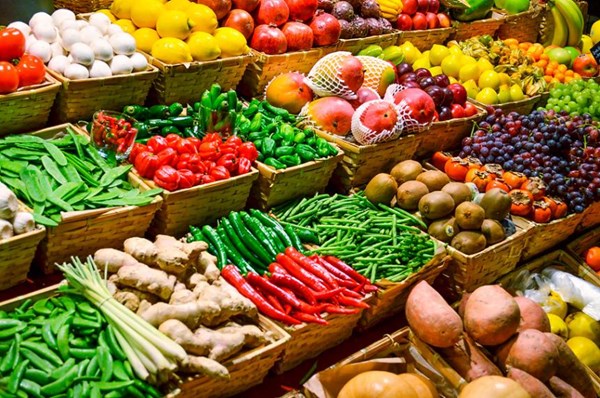
While minerals and energy often dominate headlines, agriculture remains one of Africa’s most important export sectors. It is also the most people-driven. Millions of farmers depend on it for their livelihoods.
Products like cocoa, coffee, tea, and cashew nuts are in high demand globally. Ivory Coast and Ghana lead in cocoa production, supplying a large share of the world’s chocolate industry. Ethiopia’s coffee and Kenya’s tea also have strong global reputations.
But there is an interesting contrast. Africa exports a lot of raw agricultural products, yet many countries still import processed food. This has sparked conversations about building stronger value chains. Processing these goods locally could increase income, create jobs, and strengthen food systems across the continent.
Agriculture is not just about exports. It is about sustainability, food security, and economic growth all at once.
Beyond Raw Exports: Africa’s Next Big Move
These five exports tell a clear story. Africa is rich in resources and plays a key role in global trade. But the next step goes beyond exporting raw materials. It is about adding value, building industries, and keeping more of that wealth within the continent.
With initiatives like the African Continental Free Trade Area gaining momentum, there is a real chance to boost trade within Africa itself. That could change how goods are produced, processed, and consumed.
Africa is not just exporting products. It is shaping industries and influencing the future. And as things evolve, the focus is shifting from what leaves the continent to what can be built within it.
Enjoyed this breakdown? Explore more insightful and positive African stories on RefinedNG, and share this with someone who loves learning about Africa’s global impact.