
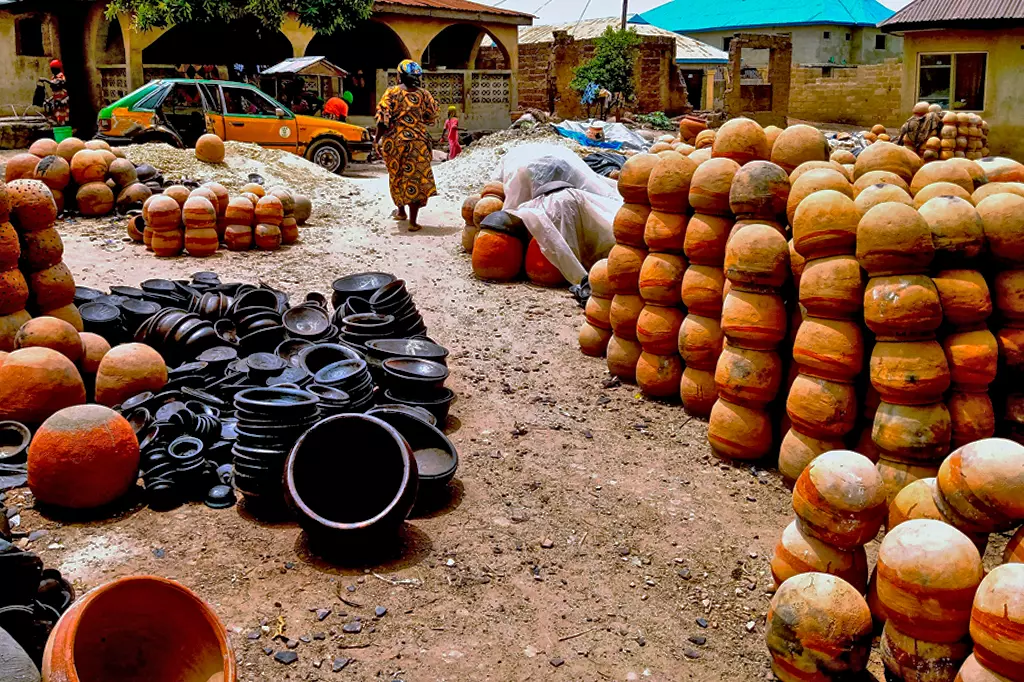
Pottery might feel like one of those “old-school” crafts your grandmother talks about, but it’s so much more than clay and fire. In Nigeria, pottery is a living tradition—one that holds centuries of history, culture, and artistry. While most of us think of pots for storing water or cooking soup, the story of pottery goes way deeper than that.
Beyond being a household staple, pottery has been a silent witness to history, culture, trade, and everyday life across generations. From rural communities to modern homes and art galleries, this craft continues to evolve while staying deeply rooted in tradition.
Here are five fascinating facts about Nigerian pottery that might just surprise you.
1. Pottery is Older Than You Think

Nigeria has one of the oldest pottery traditions in the world. Archaeological discoveries from the Nok culture, dating back to around 1000 BC, revealed terracotta sculptures and pottery that prove our ancestors were skilled artisans thousands of years ago.
These early potters weren’t just making basic cooking pots—they were crafting intricate sculptures, ceremonial vessels, and art pieces that told stories about daily life, spirituality, and identity. Every time you see a simple clay pot in a village market today, think of it as part of a long legacy that connects us to some of Africa’s earliest civilizations. Pottery was more than functional—it was art, storytelling, and cultural preservation rolled into one.
Read: The Importance of Oji (Kola Nut) in the Igbo Culture
2. Pots Meant More Than Cooking or Water Storage
Sure, pots held water and simmered soup, but pottery had cultural meaning too. In many Nigerian communities, pots played roles in rituals, marriage ceremonies, and traditional festivals.
While it wasn’t a formal “requirement” for marriage, pots were often gifted to brides as part of their new household setup—a symbolic way of saying, “Here’s something to build your new life with.” These pots were cherished, used for years, and even passed down through generations.
In some places, beautifully crafted pots were also used in ceremonies to honor ancestors or serve as offerings to deities, making them an integral part of cultural and spiritual practices.
3. Different Regions, Different Styles—Every Pot Tells a Story
Pottery in Nigeria is as diverse as our cultures. Each region has its own style, materials, and techniques.
The Gwari people, for example, are famous for their reddish, smooth pots shaped entirely by hand without a potter’s wheel. In Borno State, potters are known for crafting massive water storage pots that can hold dozens of liters. The Ishan people in Edo State create highly decorative pots with unique patterns and fluted edges, often reserved for special occasions.
These distinct regional styles show that pottery is not just functional—it’s a form of cultural identity. A pot can tell you where it came from simply by its shape, patterns, or color.
4. Pottery Was an Inherited Skill and a Source of Pride
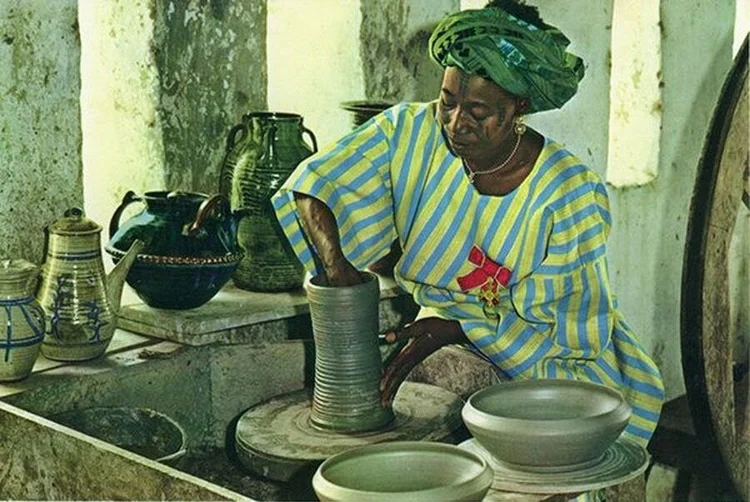
In many communities, pottery wasn’t something you just woke up and learned—it was passed down from mothers to daughters over generations. Girls grew up watching their mothers mold, dry, and fire clay, and by the time they were teenagers, they were already part of the craft.
This tradition made pottery more than just a job—it was a cultural inheritance and a symbol of a family’s craftsmanship. Pottery workshops weren’t just workplaces; they were places where history, techniques, and family stories were passed down.
In some communities, being a skilled potter was a source of pride and influence, as these artisans were vital to the local economy and daily life.
Read: What Do You Really Know About Aso Oke?
5. Pottery is Making a Modern Comeback
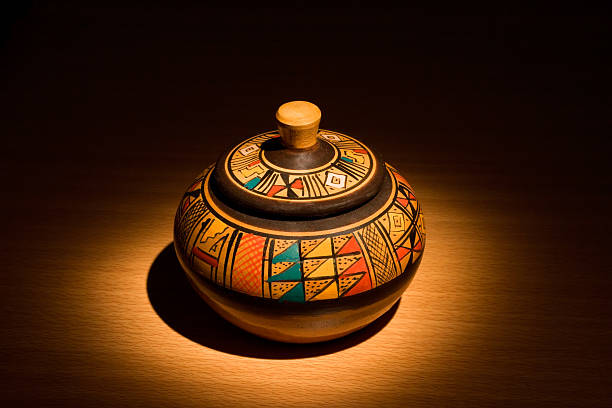
Today, pottery isn’t just for the rural kitchen anymore. Nigerian artisans are reimagining pottery as home décor, art pieces, and export-worthy ceramics. From stylish plant pots in Lagos apartments to bespoke clay tableware in Abuja restaurants, pottery is blending tradition with modern design.
Young creatives are also tapping into pottery to reconnect with their roots while giving it a trendy twist. What was once seen as “local” or “old-fashioned” is now gracing high-end homes, hotels, and even international exhibitions.
Social media platforms like Instagram and TikTok have also given potters a new way to showcase their craft, connect with customers, and bring global attention to what was once a community-centered practice
Final Thoughts
Pottery in Nigeria is so much more than clay. It’s history, culture, art, and resilience shaped by generations of skilled hands. It connects us to the Nok people of thousands of years ago, to the brides who received pots as part of their new homes, and to the artisans who kept the craft alive despite modernization.
Today, as the world rediscovers the beauty of handmade crafts, Nigerian pottery stands as proof that cultural traditions can survive and thrive in a modern world. The next time you see a simple clay pot, remember—it represents centuries of heritage, trade, and family tradition.