
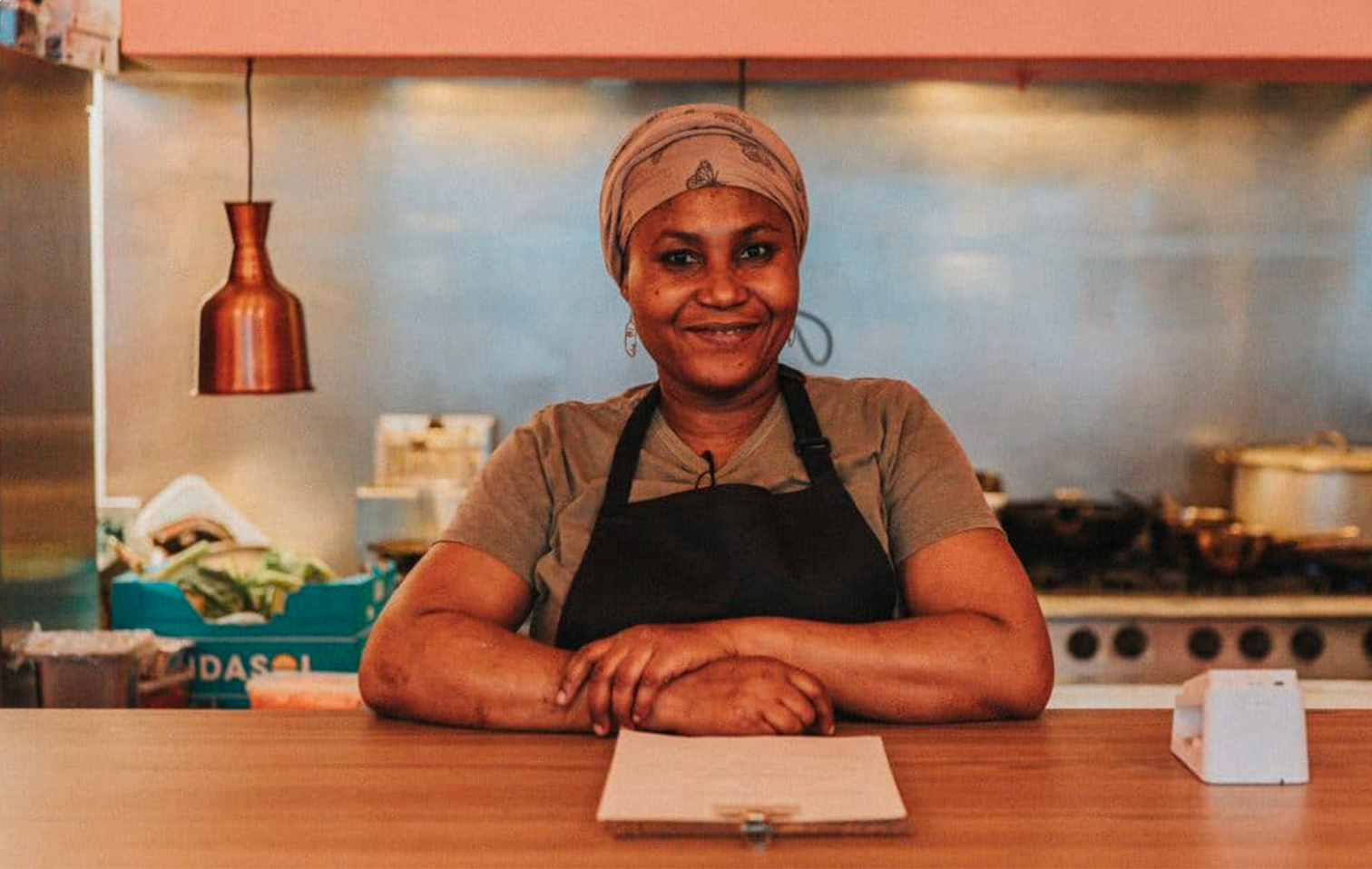
In February 2024, Adejoké Bakare carved her name into history. She became the first Black woman in the UK to earn a Michelin star—a milestone that was quickly followed by another: being named Chef of the Year at the National Restaurant Awards. These weren’t just personal victories; they marked a turning point for British dining.
At the heart of this recognition is Chishuru, her restaurant in London’s Fitzrovia, where West African flavors are reimagined for a global stage. For Bakare, the star isn’t only about prestige—it’s about visibility. Her journey proves that West African food belongs at the center of fine dining conversations, not the margins. And while she’s self-taught, she has built a reputation on bold choices, persistence, and a belief that food can carry culture forward. Adejoké isn’t just cooking; she’s reshaping the story of what British gastronomy looks like today.
Roots in Kaduna and a Life Built Around Food
Adejoké Bakare’s story starts in Kaduna, northern Nigeria, where she grew up in a household shaped by both Yoruba and Igbo traditions. Food was always part of family life, and as the eldest child, she often carried the responsibility of cooking for everyone. Her earliest lessons came from her grandmother, who taught her how to prepare meals with care and resourcefulness. Those kitchen hours built both skill and confidence, even if her father sometimes had to endure the results of her experiments.
While studying biomedical sciences at Kaduna State University, Bakare found her first entrepreneurial outlet in food. She ran a fish-and-chips cart that became popular among fellow students, especially international ones. It wasn’t a long-term plan, but it showed her ability to connect people through food.
In 1999, she moved to the UK to continue her studies and build a career. Over the years she worked in different fields, including property management and health and safety. But food never stayed in the background for long. From a Sunday morning street food van outside her church to small supper clubs hosted for friends, she kept finding ways to bring her love of West African cooking into her everyday life.
Read: How Lisa Folawiyo Turned Ankara Into a Global Luxury Statement
A Supper Club That Became a Movement
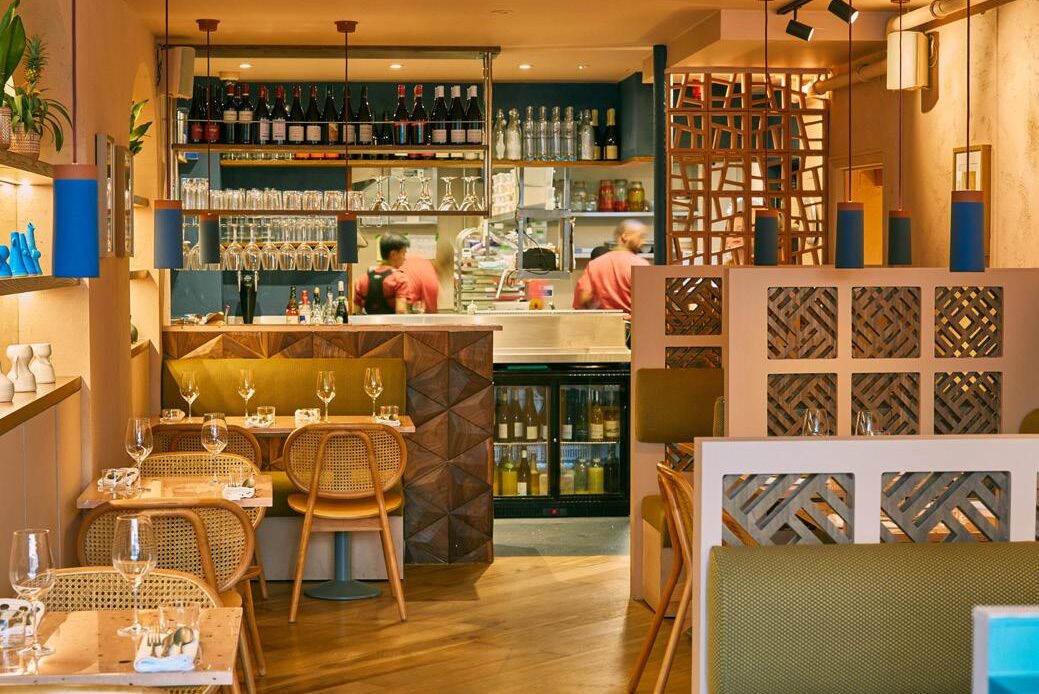
In 2019, friends encouraged Adejoké Bakare to take part in the Brixton Kitchen competition, a local contest offering winners the chance to run a short-term restaurant pop-up. Entering in the amateur category, she didn’t expect much. To her surprise, she won. That victory marked the beginning of Chishuru, her first step into professional cooking.
The pop-up opened in Brixton Village in September 2020. It quickly gained attention, most notably after food critic Jay Rayner gave it a rave review. What was supposed to last only three months became a permanent fixture. Chishuru’s reputation grew, and in 2022 it was named London’s Best Restaurant by Time Out, solidifying its status as one of the city’s most exciting dining spots.
By 2023, demand had outgrown the Brixton site. Bakare and her business partner made the move to Fitzrovia, a more central London location that could support her growing audience, including international visitors. The transition marked a scale-up, but her focus remained on keeping the restaurant’s heart intact.
The name “Chishuru,” a Hausa word meaning “the silence when the food arrives,” captured her goal from the start: food that speaks for itself, rooted in West African traditions but served with a modern edge.
The Michelin Star Moment
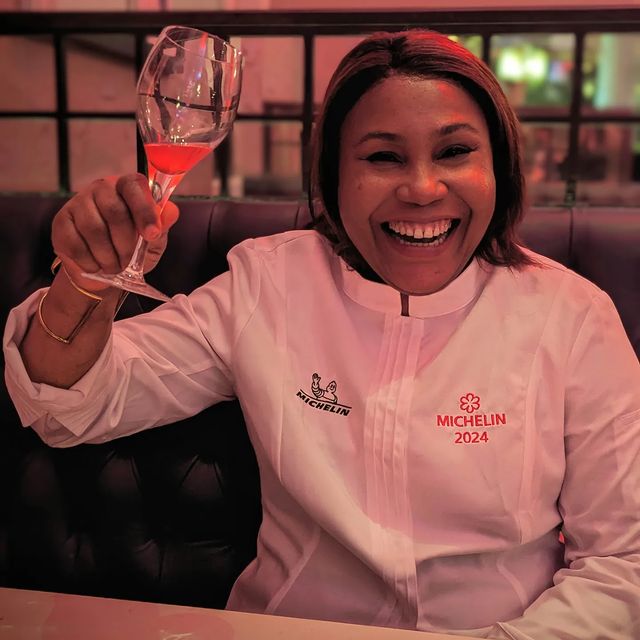
In February 2024, Adejoké Bakare reached a milestone that chefs around the world dream of: Chishuru was awarded a Michelin star. For her, the recognition was both thrilling and deeply validating. In an industry with countless awards, Michelin remains the one that chefs value most. It signals not only technical excellence but also the ability to tell a story through food.
The achievement was historic. Adejoké Bakare became the first Black woman in the UK — and only the second worldwide, after France’s Georgiana Viou — to earn a Michelin star for her own restaurant. The milestone placed both her and modern West African cuisine firmly on the fine dining map.
Her approach to food challenges rigid definitions of authenticity. She describes her cooking as “modern West African,” shaped by her Yoruba and Igbo heritage but adapted for a London context. That often means rethinking presentation and applying professional techniques while retaining the bold flavors that define the cuisine.
Ingredient sourcing remains one of her ongoing challenges. Plantains, for example, are delivered from Brixton Market twice a week, while certain spice blends are shipped directly from Nigeria. Despite the hurdles, her dishes stand out for their originality. A signature example is ekuru — a wild watermelon seed cake topped with pumpkin seed pesto and served with a Scotch bonnet sauce.
For Bakare, the Michelin star is more than a personal victory. It opens the door for West African cuisine to claim its place in fine dining, challenging long-held norms of what deserves global recognition.
Beyond the Kitchen: Personality and Advocacy
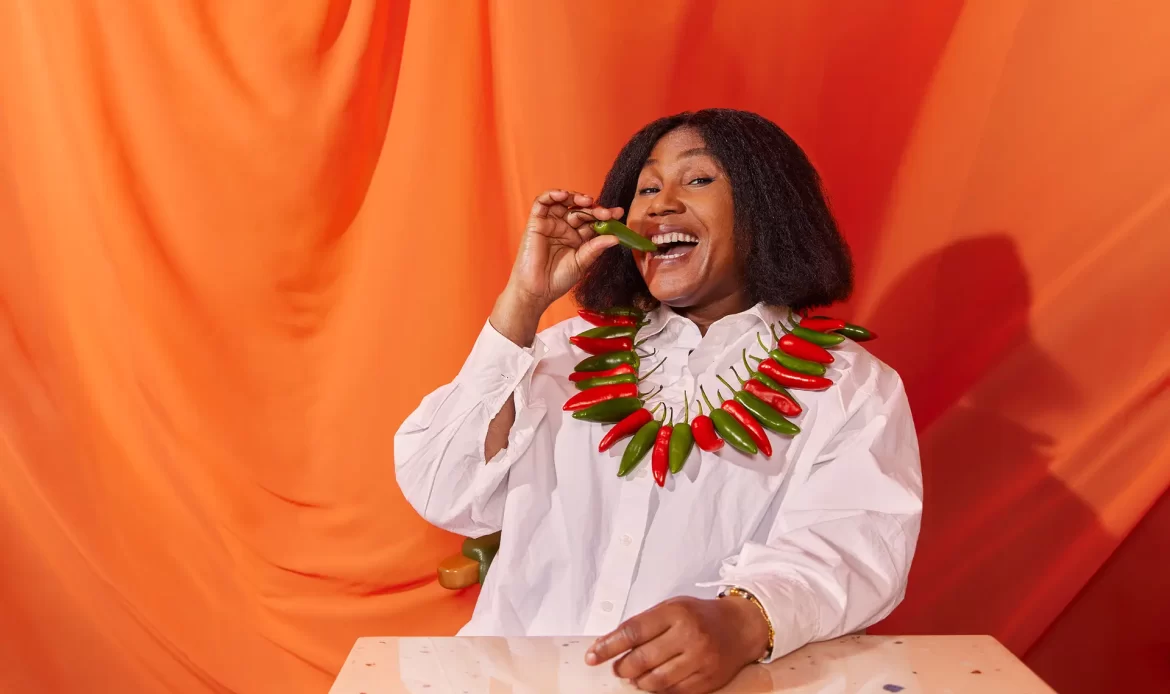
Beyond the kitchen, Adejoké Bakare has built a reputation for being approachable and grounded. Chishuru was never intended to be a stage for fine dining theatre — no white tablecloths or scripted rituals. Instead, she designed it to feel welcoming and homely, a place where anyone could sit down and discover West African food without intimidation.
That philosophy extends to her voice in the industry. Bakare has been outspoken about diversity and fairness in hospitality, lending her name to open letters challenging outdated views — such as public claims that sexism is no longer an issue in restaurants. For her, progress requires honesty, and silence only reinforces barriers.
Her own journey is proof of resilience. Landlords often rejected her proposals for restaurant spaces, questioning whether a West African concept could thrive. She persisted, holding onto self-belief until opportunities aligned.
What continues to drive her is the joy of watching diners encounter West African flavors for the first time — the curiosity, surprise, and silence that Chishuru itself is named after.Her hope: “You can’t be what you can’t see”—her success inspires others.
Read: Damilare Kuku: The Blueprint for Unconventional Nigerian Fiction
Where She’s Headed Next
For Adejoké Bakare, the future isn’t about chasing accolades; it’s about refining the craft. Her current focus is on making Chishuru 1% better every single day — from the way dishes are executed to the overall guest experience. Expansion is on the horizon, but only if it can be done without losing the warmth and soul that define the restaurant.
At the same time, she is aware of the responsibility that comes with her visibility. As the first Black woman in the UK — and only the second worldwide — to earn a Michelin star, she has become a reference point for young chefs, especially Black women who rarely see themselves represented at the highest levels of the industry. Her message is clear: “You can’t be what you can’t see.” By standing where she is, she’s making space for others to dream bigger.
A Chef, A Pioneer, A Voice
Adejoké Bakare’s story is not just about a star on a restaurant wall. It is about bridging Nigeria and London, tradition and innovation, and turning West African cuisine into a global conversation. Her journey — from Kaduna to Fitzrovia — is proof that persistence and passion can reshape industries.
While her legacy is still unfolding, she has already opened doors for others and shifted how fine dining looks at African food. What sets her apart is not just her skill in the kitchen but her warmth, her honesty, and her belief in food as a story worth sharing.
Follow RefinedNG for more inspiring stories of Nigerians breaking barriers at home and abroad.