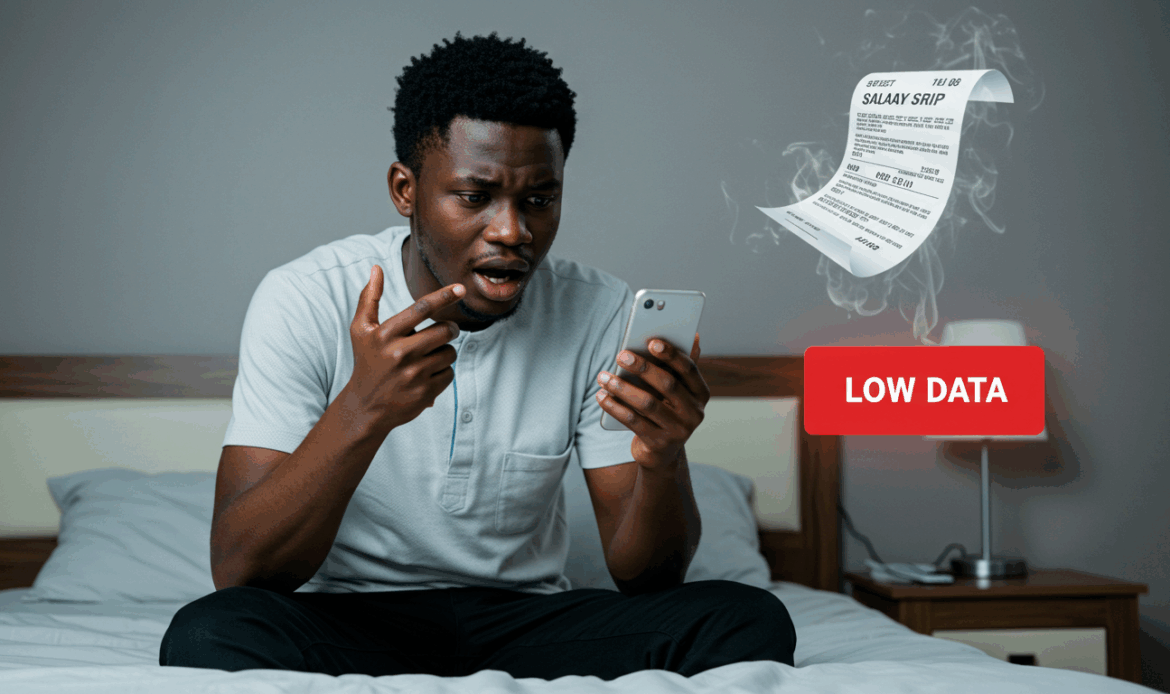
Your data bundle disappears faster than your salary after payday. One minute you recharge ₦5,000 for 15GB, and before you can say “let me just check Instagram real quick”, it’s gone. Sound familiar? Now here’s the twist: what if the way your data vanishes is the same way your money slips through your fingers?
We often separate internet habits from financial habits, but they’re closer cousins than you think. Every scroll, every stream, every midnight binge-watch isn’t just burning megabytes — it’s shaping how you treat money. Think about it: do you budget your browsing time, or do you go with the flow? Do you audit where your bundles went, or just shrug and buy another?
The truth is, data money is real money. And if you want to stop your savings from leaking, it’s time to see the hidden wallet inside your phone.
The Hidden Wallet in Your Phone
Here’s the thing many people forget: every swipe, scroll, and stream you make on the internet is a financial transaction. It may not feel like handing a cashier a ₦500 note, but in reality, your bundles are cash — just dressed in megabytes. When you binge TikTok for an hour, you could easily burn through 800MB. At today’s data rates, that’s about the same cost as a plate of jollof rice at a decent buka. In other words, your phone is not just a gadget — it’s a hidden wallet that quietly spends money on your behalf.
The danger is that these transactions are invisible. Unlike withdrawing from an ATM, you don’t feel the sting of parting with cash, so you keep browsing without pause. But financial literacy starts with awareness: if you can’t see your spending, you can’t control it. Internet data is the perfect example of silent spending — and just like with money, if you don’t track it, you’ll always be broke before the month ends.
Read: Why Earning More Won’t Save You from Bad Money Habits
Impulse Browsing = Impulse Spending
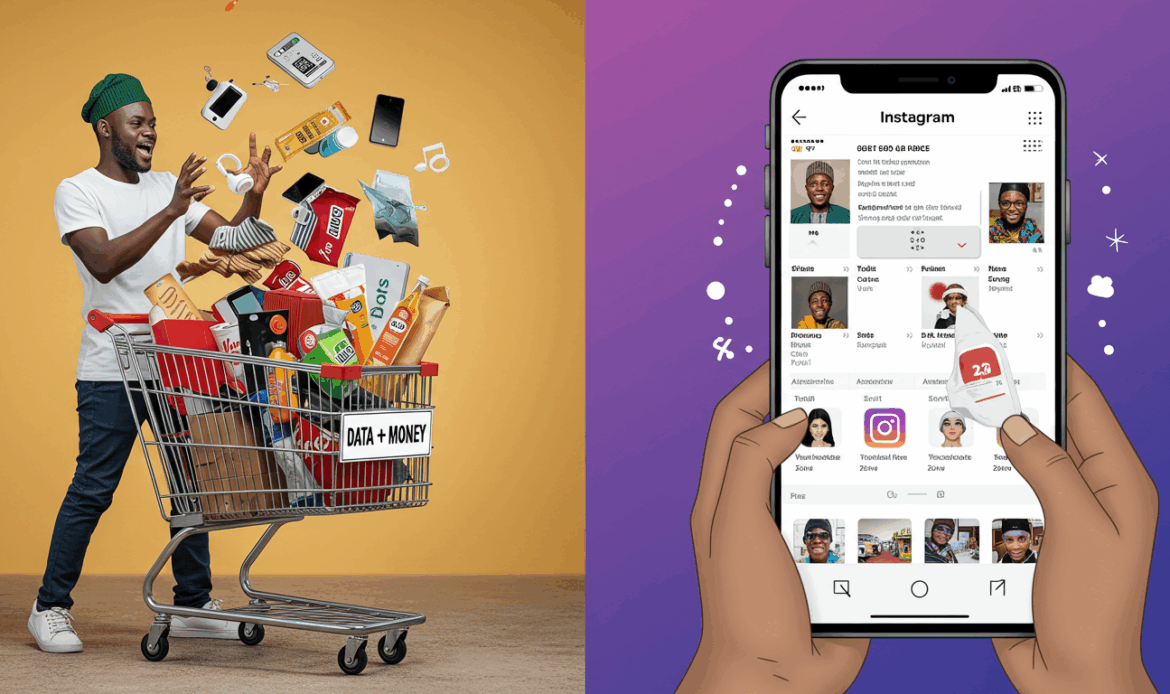
We all know the danger of impulse shopping — strolling into a supermarket for “just bread” and leaving with snacks, drinks, and a random mop. The same thing happens online, only this time, it’s your data that pays the price. You open Instagram to check one post, and two hours later, you’ve scrolled through reels, clicked ads, and maybe even placed an order you didn’t plan for. That’s impulse browsing — and it’s draining both your megabytes and your money.
Social media platforms are designed to keep you hooked, nudging you toward “spend-more” behaviors. Every extra scroll means more data consumed. Every clever ad you click can lead to actual cash leaving your account. The link is simple: if you can’t control your browsing appetite, you’ll likely struggle to control your financial appetite. Both require discipline, awareness, and the courage to say, “Not today.”
Subscriptions: The Silent Debtors
Subscriptions are the new silent debtors in our wallets. Netflix here, Spotify there, a little Canva, maybe Apple Music, iCloud, or even ChatGPT. Each one looks harmless at ₦1,500 to ₦5,000, but when they stack, they quietly chew deep into your monthly income. It’s death by a thousand cuts — you don’t notice until your account balance looks suspiciously thin halfway through the month.
And here’s the kicker: you’re not only paying for the subscription, you’re also paying for the data it consumes. That Netflix binge doesn’t just cost ₦4,400 monthly — it’s also burning through gigabytes that you must replace with even more cash.
The financial literacy lesson is clear: subscriptions are recurring expenses, and recurring expenses are the true budget killers. Treat them like you would rent or electricity — review them regularly, cancel what you don’t need, and keep only what truly adds value.
Luxury Browsing in a Broke Economy
There’s nothing wrong with enjoying good things, but luxury browsing in a broke economy is financial self-sabotage. Watching Netflix in 4K on mobile data, scrolling endlessly on TikTok, or dabbling in premium cloud gaming feels like harmless fun — until you do the math. Streaming a single 4K movie can wipe out up to 17GB of data. At today’s rates, that’s nearly the same cost as a week’s worth of groceries for a family of three.
It’s the same as earning ₦100k a month but insisting on dining at a 5-star restaurant every day. The lifestyle simply doesn’t match the income. Financial wisdom means aligning your consumption level with your financial reality. Standard definition Netflix might not look as sharp, but neither will your bank account if you keep burning gigabytes you can’t afford.
The Cost of Free Apps
Social media is “free” to download, but every second you spend there has hidden price tags. You’re paying twice: first with the data it consumes, and second with the subtle nudges to spend real cash. Ads on Instagram and TikTok are carefully targeted to your habits. Before you know it, you’ve impulse-ordered sneakers you didn’t plan for, and paid delivery on top.
Beyond money, there’s opportunity cost. Hours lost on “free” apps are hours not used for productive, income-generating activities. The truth is simple: free isn’t really free. The platforms make billions because your browsing feeds their ads, while your wallet quietly leaks data and cash.Recognizing this shifts your mindset. Before you open another “free” app, ask yourself: what’s the real cost here?
Read: How to Stop Your Bank App from Surprising You Every Morning
Practical Financial Habits for Data Literacy
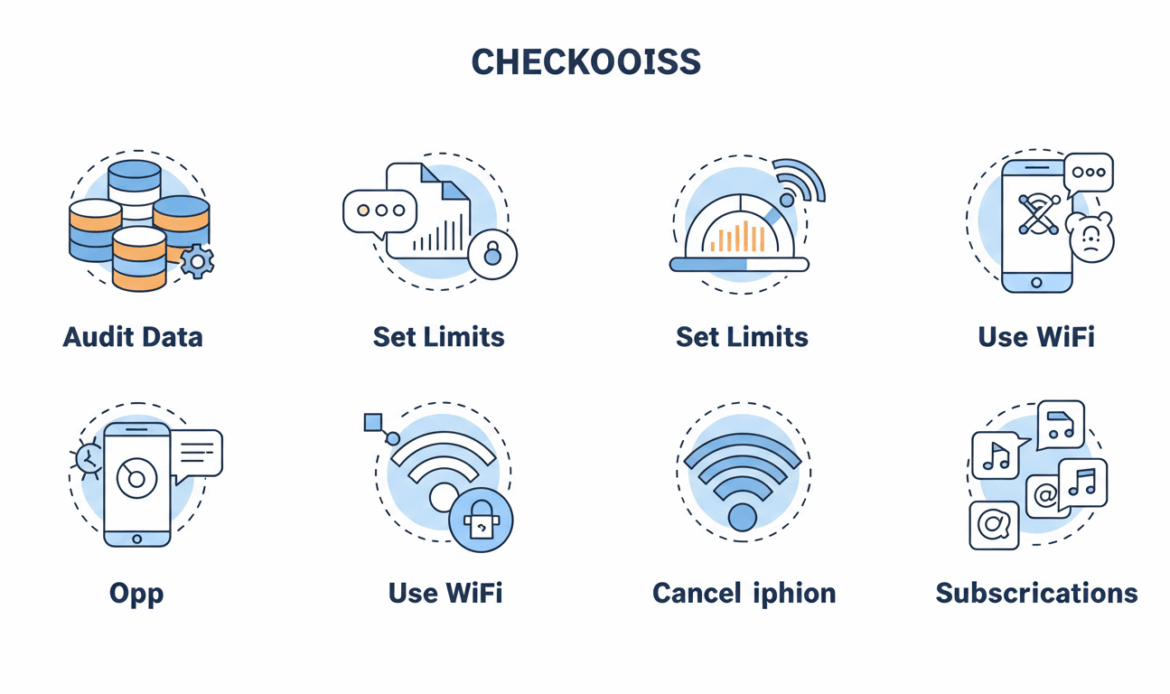
Just like you wouldn’t hand out cash blindly without knowing where it goes, you shouldn’t let your internet data run wild. Begin by auditing your data the same way you audit your monthly expenses. Check which apps are gulping the most MBs, and ask yourself if the usage is worth the cost.
Set “budgets” for your browsing: maybe 2 hours max for social media per day, or a 3GB weekly cap for streaming. Think of it as creating spending categories, only this time it’s MBs instead of naira. Whenever possible, push heavy tasks — like downloading movies, updating apps, or cloud backups — onto WiFi. It’s the digital version of bulk buying at the market: more value at less cost.
Don’t forget to unsubscribe from services you aren’t maximizing. Paying ₦3,000 monthly for an app you only use once is the same as paying rent on a house you don’t live in. Lastly, treat background data like standing orders at the bank: small, invisible debits that drain you if you don’t keep an eye. Restrict those apps that keep sipping behind your back.
Mindset Shift: From Data Spender to Data Investor
At the heart of financial literacy is intentionality — making your money serve you rather than the other way around. The same should apply to your data. Instead of seeing your bundle as just “MBs to burn,” start viewing it as capital. What return will this ₦1,000 bundle bring me? Is it just endless reels, or could it fund access to an online course, a freelance gig, or uploading content that earns?
This ROI mindset transforms your phone from a liability into an asset. Imagine the difference: spending ₦500 on TikTok data with nothing to show, versus spending that same ₦500 to apply for a remote job or learn a new digital skill. One is consumption; the other is investment.
Once you align your browsing with this investor’s mindset, you’ll notice your money habits improving too. Because ultimately, financial literacy is not about denying yourself — it’s about directing your resources, whether naira or data, toward outcomes that grow you.
Data Is Money, Spend It Wisely
Your internet habits are not separate from your money habits — they’re mirrors. Every unnoticed MB lost is like loose change slipping through your pocket. And just as small leaks sink big ships, unchecked browsing can quietly drain both your data and your finances.
This month, take on a simple challenge: track your bundles, monitor your subscriptions, and review them as carefully as you would your monthly budget. The discipline you build with your phone today could shape the financial freedom you enjoy tomorrow. Spend with intention, online and offline.