
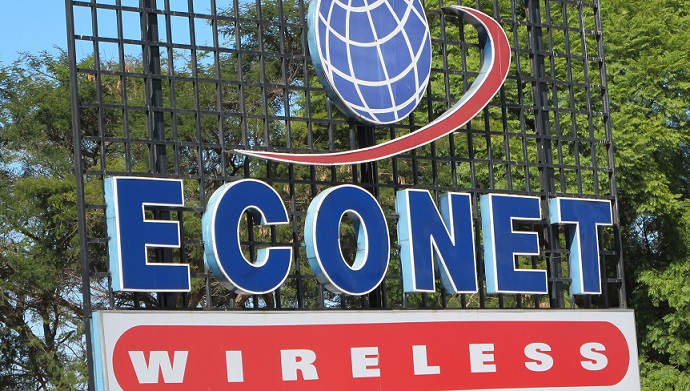
Did you remember that before MTN Nigeria, Airtel Nigeria, and Globacom became household names in Nigeria’s telecommunications sector, there was Econet Wireless Nigeria?
In the early 2000s, when mobile phones were still a luxury and landlines were unreliable for many Nigerians, Econet emerged as one of the pioneers that helped introduce the country to the GSM era. The company launched commercial GSM services in Nigeria in August 2001, marking a major turning point in how millions of people would communicate, do business, and stay connected.
At the centre of that milestone was Zimbabwean entrepreneur Strive Masiyiwa, the founder of the Econet Group and a visionary who believed Africa could build its own telecommunications infrastructure. As interim chief executive at the time, Masiyiwa personally made one of the first official GSM calls during the network’s launch, symbolising the beginning of Nigeria’s mobile communication revolution.
Although the telecom landscape has evolved dramatically since then, Econet’s early entry remains a defining chapter in Nigeria’s digital transformation.
The Visionary Behind Econet
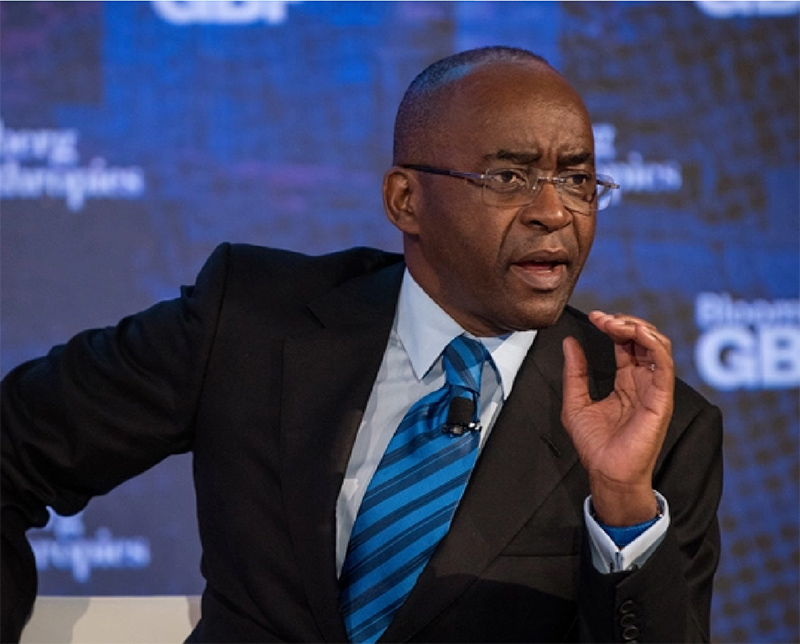
Strive Masiyiwa’s journey into telecommunications began long before Nigeria’s GSM rollout. Trained as an electrical engineer, the Zimbabwean businessman built his reputation by challenging state monopolies in the telecom sector and advocating for private investment in mobile networks across Africa.
In Zimbabwe, Masiyiwa spent years in a legal battle with the government over the right to establish a private telecom company. The case eventually reached the country’s highest court, which ruled in his favour and opened the telecommunications sector to private participation. The victory became a landmark moment for telecom liberalisation in Africa.
Following that breakthrough, Masiyiwa began expanding his company, Econet Global, into several markets across the continent. Nigeria, with its large population and strong entrepreneurial culture, quickly became one of the most attractive opportunities.
When Econet began recruiting in Nigeria ahead of its launch, the response reflected the country’s enormous talent pool. Masiyiwa later recalled being overwhelmed by thousands of highly qualified applicants eager to be part of the telecom revolution. For him, it was an early proof of Nigeria’s human capital and potential.
Read: How Adeola Ayoola Is Transforming Pharmacy Access in Africa
The Birth of Mobile Connectivity in Nigeria
When Econet Wireless Nigeria launched its GSM network in 2001, the mobile phone industry in the country was still in its infancy. Landline infrastructure was limited, and access to reliable communication remained a challenge for many households and businesses.
The arrival of GSM networks began to change that reality almost immediately. Econet’s rollout helped demonstrate how mobile technology could transform everyday life, enabling faster communication and supporting the growth of small businesses.
The company invested heavily in infrastructure, built technical teams, and worked to expand network coverage across key parts of the country. For many Nigerians, Econet was among the first brands that made mobile connectivity accessible.
As the market expanded, competition increased, and the telecom industry evolved rapidly. Over the years, the company went through several ownership transitions and brand changes, becoming Vmobile Nigeria, then Celtel, later Zain, and eventually Airtel Nigeria, the brand that operates in the country today.
Despite those changes, the early contribution of Econet remains an important part of Nigeria’s telecommunications history.
From Telecom Pioneer to Digital Infrastructure Investor
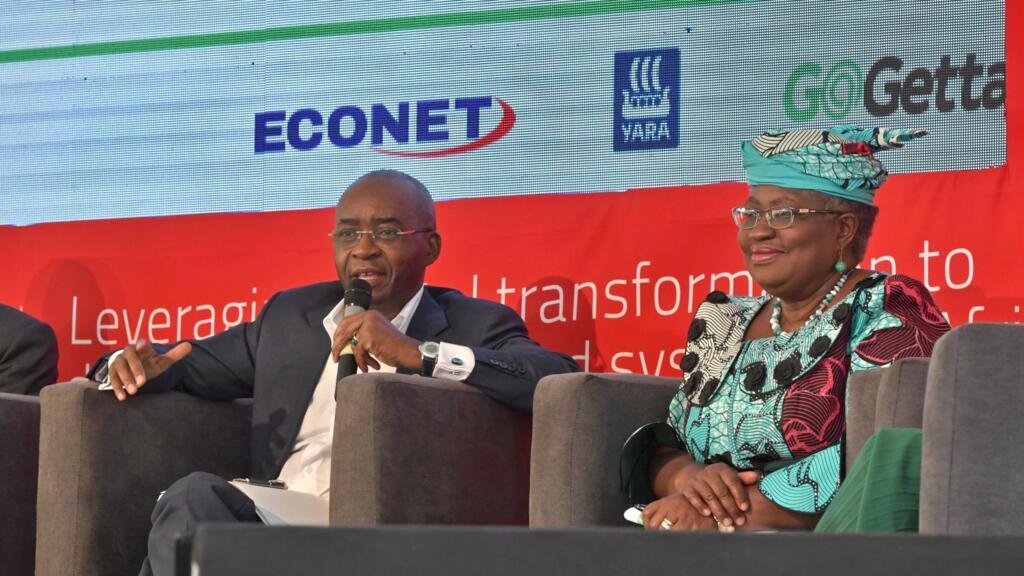
Although Masiyiwa eventually shifted his focus away from Nigeria’s mobile network operations, his involvement in Africa’s technology ecosystem continued to expand.
Through his technology group, Cassava Technologies, he has invested heavily in digital infrastructure across the continent. Its subsidiaries include Liquid Intelligent Technologies, one of Africa’s largest fibre-optic network providers, and Africa Data Centres, which is building modern data facilities across several African markets.
Nigeria remains part of that broader vision. Investments in data centres and digital infrastructure are helping support the growth of cloud computing, artificial intelligence, and digital services across the country.
For Masiyiwa, the goal has always been larger than building telecom companies. His focus has been on enabling Africa’s digital future by expanding the infrastructure that powers modern technology.
Read: Chimamanda Adichie joins global stars in Bvlgari Icons campaign
The Legacy of a Telecom Trailblazer
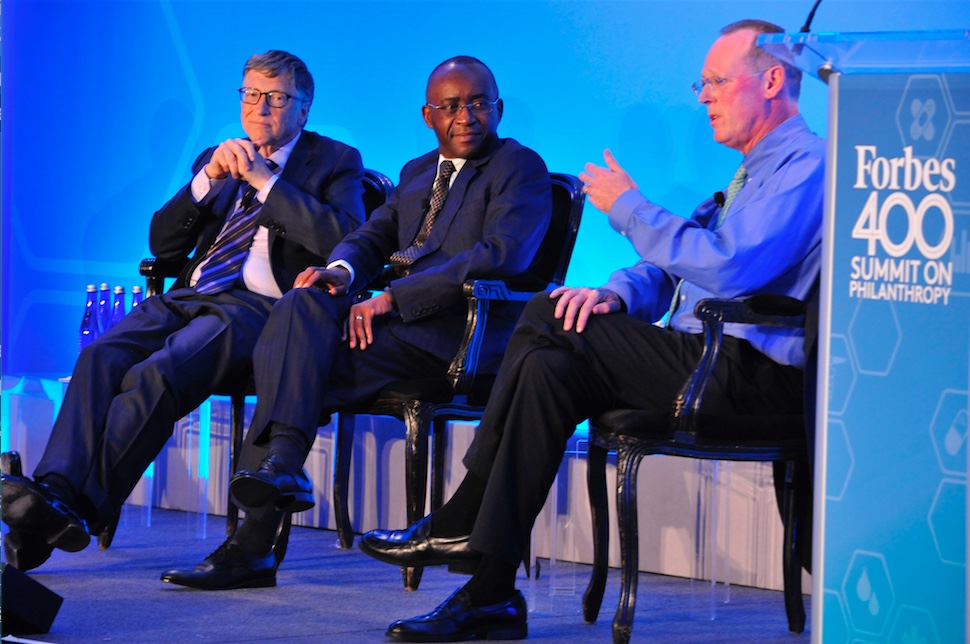
More than two decades after Econet’s launch, Nigeria has become one of Africa’s largest telecommunications markets, with hundreds of millions of mobile connections powering commerce, media, banking, and everyday communication.
While today’s industry is dominated by global telecom brands, the foundations were laid by early pioneers who believed the sector could transform African economies.
Strive Masiyiwa remains one of those pioneers. From launching one of Nigeria’s first GSM networks to investing in the continent’s digital infrastructure, his work continues to shape Africa’s technology landscape.
For more deep dives into the innovators, founders, and business leaders shaping Africa’s digital future, follow RefinedNG.