
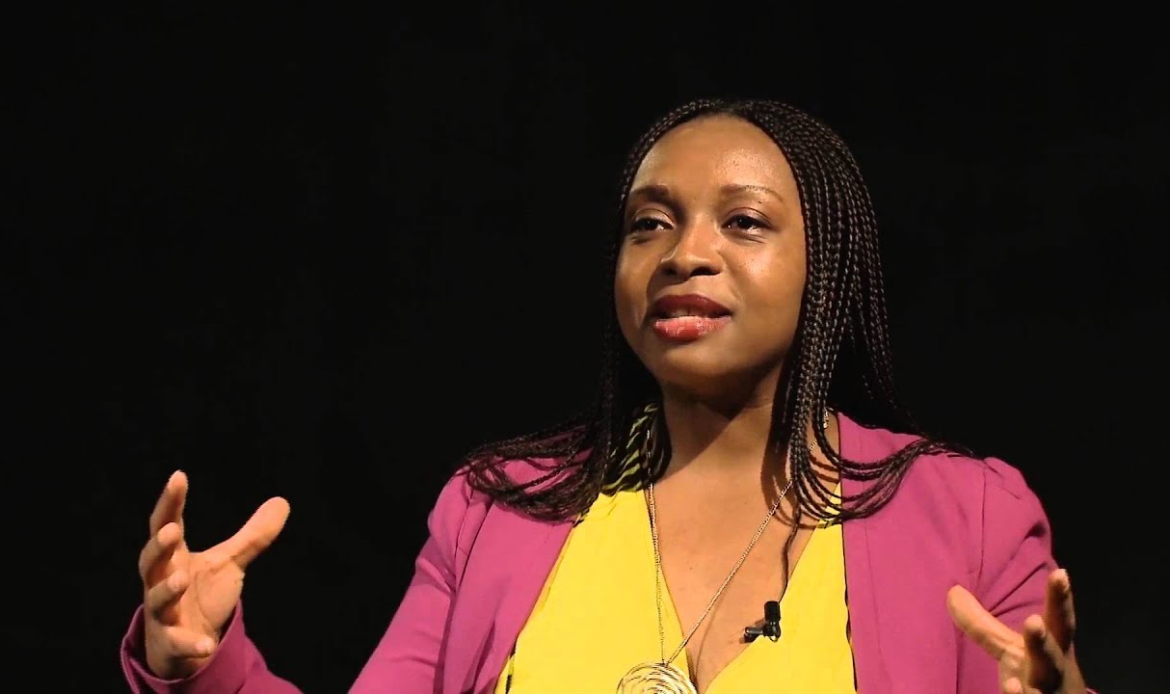
Yemisi Akinbobola’s story is one of someone who refused to stay in one box. She studied Creative Arts at the University of Maiduguri, later moved into media studies, earned a Master’s degree, completed a PhD in Media and Cultural Studies, and eventually became a respected academic and media entrepreneur in the United Kingdom.
But long before the titles and global recognition, she already understood something important about African storytelling: too many African stories were either misunderstood, ignored, or told without African voices at the center.
That understanding shaped much of her career.
Over the years, Yemisi has worked across journalism, research, teaching, media entrepreneurship, and advocacy, building a career that connects African storytelling with global conversations. Whether through academia or journalism, her work has consistently focused on representation, access, and creating opportunities for African voices to be heard properly.
Read: Vera Songwe: The Woman Who Helped Africa Speak the Language of Big Economics
The Investigation That Put Her Name on the Continental Map
In 2016, Yemisi Akinbobola gained continental recognition after co-winning the CNN African Journalist Award for sports reporting. But this was not the usual football success story people expected.
Instead of focusing on trophies or transfer headlines, the investigation exposed fake football agents trafficking young Nigerian players by selling false dreams to families desperate for opportunity.
It was the kind of story many people overlook because it sits in uncomfortable territory between sports, exploitation, poverty, and migration. Yet Yemisi and her team chose to dig deeper.
The investigation highlighted how vulnerable young athletes were being manipulated by individuals promising fake contracts abroad. Families spent money they could barely afford, while many players ended up stranded or abandoned.
What made the story stand out was not just the reporting itself. It was the intention behind it. Yemisi approached journalism as a tool for accountability and social impact, not simply attention.
That approach would later shape even bigger parts of her career.
Why She Decided African Women Needed Their Own Media Network
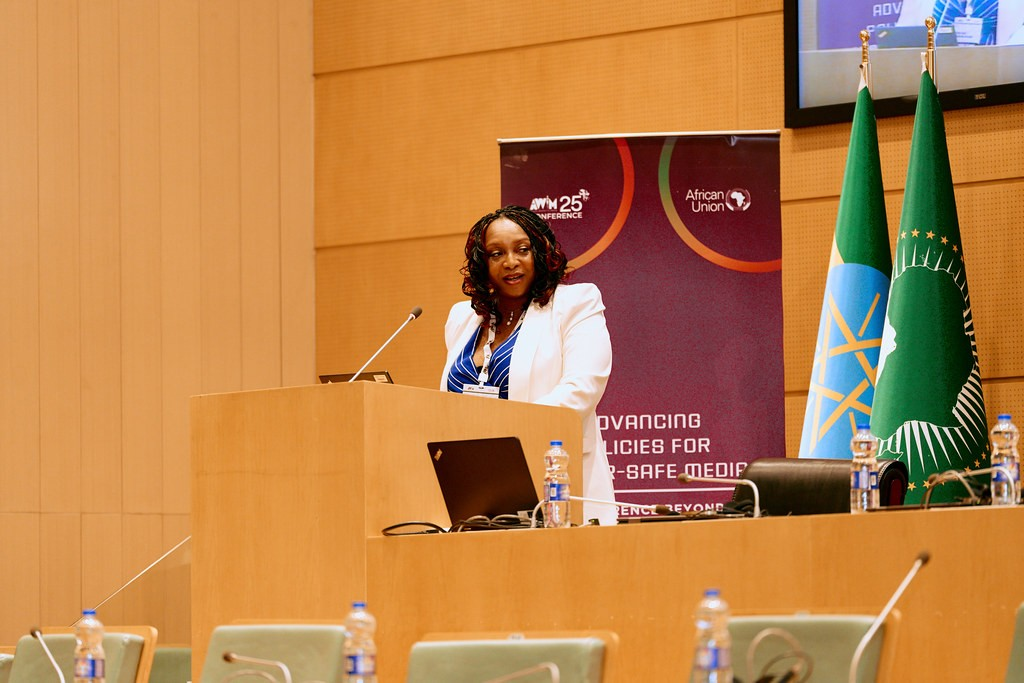
As Yemisi continued working across media spaces, she noticed a recurring pattern. African women in journalism and media were talented, visible, and hardworking, yet many still lacked equal access to leadership opportunities, funding, mentorship, and industry recognition.
Rather than waiting for the industry to change on its own, she decided to help build something different.
That decision led to the creation of African Women in Media (AWiM), a platform and global network supporting African women working across journalism, communications, filmmaking, broadcasting, digital media, and related industries.
What started as a response to a visible gap has grown into one of the most important media communities for African women globally.
Today, AWiM connects thousands of women across different countries and disciplines, creating opportunities for collaboration, training, networking, and professional development. Through conferences, advocacy work, partnerships, mentorship programs, and policy conversations, the organisation continues pushing for stronger representation and safer, more equitable media spaces.
One of the most interesting things about Yemisi’s journey is that she did not stop at identifying problems. She focused on building systems, platforms, and communities capable of creating long-term change. That mindset has made her influence stretch far beyond traditional journalism.
Read: The Artists Turning Everyday Nigerian Life Into Powerful Art
Building Conversations Beyond the Newsroom
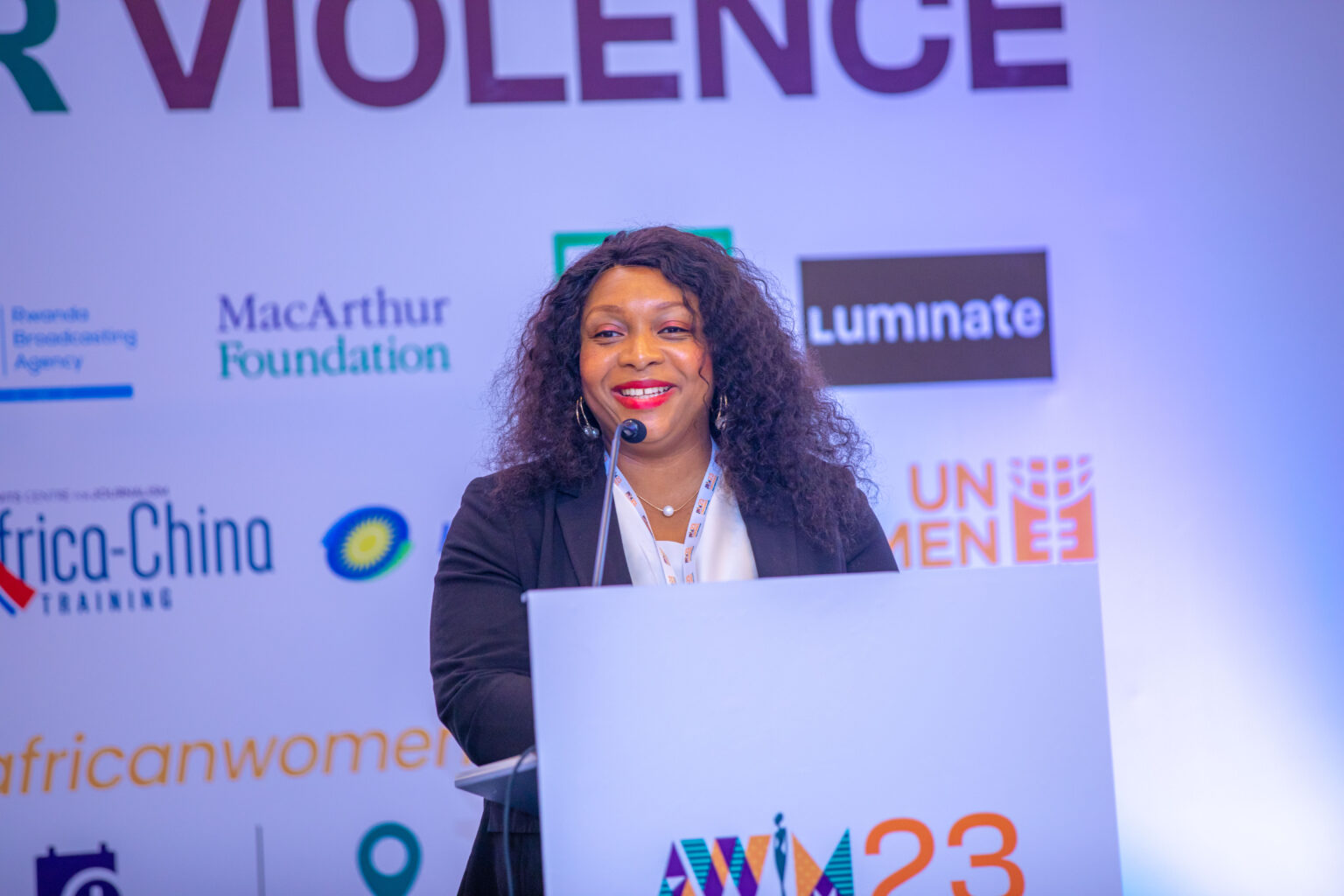
Today, Yemisi Akinbobola continues shaping conversations around media, gender, and African representation through multiple spaces. She serves as an academic at Birmingham City University, contributes to policy discussions across Africa, and hosts conversations that spotlight the realities African women face in media industries.
Her work has helped influence declarations around gender violence in media and press freedom across the continent. At the same time, she continues mentoring younger professionals and creating spaces where African women can lead conversations instead of simply participating in them.
In many ways, Yemisi’s career shows that media influence is not only about breaking news. Sometimes, it is about changing who gets access to the microphone in the first place.
For more spotlight stories on Africans shaping media, business, technology, culture, and leadership across the continent, follow RefinedNG and stay connected to the voices driving meaningful change across Africa.