
Before artworks end up in galleries, private collections, Pinterest boards, or social media reposts, they usually begin somewhere. A memory, feeling, or a moment that refuses to leave someone’s mind. Sometimes it is the chaos of Lagos traffic. Sometimes it is silence. Sometimes it is womanhood, resilience, spirituality, pressure, healing, identity, or simply the unnoticed emotions people carry every day.
That is what makes emerging artists interesting. Their work often feels close to real life because they are still creating from places that are deeply personal, raw, experimental, and emotionally honest.
The artists featured at CraftVantage are not simply creating beautiful works. They are documenting experiences, translating emotions, and challenging audiences to look closer at the world around them.
And each artist is doing that in a completely different way.
The Artists Making People Feel Seen Without Saying Too Much
Some artists speak loudly through colour and movement. Others quietly capture emotions people struggle to explain.
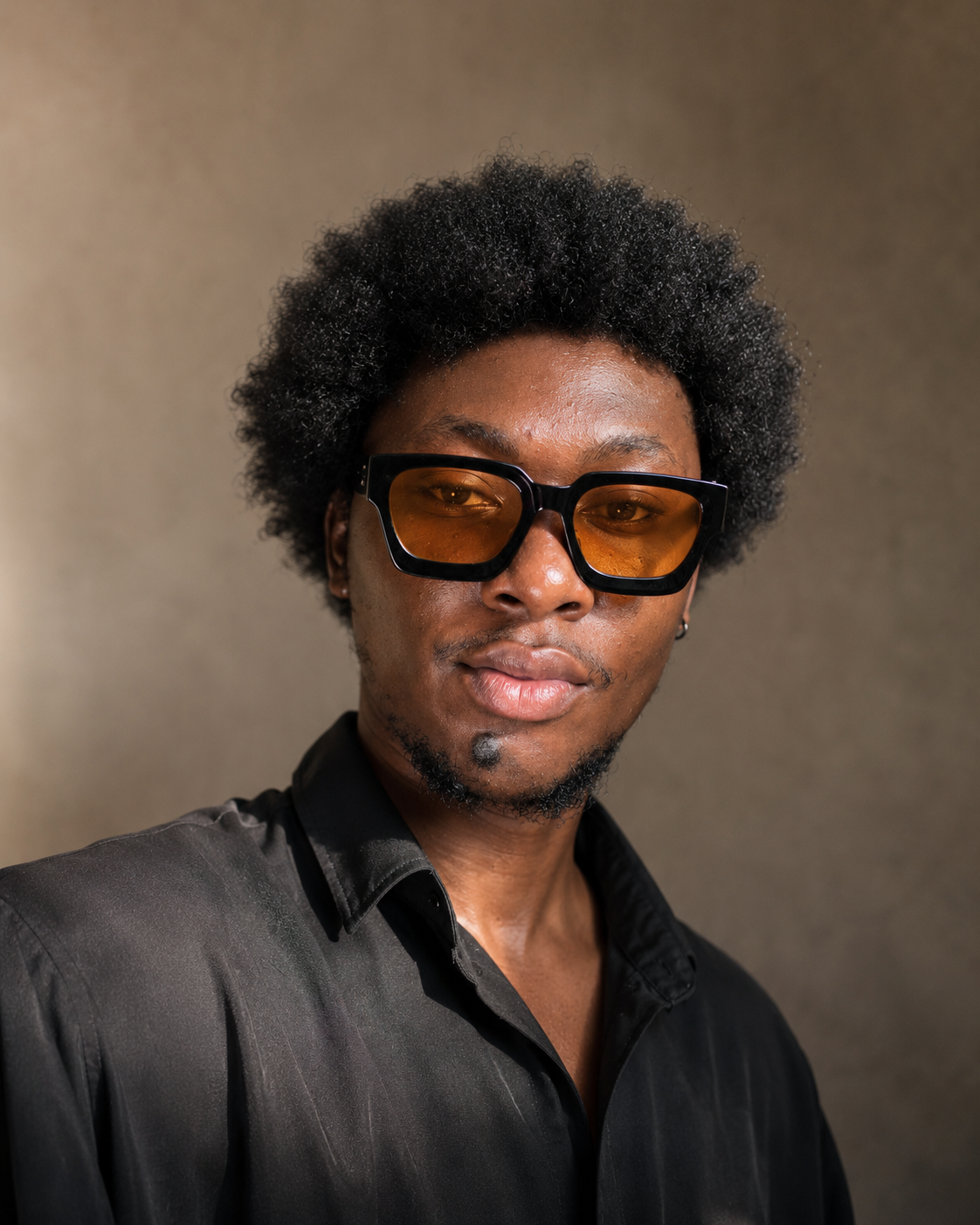
For artists like Utubor Shadrach Melvin, painting becomes a way of capturing the unnoticed moments people experience every day but rarely pause to think about. His expressive figurative style focuses heavily on gesture, movement, emotion, and the invisible relationship between physical and spiritual experiences. His work feels alive, almost like the canvas itself is still moving.
Read: Meet the Minds Behind the CraftVantage Vision
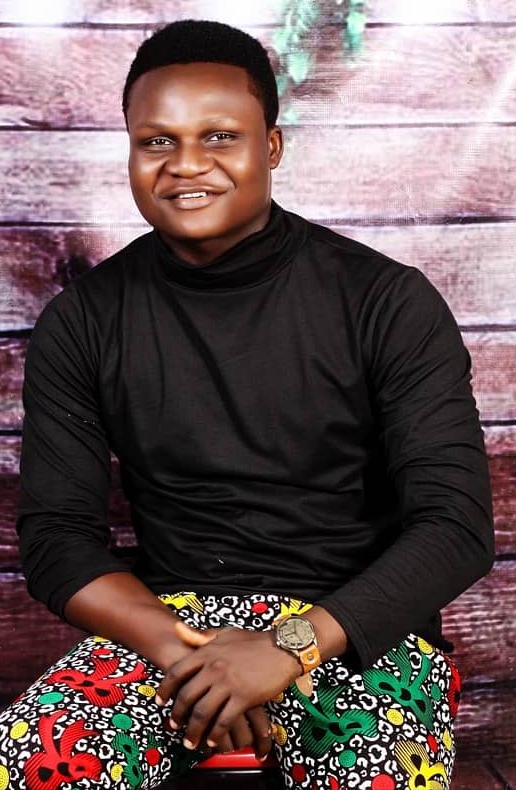
Afolabi Samuel approaches storytelling differently. Inspired by urban environments and Yoruba heritage, his paintings explore everyday Nigerian life with emotional honesty and bold compositions. There is familiarity in his work, the kind that makes viewers stop and think, “I know this feeling.”
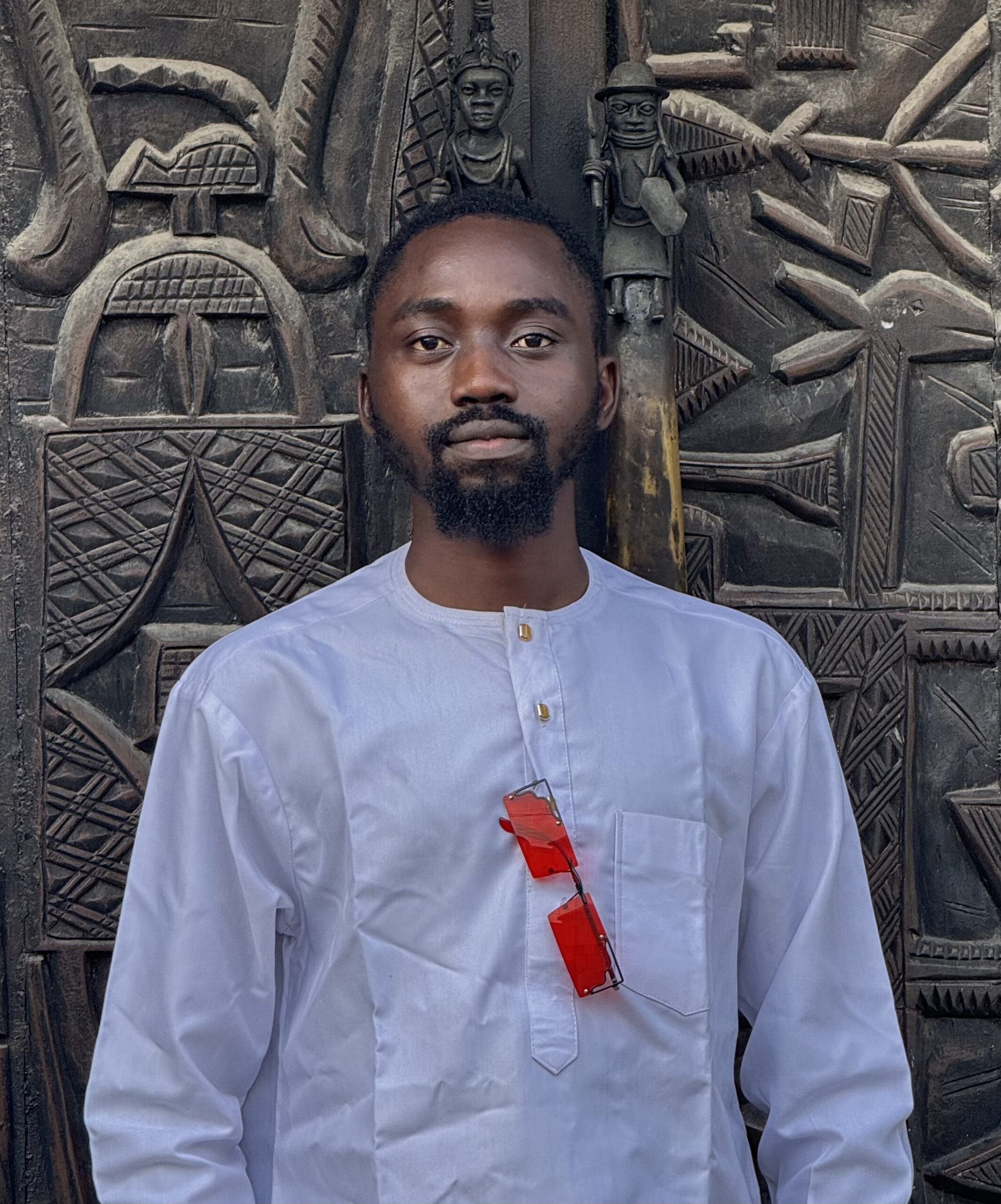
Nasir Adamu’s expressionist style leans into identity and perspective. His work carries emotional intensity while reflecting cultural influences and personal experiences that shape how he sees the world. Rather than simply painting subjects, he creates atmosphere and emotional tension within the canvas itself.
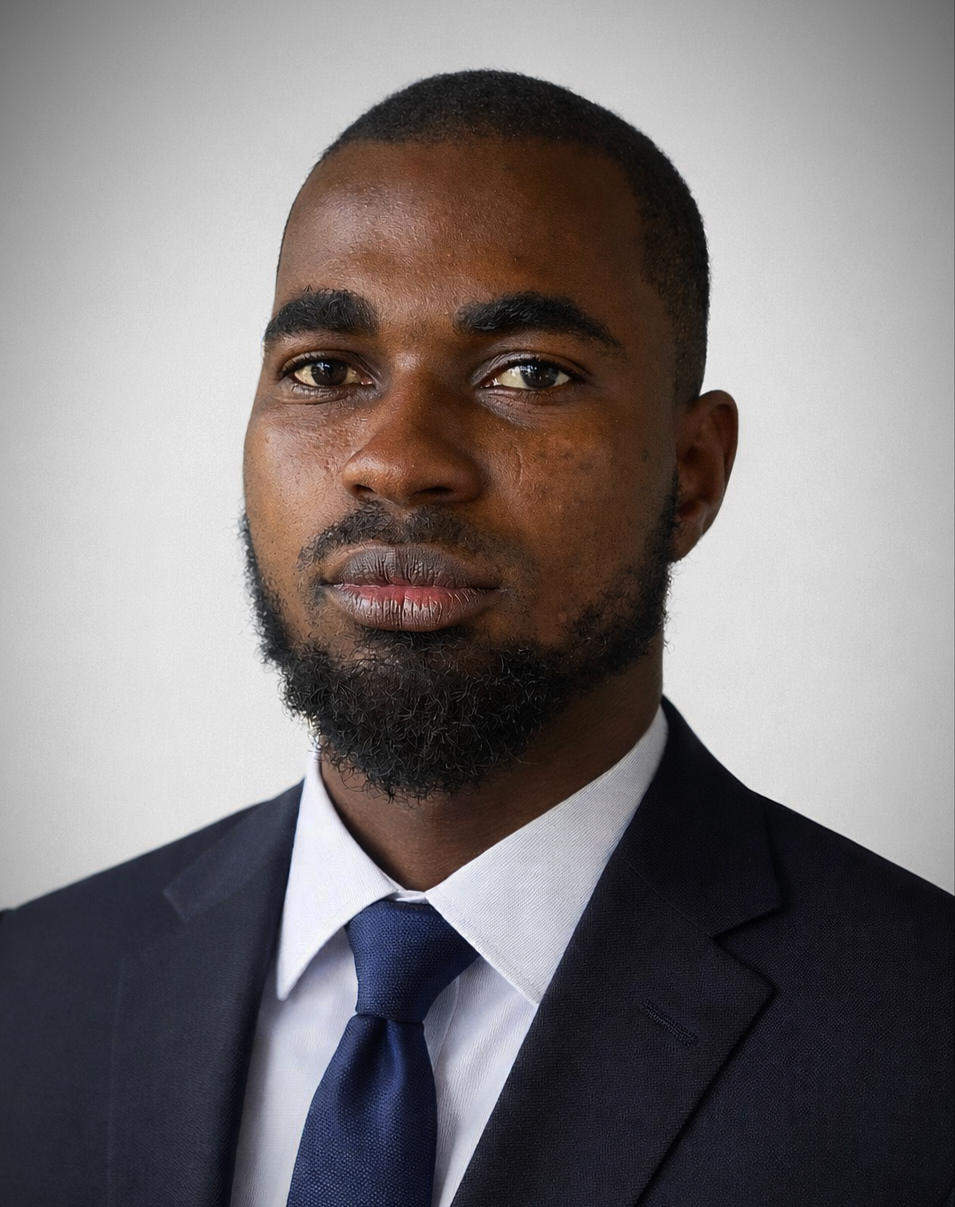
For Johnson Oyekale Oluwatobi, emotion becomes visible through layered textures, expressive forms, and bold strokes. His paintings explore African identity and human emotion in ways that feel reflective, intimate, and deeply human.
Together, these artists remind viewers that contemporary Nigerian painting is becoming less about perfection and more about emotional presence.
Read: The Gap Between Art School and Sustainable Artistic Careers
Some Artists Paint Stories. Others Build Them With Their Hands
While some artists communicate through paint, others use physical materials to construct meaning itself.
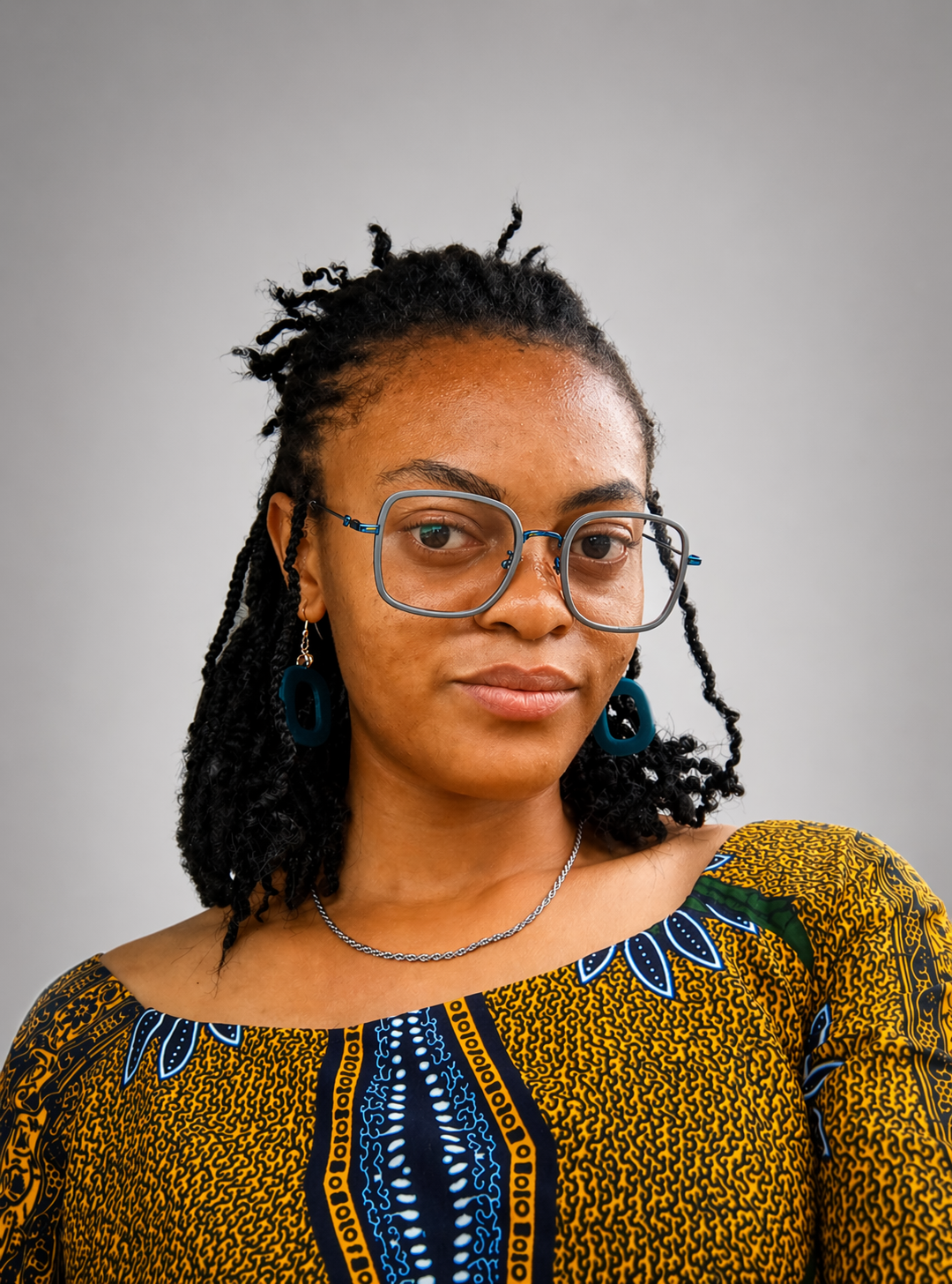
Izuka Joy Chidinma works across sculpture, installation, and mixed media using materials like fibreglass, metal, wood, clay, and plaster. Her work carries themes of hope, healing, and cultural preservation while balancing strength with subtlety. There is a sense that every material she touches becomes part of a larger emotional conversation.
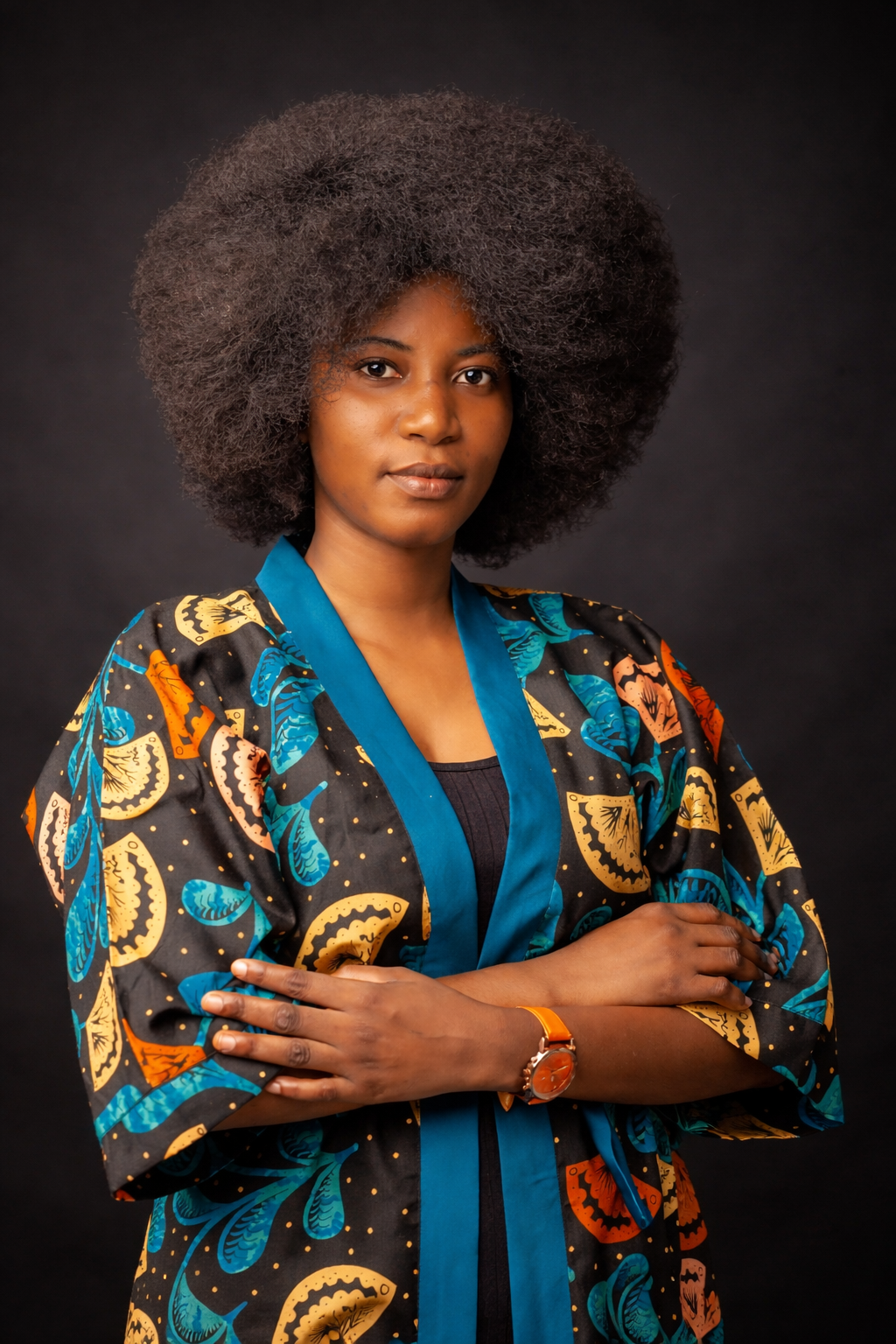
Oloruntobi Bolaji Esther’s practice feels almost archaeological in its approach to storytelling. Using wood, resin, clay, metal, and found objects, she explores resilience, womanhood, culture, and restoration. What makes her work especially compelling is how discarded or overlooked materials are transformed into something emotionally powerful.
In her hands, waste becomes memory, textures become storytelling, and materials become evidence of survival and renewal.
And that transformation says something important about the direction many young Nigerian artists are beginning to take creatively.
Why Discovering Emerging Artists Early Matters
There is something exciting about encountering artists before the wider world fully catches on to them. You experience the honesty in the work, you notice experimentation in real time, and you witness artists still shaping their visual language and creative identity.
That is part of what makes exhibitions like CraftVantage important.
They create room for discovery, conversation, connection, and reflection while introducing audiences to artists helping shape the future of contemporary Nigerian creativity.
Sometimes, the most memorable artworks are not the ones everybody already knows. They are the ones you discover first.