
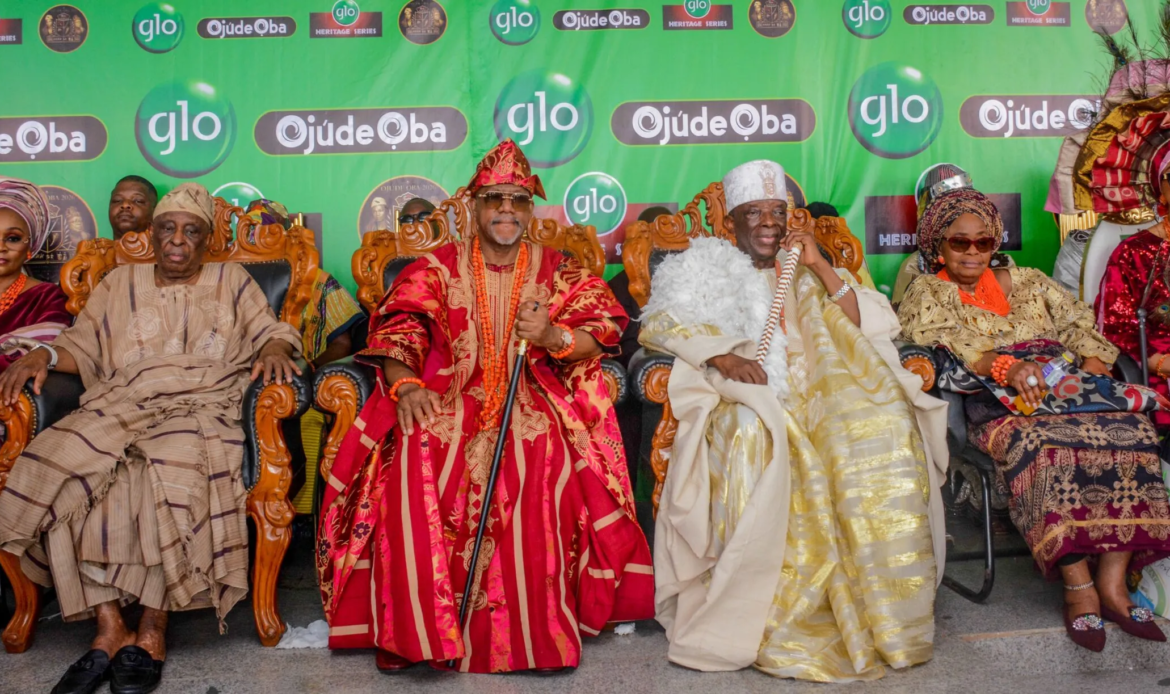
The ancient town of Ijebu-Ode came alive once again as thousands gathered for the 2026 Ojude Oba Festival, one of Nigeria’s most celebrated cultural events. From colourful age-grade parades to majestic horse-riding displays, the festival delivered everything people have come to expect and more.
This year’s edition carried extra emotional weight. It was the first Ojude Oba celebration since the passing of the revered Awujale of Ijebuland, Oba Sikiru Kayode Adetona, whose remarkable reign lasted 65 years.
Despite concerns that the event might be affected by the transition, the festival went ahead successfully, proving that traditions built on community and identity can endure across generations.
A Festival That Refused to Pause
In the months leading up to Ojude Oba 2026, many wondered whether the festival would maintain its usual grandeur without the presence of the late Awujale. Those concerns quickly disappeared as Ijebu-Ode welcomed visitors from across Nigeria and the diaspora.
Organisers revealed that the late monarch had expressly stated that the festival should never be suspended during any period of transition. That message shaped the mood of the event. Rather than becoming a moment of uncertainty, Ojude Oba 2026 evolved into a celebration of continuity.
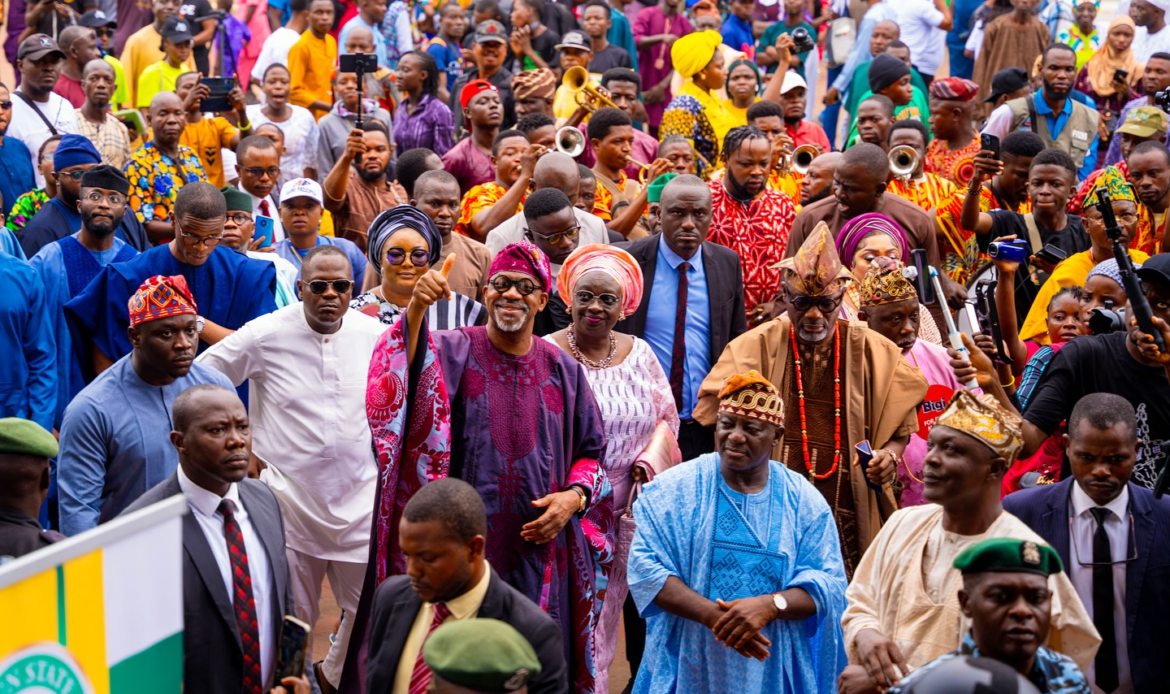
Governor Dapo Abiodun described the festival as a symbol of unity, peaceful coexistence, and cultural pride. Throughout the day, there was a strong sense that participants were not only celebrating tradition but also honouring a legacy that helped elevate Ojude Oba into a globally recognised cultural event.
Read: 5 Things We Love About the Ojude Oba Festival
The Colours, Fashion and Regberegbe Magic
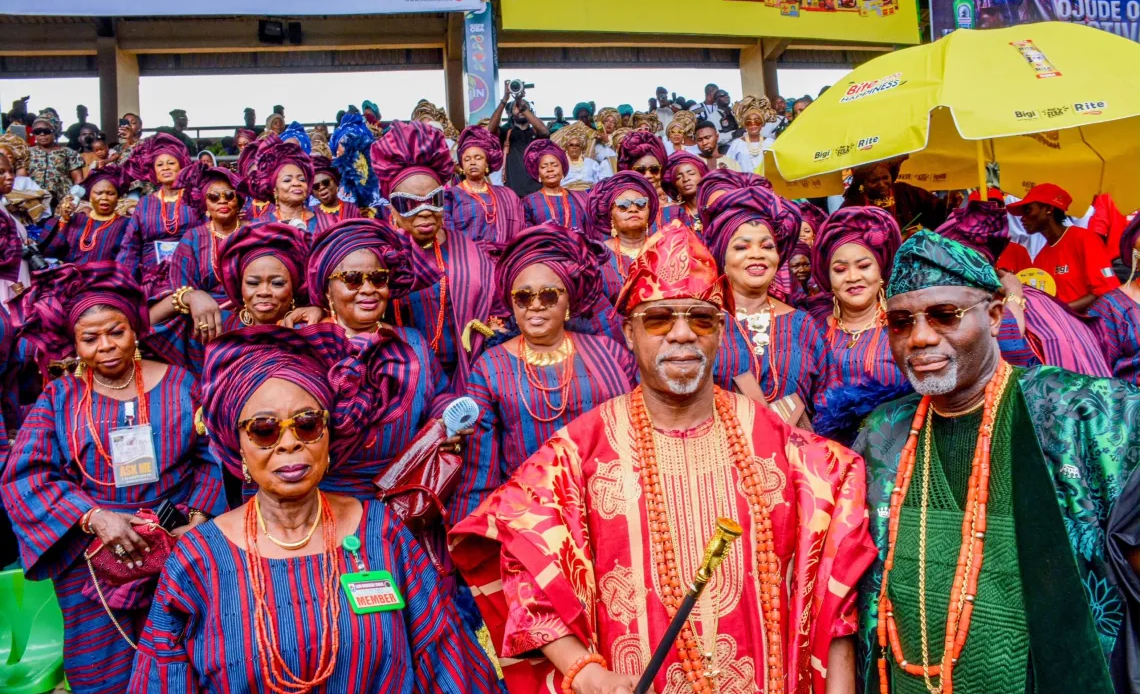
If there is one thing Ojude Oba never lacks, it is style. The festival grounds became a moving exhibition of fashion as Regberegbe age-grade groups arrived in coordinated outfits that combined creativity, elegance and cultural identity. Richly embroidered aso-oke fabrics, elaborate headgear and carefully designed accessories transformed every procession into a visual masterpiece.
The Regberegbe groups once again proved why they remain among the biggest attractions of the festival. Their disciplined parades showcased years of preparation and a deep commitment to preserving Ijebu traditions.
Celebrities, including Ibrahim Chatta, Taiwo Hassan, Rotimi Salami, Eniola Badmus, and other notable personalities, added even more excitement to the atmosphere. Meanwhile, social media platforms were flooded with photos and videos, helping the festival reach audiences far beyond Nigeria’s borders.
Horses, Prestige and Cultural Competition
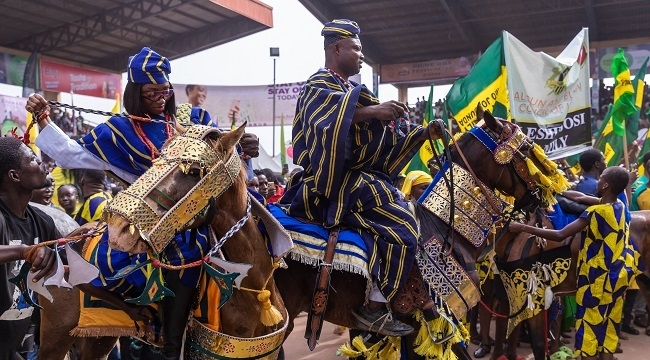
Another major highlight was the famous horse-riding procession. Families known for their equestrian heritage arrived with impressive displays that drew cheers from spectators. The Balogun Kuku family emerged victorious in the Eleshin competition, while several other prominent families showcased their horses in a display of prestige and cultural pride.
One of the biggest talking points was the spectacular appearance of the Adesoye Dynasty, which reportedly paraded about 40 horses. Their procession, accompanied by actors Ibrahim Chatta and Taiwo Hassan, attracted huge crowds and became one of the defining moments of the festival.
The competitive spirit extended to the Regberegbe contests, where winners received cash prizes sponsored by Globacom. These competitions continue to inspire excellence while preserving traditions that have been passed down for generations.
Read: The Legendary History Behind Ojúde Ọba
More Than a Festival: A Boost for Tourism and Business
Beyond the colourful displays, Ojude Oba remains an important economic event.
Hotels recorded high occupancy levels, local artisans enjoyed increased demand, and businesses across Ijebu-Ode benefited from the influx of visitors. Fashion designers, photographers, transport operators, and food vendors all experienced the ripple effects of the celebration.
As the festival continues to attract international attention, it is increasingly becoming both a cultural treasure and an economic asset. Ojude Oba demonstrates how heritage can create opportunities, support local communities, and strengthen tourism in meaningful ways.
Nigeria’s cultural heritage remains one of its greatest strengths. Follow RefinedNG for more stories that spotlight the traditions, people, and events shaping Africa’s rich and diverse identity.