
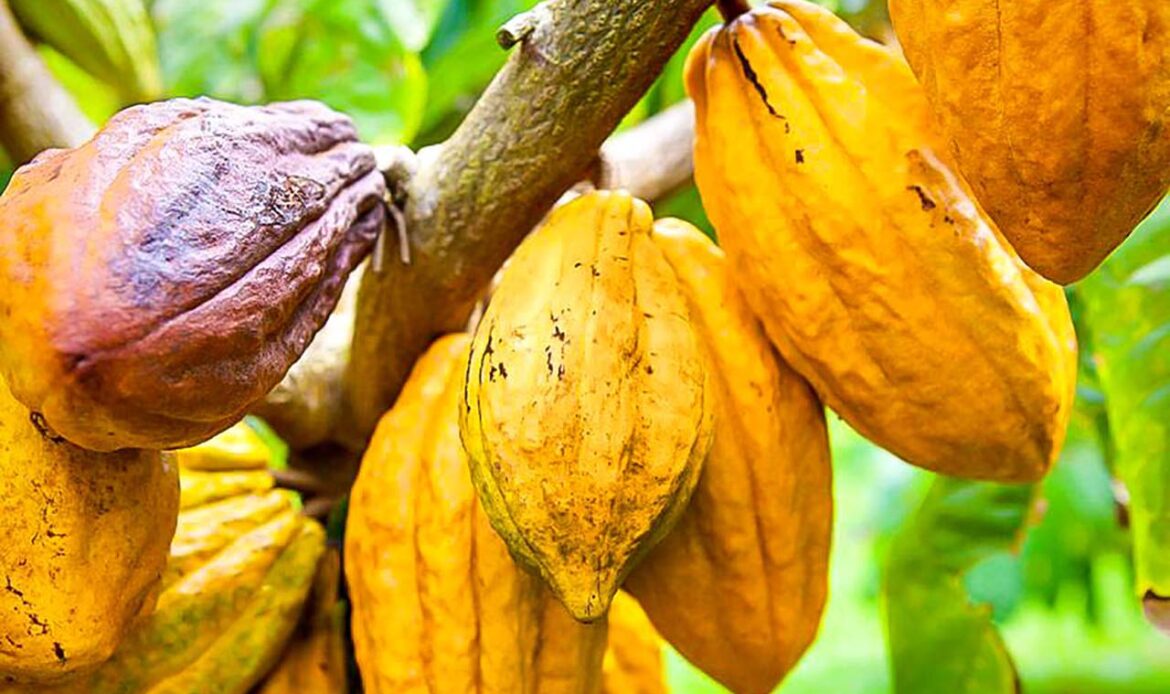
Chocolate is one of the most loved treats in the world. From chocolate bars to cakes and hot drinks, millions of people enjoy it every day. Yet very few people stop to think about where the key ingredient, cocoa, actually comes from.
Here is a surprising fact: the country responsible for producing the largest share of the world’s cocoa is Côte d’Ivoire. This West African nation supplies roughly 40 to over 50 percent of the global cocoa supply. In simple terms, there is a strong chance that the chocolate you enjoy today started its journey on a cocoa farm in Côte d’Ivoire.
But how did this country become the centre of the global cocoa industry?
Largest Producer By Every Measurement
Côte d’Ivoire is the undisputed leader in global cocoa production. Each year, the country produces more than 2.2 million tonnes of cocoa beans. This figure places it far ahead of any other cocoa-producing nation.
The second-largest producer is neighbouring Ghana, which produces around 650,000 to 750,000 tonnes annually. While Ghana also plays a major role in the cocoa industry, Côte d’Ivoire still produces several times more cocoa each year.
Together, these two West African nations dominate the global cocoa market. Their combined production accounts for a large share of the cocoa traded around the world.
For Côte d’Ivoire, cocoa is more than just an export crop. It is a major part of the country’s economy and a source of livelihood for millions of farmers and their families.
Read: Why Benue is Nigeria’s Food Basket
Cocoa Is a West African Story
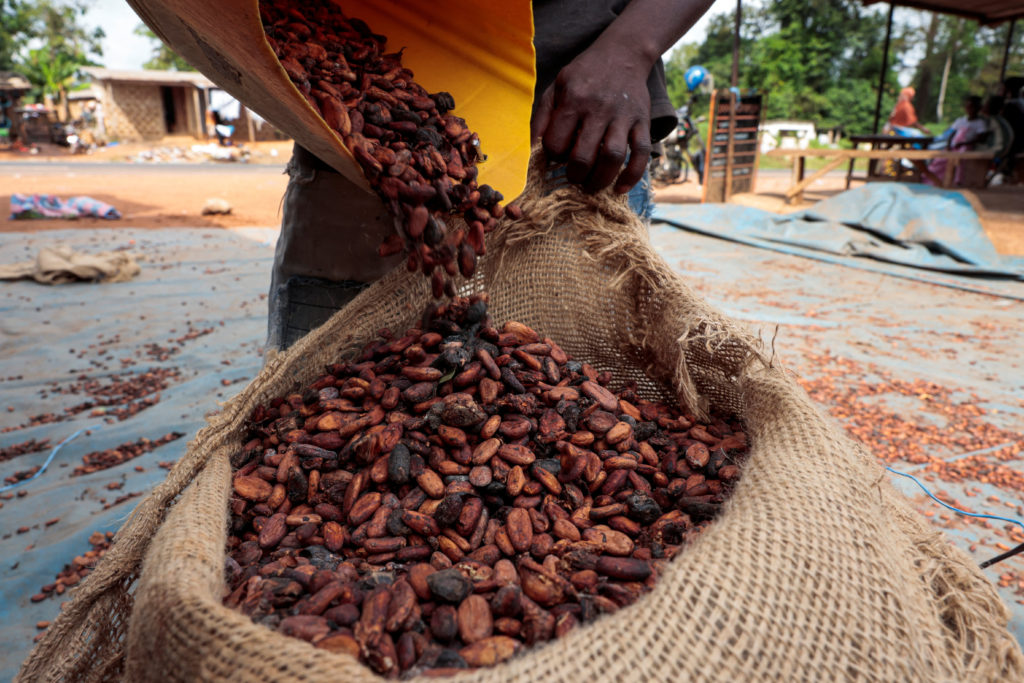
While Côte d’Ivoire leads the pack, the story of cocoa is largely a West African one. The region produces roughly two-thirds of the world’s cocoa supply, making it the heart of the global chocolate industry.
Several other African countries also contribute to cocoa production. Cameroon and Nigeria are important producers, though their output is smaller compared to Côte d’Ivoire and Ghana.
Beyond Africa, countries like Ecuador and Indonesia also grow cocoa and supply international markets. Even so, West Africa remains the dominant force in global production.
Most cocoa farms in the region are small family farms rather than large industrial plantations. Farmers carefully grow cocoa trees, harvest the pods, and dry the beans before selling them to buyers who export them around the world.
But the journey of cocoa does not stop at the farm.
From Cocoa Beans to Chocolate Bars
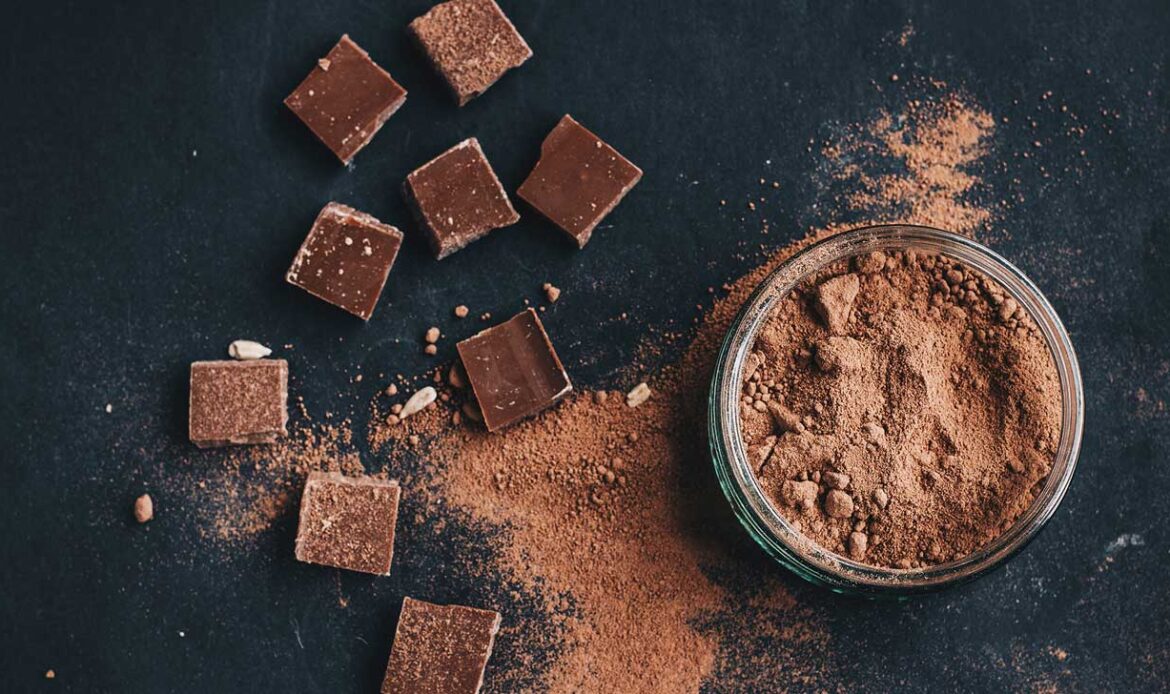
After cocoa beans are harvested and dried, they begin a long journey across continents. The beans are shipped to processing centres where they are turned into cocoa mass, cocoa butter, cocoa powder, and eventually chocolate.
Interestingly, much of this processing happens outside the countries that grow the cocoa. Europe plays a major role in this stage of the industry.
In fact, about one-third of the world’s cocoa beans are processed in Europe. Countries such as the Netherlands handle huge volumes of cocoa each year, grinding the beans into ingredients used in chocolate products.
This means that although cocoa is grown mainly in countries in the Global South, much of the value-added production takes place in other parts of the world. The finished chocolate products are then exported globally and enjoyed by consumers everywhere.
Why Cocoa Still Matters Today
Cocoa continues to play an important role in the global economy. Demand for chocolate remains strong, and millions of farmers depend on cocoa cultivation for their income.
Over the past four decades, global cocoa production has steadily increased as demand for chocolate products grows. At the same time, cocoa prices can rise or fall depending on several factors.
Weather conditions, political developments, and the size of annual harvests can all affect how much cocoa reaches international markets. Because Côte d’Ivoire and Ghana produce such a large share of the global supply, developments in these countries often influence cocoa prices worldwide.
For many communities in West Africa, cocoa farming remains both an economic backbone and a link to the global marketplace.
Read: 5 Things You Didn’t Know About Pottery in Nigeria
A Small Bean with a Global Story
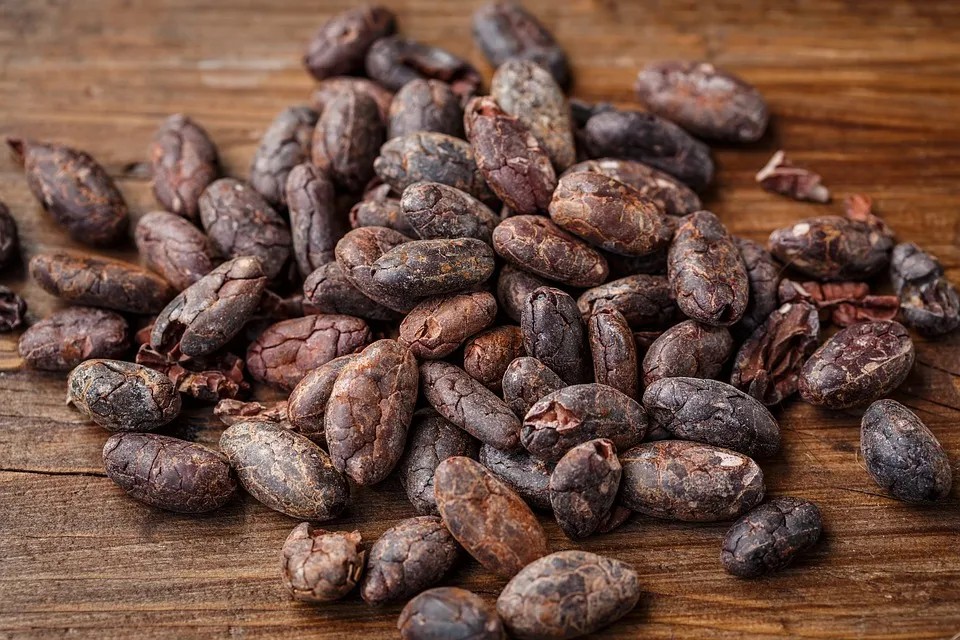
The next time you unwrap a chocolate bar, remember that its story likely began thousands of kilometres away on a cocoa farm in Côte d’Ivoire. From small farms in West Africa to factories in Europe and shelves around the world, cocoa connects farmers and consumers in a remarkable global chain.
It is a powerful reminder that even the smallest bean can shape an industry enjoyed across continents.
For more insightful stories about Africa’s industries, innovations, and global impact, follow RefinedNG and stay connected with the stories shaping the continent.