
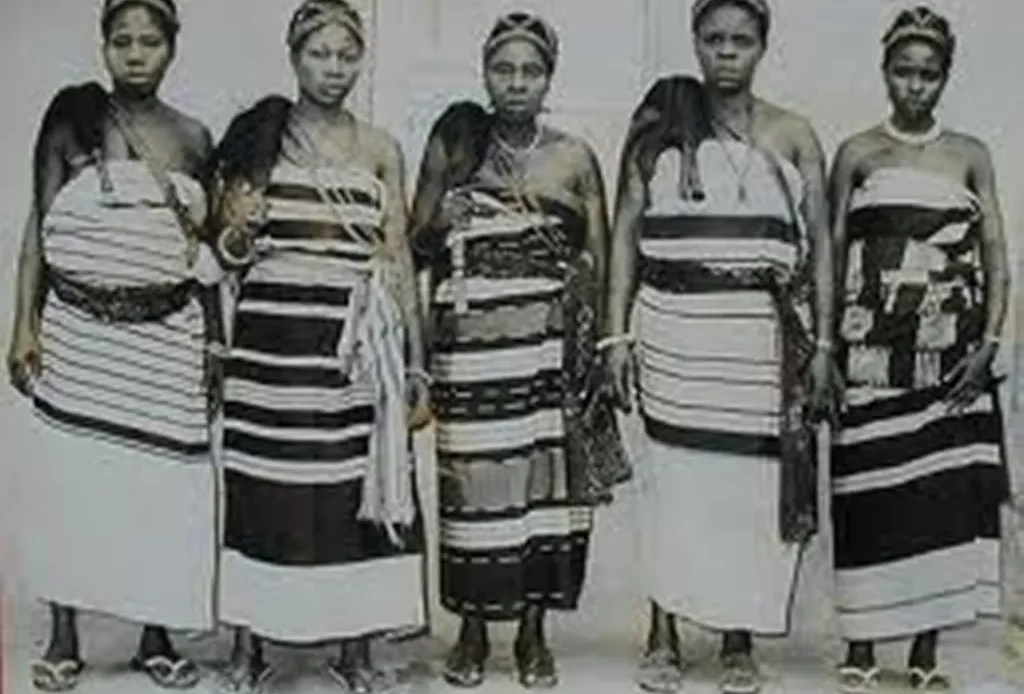
When you think of traditional marriage in African cultures, your mind likely pictures a man, his bride, and the ceremonies that follow. But what if we told you that in some parts of Igboland, a woman can traditionally marry another woman—and it is considered completely legitimate? No, this isn’t a modern twist or a Western import. It’s a cultural practice that has existed for centuries. Welcome to the world of woman-to-woman marriage in Igbo tradition—a part of African heritage that challenges assumptions and offers a broader understanding of gender roles and family.
What Is Woman-to-Woman Marriage in Igbo Culture?
In certain Igbo communities, it is not uncommon for a woman to marry another woman in a fully recognized traditional ceremony. The practice known as “woman marriage” is not based on romantic or sexual relationships; instead, it focuses on preserving family lineage, social roles, and inheritance structures.. The woman who marries the other woman takes on the role of a “female husband,” a socially constructed identity that transcends biological gender.
Many people view the marriage as legally binding, culturally accepted, and functionally significant within the community. It follows the same ceremonial and legal standards as a man marrying a woman.
Read: The Importance of Oji (Kola Nut) in the Igbo Culture
Why Did This Practice Emerge?
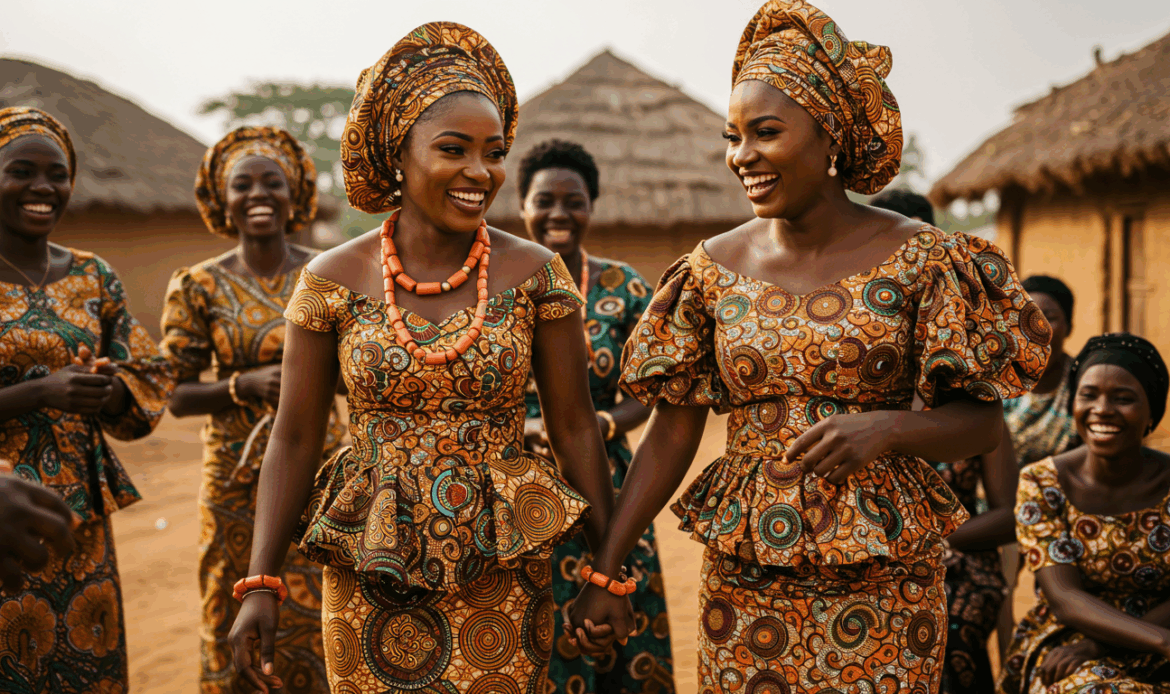
The roots of this tradition lie in the needs of the family and society. In Igbo culture, lineage and legacy are everything. A family without a male heir is at risk of disappearing from ancestral memory and losing claims to inheritance.
When a woman has no children, especially no male children, or if she becomes widowed, she may choose to marry a younger woman to continue her lineage.The younger wife would have children for her, and those children would belong to the female husband’s lineage.
It wasn’t just about childbearing. Women who had achieved economic success often married wives to assert their status in the community—mirroring how wealthy men traditionally took multiple wives to showcase influence. It was also a practical solution to inheritance laws that favored male heirs.
How Does It Work? The Marriage Process
The procedure mirrors a traditional Igbo marriage between a man and a woman.
- Informing the Family: The woman announces her intention to marry a wife to her family, specifically the Ummuna (patrilineal kin group).
- Introduction Ritual: She and her representatives visit the family of the intended bride in a ritual known as ikụ aka n’ụzọ.
- Bride Price & List: The bride’s family provides a list of items needed for the dowry. These include yams, wrappers, drinks, snuff, and other symbolic gifts.
- Background Checks: Both families conduct a thorough investigation (ijụ ajụjụ) to ensure there are no histories of ostracism, illness, or crime.
- Payment & Blessing: After the bride price (ểkwụ ểgwụ isi nwaanyi) is paid, a respected male figure (sometimes even the deceased husband of the female husband) blesses the union. The new wife then leaves her home to start a life with her female husband.
The woman-husband assumes all responsibilities, from provisioning to social representation. The wife is expected to have children with a chosen male, who steps away after conception. The family of the female partner raises the children, and they inherit her lineage.
Who Are the ‘Husbands’? Who Are the ‘Wives’?
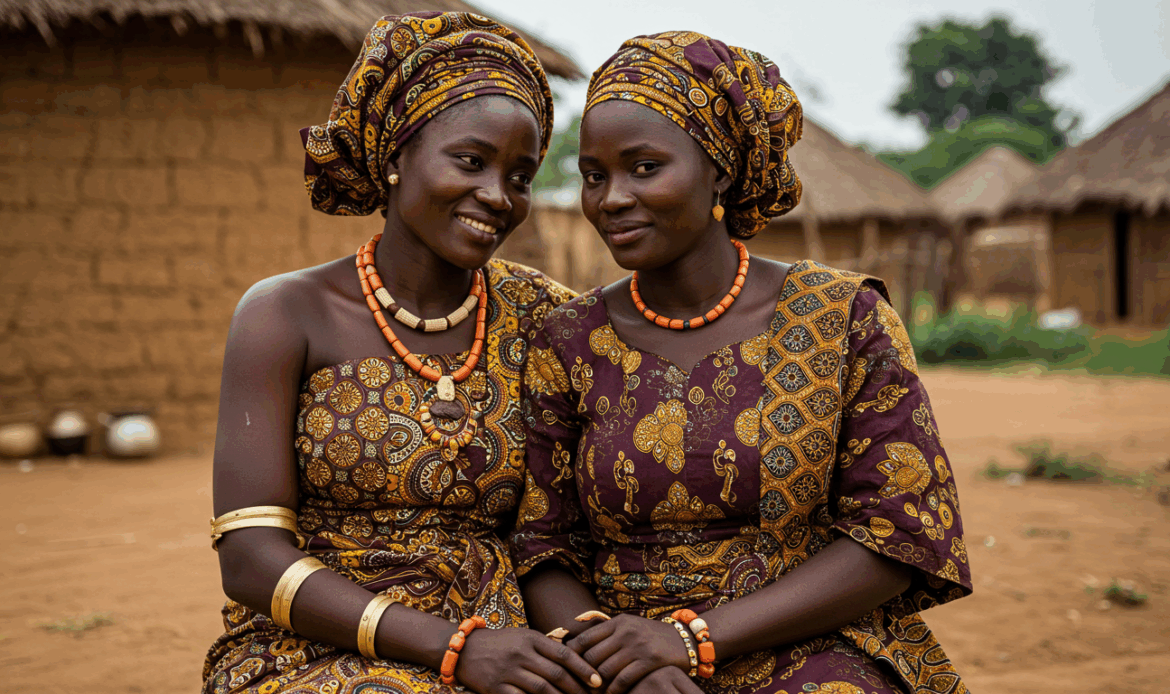
This dynamic may seem confusing at first, but it follows a clear social logic. The woman-husband acts in every way a male head of household would—financially, socially, and in matters of inheritance.
The woman-wife bears children, manages the home, and supports the family structure. However, procreation involves a consensual agreement with a man, whose only role is to provide the biological means for children. He has no legal or familial rights over the children born from the union.
This arrangement was not about sexual preference or identity but societal functionality. However, it still reveals a cultural openness to non-binary roles long before such ideas became mainstream in global conversations.
Where Is This Practised?
Culturally, several parts of southeastern Nigeria recognize woman-to-woman marriage.
- Nnewi in Anambra State
- Ngwa clan in Abia State
- Okrika in Rivers State
It also appears in other African regions: Among the Kalabari people of the Niger Delta. In Ghana, among the Akan, Fante, Lobi, Baga, and Nankani groups.
These practices show that gender flexibility in marriage is not an anomaly but a cultural adaptation across various African communities.
Myths vs. Facts: Setting the Record Straight
Myth: Same-gender marriage is un-African.
Fact: Woman-to-woman marriage existed in Africa long before colonial rule or Western influence.
Myth: These marriages are based on romantic attraction.
Fact: These unions are about lineage, inheritance, and social responsibility, not sexual orientation.
Myth: Only men could pay bride price.
Fact: Female husbands were culturally and socially recognized once they completed traditional rites, including paying bride price.
What Can We Learn from This?
Read: Oja: The Igbo Speaking Flute
These practices show that African societies were often more nuanced about gender, identity, and family than they are often given credit for. In a world where we are revisiting outdated assumptions about gender roles, the Igbo tradition of woman-to-woman marriage serves as a reminder that flexibility, practicality, and communal logic often guided African family structures.
Rather than seeing these practices as anomalies, we should recognize them as testaments to the cultural richness and adaptability of African traditions.
Culture Is Not One-Dimensional
So, did you know that in parts of Igboland, a woman could marry another woman and raise children together as a family? Far from being taboo, this practice was not only accepted but respected.
African traditions are layered, fluid, and deeply pragmatic. In rediscovering them, we don’t just honor the past—we expand our understanding of what it means to belong, to love, and to lead a family.