
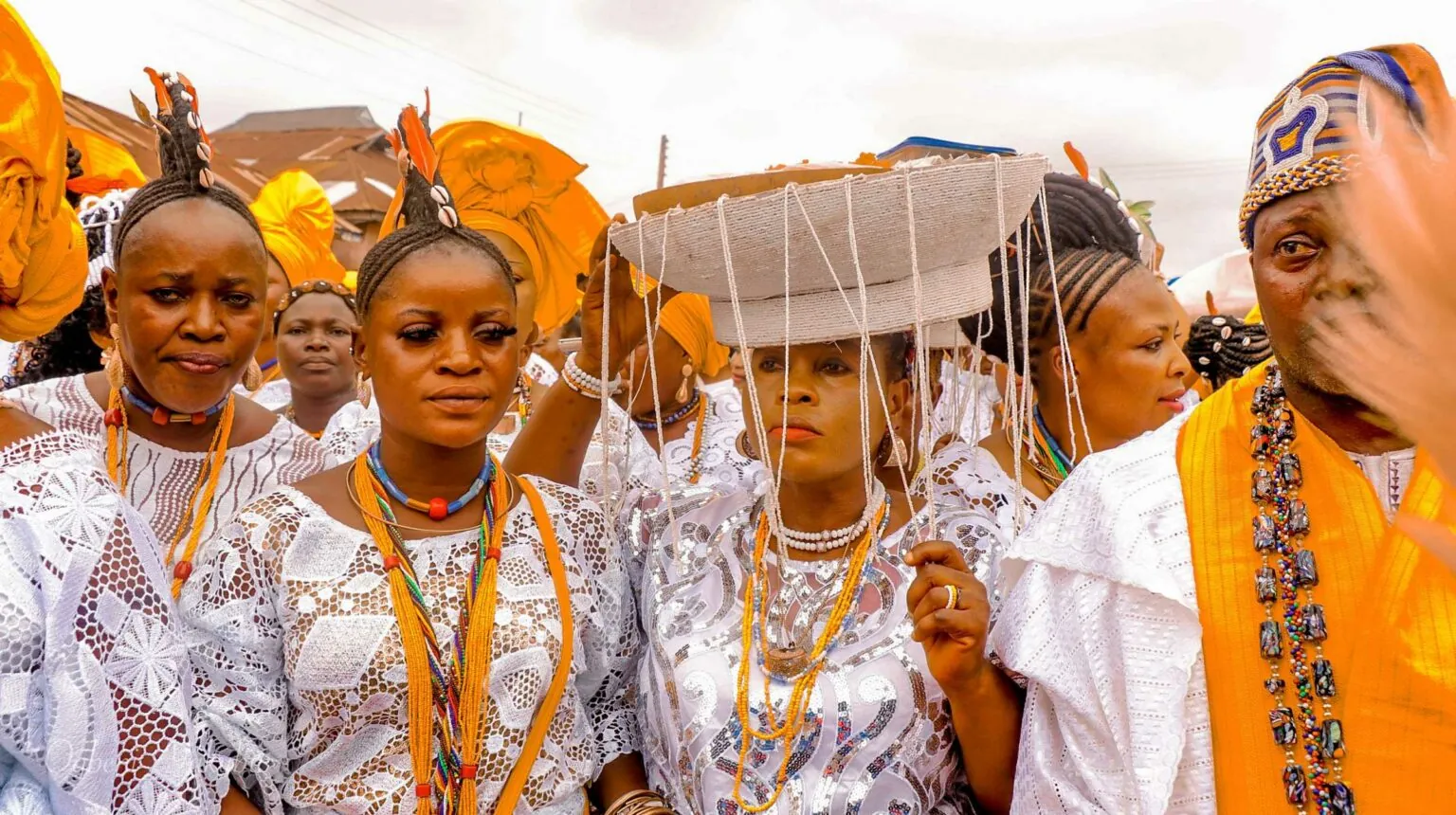
Each year on August 20, cities and towns across southwestern Nigeria burst into life with colour, music, and spirituality as adherents of the Yoruba traditional religion celebrate Ìṣẹ̀ṣe Day. Known in Yoruba simply as Ìṣẹ̀ṣe, which means “tradition,” this day honours the Orishas (deities), ancestors, and the long-preserved customs of the Yoruba people.
Far beyond a festival, Isese Day has become both a public holiday in several Nigerian states and a cultural rallying point that affirms identity, history, and belonging.
The Origins of Isese Day
Though Yoruba traditional religion has been practised for centuries, Ìṣẹ̀ṣe Day as we know it today is relatively recent in formal recognition.
In 2014, the government of Osun State, under Governor Rauf Aregbesola, officially declared August 20 a public holiday for traditional worshippers. This recognition marked the first time that Yoruba spirituality was given the same visibility and respect that Christianity and Islam—Nigeria’s dominant religions—enjoy on their special days.
Since then, other southwestern states like Ogun, Oyo, and Lagos have followed suit, designating August 20 as a work-free day for citizens to observe the festival. This shift reflects a growing recognition of the Yoruba religion as an integral part of Nigeria’s cultural landscape.
Read: Igbo-Ukwu Bronzes: Nigeria’s Forgotten Treasure
What Happens on Ìṣẹ̀ṣe Day?
Ìṣẹ̀ṣe Day is not a single, uniform celebration. Instead, it is observed differently depending on local traditions and the Orishas being honoured.
Common practices include:
- Prayers and sacrifices at shrines, rivers, and sacred groves to deities such as Obatala, Sango, Ogun, Esu, Osun, and others.
- Traditional music, drumming, and dance, which form an essential part of Yoruba spirituality and are believed to connect the living with the spiritual realm.
- Processions and festivals, with adherents dressed in traditional attire—most commonly white, symbolising purity, though red and black are also significant depending on the deity being honoured.
- Community feasting and storytelling, which reinforce Yoruba values, history, and identity.
Often, the celebrations last a full week, culminating on August 20, when the public holiday allows large-scale participation.
On Ìṣẹ̀ṣe Day, the traditional greeting is:
“Isese l’agba” (Tradition is the elder)
To which the response is:“Isese l’agba gbogbo wa” (Tradition is the elder of us all).
This exchange reflects the belief that tradition holds the wisdom of generations, guiding society forward.
Why Is Ìṣẹ̀ṣe Day Important?
For many Yoruba people, Isese Day is more than just rituals—it is about recognition and respect.
1. Cultural Preservation: It ensures younger generations grow up learning about their heritage, not just from history books but through lived experience.
2. Religious Equality: By recognising Isese Day, Nigerian states affirm the right of traditional worshippers to openly practise their faith, much like Christians at Christmas or Muslims at Eid.
3. Community Identity: Isese Day reinforces Yoruba unity at home and abroad, strengthening the bonds between people across Nigeria, Benin, Togo, and the global Yoruba diaspora in Brazil, Cuba, and the Caribbean.
4. Tourism & Heritage: With colourful festivals like Eyo, Igogo, and Ojude Oba connected to Isese practices, the day also has the potential to attract cultural tourism.
Ìṣẹ̀ṣe Day Beyond Nigeria
Interestingly, Yoruba traditional religion has travelled far beyond West Africa. Through the transatlantic slave trade, Yoruba beliefs mixed with Christianity and local traditions in places like Cuba, Brazil, and Haiti, giving birth to religions such as Santería, Candomblé, and Vodou. Today, Yoruba diaspora communities around the world also celebrate Isese Day as a way to reconnect with their African roots. This global recognition positions Isese not just as a Nigerian observance but as part of world heritage.
The Role of the Priesthood
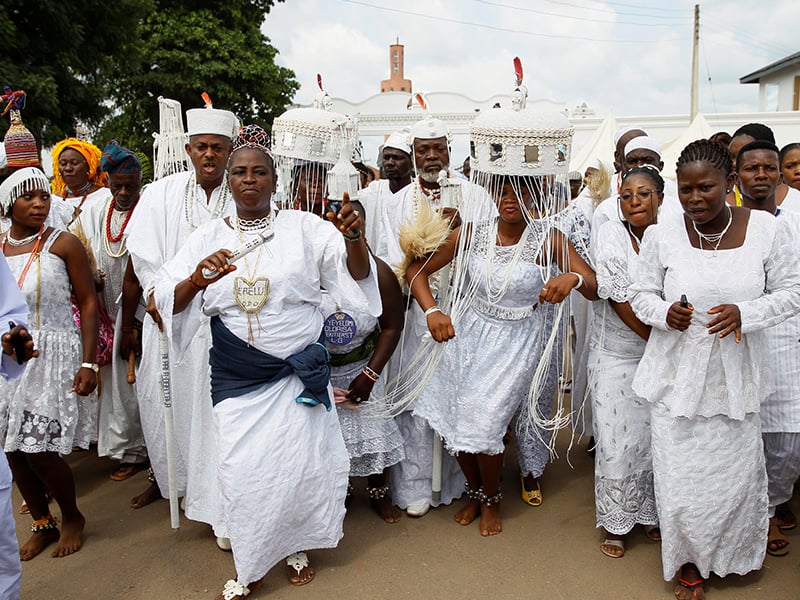
Ìṣẹ̀ṣe Day focuses on the Babalawos (male priests) and Iyalawos (female priestesses) who guide rituals, interpret the Ifa oracle, and lead sacrifices. They intentionally offer animals such as goats, birds, or rams, along with symbolic items like kola nuts and palm oil, depending on the deity. These actions aim to maintain balance between the spiritual and physical worlds. The Ifa divination system, linked to Orunmila, the deity of wisdom, provides spiritual direction for many of these observances.
Read: 3 Nigerians Preserving Culture Through Pottery
State Support and Modern Recognition
This year, 2025, the governments of Ogun, Oyo, and Lagos States have all declared August 20 a public holiday for Isese Day.
Ogun’s Governor, Dapo Abiodun, noted that the day reflects the state’s recognition of the “vital role that Yoruba heritage and practices play in identity and cultural landscape.”
Oyo’s Governor, Seyi Makinde, called on citizens to use the day to pray for peace, unity, and stability in the state and Nigeria at large. And in Lagos, Governor Babajide Sanwo-Olu approved a work-free day, with an official circular stressing the government’s commitment to supporting Yoruba traditions.
These actions by state governments underscore the festival’s growing importance in contemporary Nigeria.
Why It Matters Today
In a world where modernity often overshadows heritage, Isese Day is a reminder that culture is not a relic of the past—it is a living guide for the present and future.For the Yoruba people, it is about continuity: passing down wisdom, values, and practices to ensure that the stories of the ancestors live on.
For Nigeria, it is about pluralism: recognising that the nation is home to diverse faiths and traditions that all deserve respect. And for Africans everywhere, it is about pride: affirming that the continent’s spiritual and cultural systems are rich, sophisticated, and worthy of global recognition.
Ìṣẹ̀ṣe Day is not just for traditional worshippers—it is for everyone who values Nigeria’s cultural diversity. Whether you participate in rituals, watch the colourful festivals, or simply greet your neighbour with “Isese l’agba,” the day offers a chance to pause and honour tradition.
Because at its core, Isese is about remembering where we come from, so we can walk confidently into where we are going.
Ìṣẹ̀ṣe l’agba!