
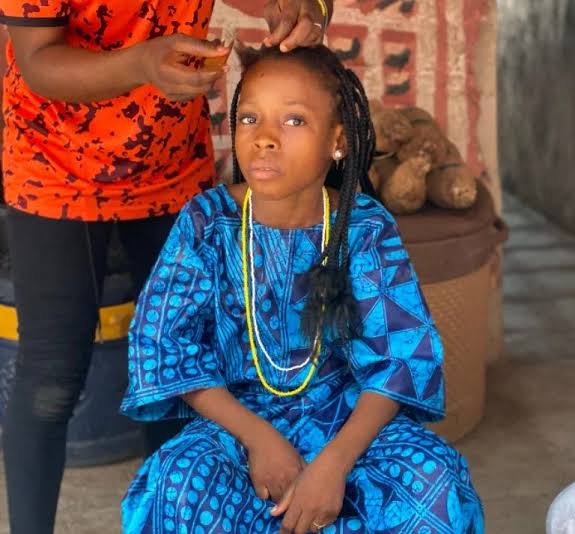
Every year, thousands of worshippers, tourists and culture enthusiasts gather in Osogbo, Osun State, for one of Africa’s most celebrated cultural events, the Osun-Osogbo Festival. While the colourful processions, traditional music and spiritual ceremonies attract global attention, one figure remains at the heart of the festival: the Arugba.
In 2026, that role belongs to 10-year-old Princess Alimot Moredeke Ajoke Osunbunmi, whose emergence has sparked renewed interest in the centuries-old tradition. But who exactly is the Arugba, and why is she so important to one of Nigeria’s most significant cultural festivals?
Who Is the Arugba?
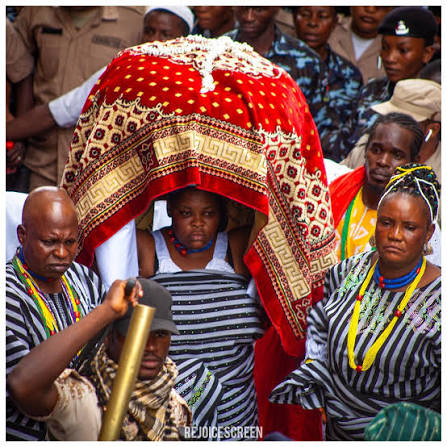
The Arugba is the young maiden who leads one of the most sacred processions during the Osun-Osogbo Festival. In Yoruba tradition, she serves as the spiritual link between the people of Osogbo and the Osun River goddess.
On the grand finale of the festival, the Arugba traditionally carries a sacred calabash containing ritual offerings from the Ataoja of Osogbo and the community to the Osun Sacred Grove. Many worshippers believe she symbolically carries the prayers, hopes and burdens of the people to the goddess.
Because of the spiritual significance of the role, becoming the Arugba is regarded as one of the highest honours within the royal family.
Read: Everything You Should Know About the 2026 Osun-Osogbo Festival
How Is the Arugba Chosen?
Unlike many ceremonial roles, the Arugba is not elected or appointed.
According to Yoruba tradition, the choice is made through Ifa divination, a sacred consultation with the Ifa oracle. Only girls from the Ataoja of Osogbo’s royal lineage who meet strict traditional requirements can be considered.
One of those requirements is that the Arugba must be an unmarried virgin, a symbol of purity within the festival’s spiritual traditions. Once selected, she serves until marriage, after which another maiden is chosen through the same traditional process.
Princess Alimot was selected in March 2025 following Ifa divination, succeeding Osuntomi Ewatomi, who served in the role for more than a decade before marrying.
Why Didn’t the New Arugba Carry the Sacred Calabash?
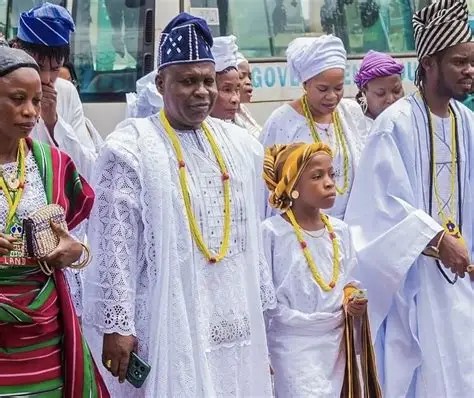
One detail that caught public attention during the 2025 festival was that Princess Alimot did not carry the sacred calabash herself. Instead, the calabash was carried by the chief priest, Baba Osun (Adesina), while the young princess led the procession to the Osun Sacred Grove.
Traditional leaders explained that the decision reflected her young age and the physical demands of carrying the sacred object during the long procession. They expect her to assume the full responsibility as she grows older.
Even without carrying the calabash, she remained the ceremonial leader of the procession, maintaining the spiritual significance of her role.
Why the Arugba Matters
The Arugba represents far more than a ceremonial participant.
She embodies continuity, faith and the enduring traditions that have shaped the Osun-Osogbo Festival for centuries. Her procession symbolises the community’s covenant with the Osun River goddess, a relationship that, according to Yoruba history, dates back more than 600 years.
Her journey from the Ataoja’s palace to the Osun Sacred Grove is one of the festival’s defining moments. Traditional beliefs also hold that the procession should be completed without interruption, making the role both symbolic and spiritually significant.
Read: 10 Interesting Things About Osun Osogbo Festival
A Living Tradition Recognised Worldwide
The Osun-Osogbo Festival is one of Nigeria’s oldest surviving cultural celebrations and takes place annually at the UNESCO World Heritage-listed Osun Sacred Grove.
The 2026 edition runs from August 7 to August 19, featuring traditional rites, cultural performances, drumming, dancing and the famous Arugba procession that attracts visitors from across Nigeria and around the world.
While each year’s festival introduces a new generation to Yoruba heritage, the Arugba remains its enduring symbol, connecting history, spirituality and culture in a tradition that continues to captivate audiences centuries after it began.
Have you ever attended the Osun-Osogbo Festival, or is it on your travel bucket list? Share your thoughts in the comments, and follow RefinedNG for more stories celebrating Africa’s rich cultures, traditions and people.