
What do you call artificial intelligence in your local language? What about a computer processor, a screen or authentication?
For many people across Africa, using technology often means switching between English, French or other widely used languages and their mother tongue. Rwanda is taking a different approach by giving modern technology its own vocabulary in Kinyarwanda.
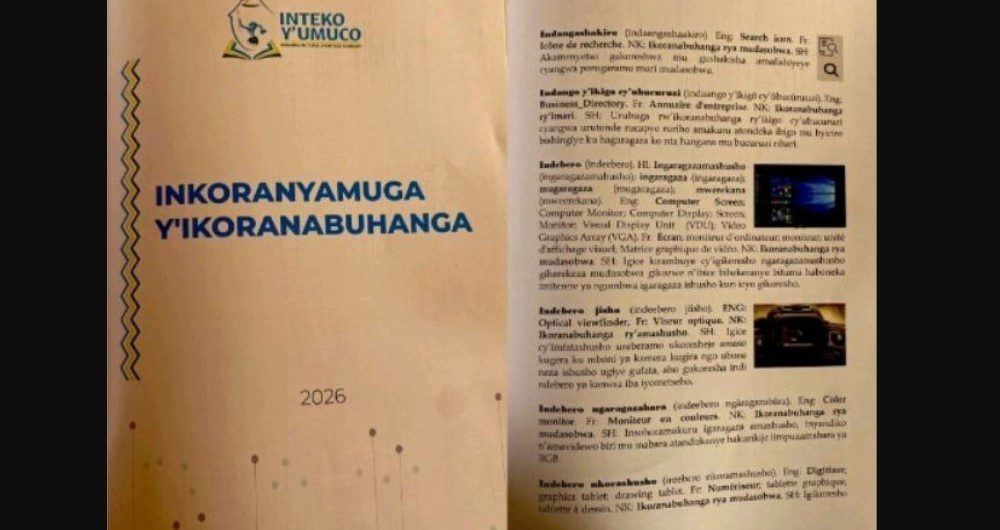
The Rwanda Cultural Heritage Academy has developed the country’s first Kinyarwanda ICT terminological dictionary, bringing together more than 1,700 technology-related terms. The project took nearly three years and is designed to make digital language easier to understand while helping Kinyarwanda keep pace with technological development.
Read: How Oladimeji Ajegbile Is Building FotoPool
A Dictionary Built for the Digital Age
Technology is now part of almost every area of daily life, from education and banking to communication and public services. That means people need words they can understand when interacting with digital tools.
The new dictionary combines newly created terminology with words already being used by institutions and in official documents. According to the Rwanda Cultural Heritage Academy, attention was given to making the terms easy to read, understand and remember.
The 274-page resource is currently accessible digitally through a QR code, with a printed version also planned. Copies are expected to be distributed to schools as Rwanda works to make the terminology more widely available.
The project also addresses an interesting misconception: that Kinyarwanda does not have enough vocabulary to describe modern technology.
So, What Is Technology Called in Kinyarwanda?
Some of the translations offer an interesting look at how familiar technology concepts can be expressed through the language.
For example, ICT is translated as “itangazabumenyi”, while computer is “mudasobwa” and internet is “murandasi”. Artificial intelligence becomes “ubwenge buhangano”, while communication is “itumanaho”.
There are also some particularly memorable descriptions. A computer processor is called “intima ya mudasobwa”, which literally refers to the heart of a computer. A screen is “indebero”, authentication is “kwemeza”, and a charger is “indahuzo”.
The dictionary also covers more specialised areas. Forensic technology, for instance, is translated as “ikoranabuhanga ngaragazabimenyetso”.
These terms give Kinyarwanda speakers a way to discuss technology without having to rely entirely on borrowed terminology.
From Classrooms to Artificial Intelligence
The dictionary could have an impact beyond everyday conversations.
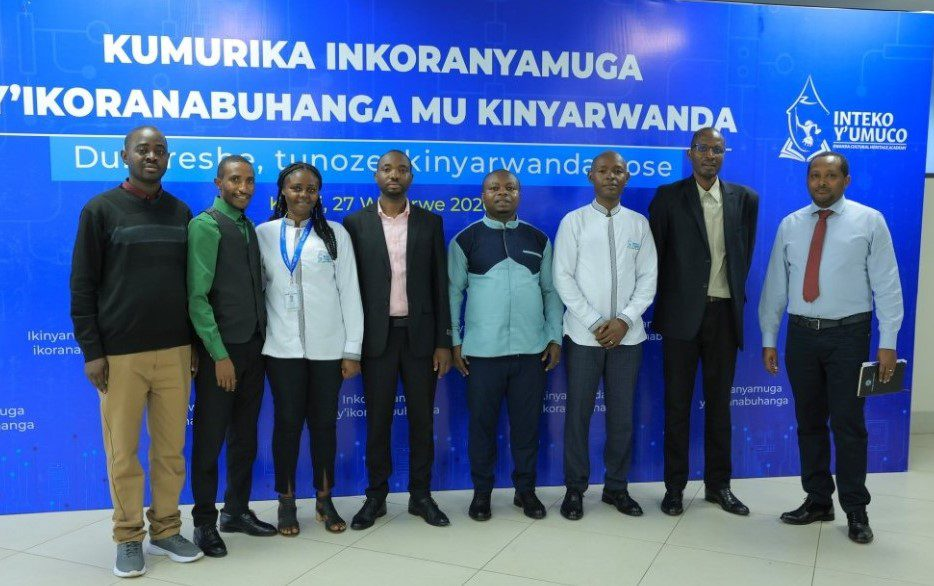
In collaboration with the Rwanda Education Board, copies are expected to reach schools, where the terminology can support Kinyarwanda lessons and help students become familiar with technology-related vocabulary in their own language.
There is also a bigger opportunity in artificial intelligence.
Developers building AI systems in African languages need reliable, standardised language resources. Without established terminology, training AI models in a language such as Kinyarwanda can become more difficult, particularly when developers want systems that can communicate without constantly switching between languages.
The dictionary provides a foundation that can be digitised and used for this purpose. As technology develops, more terms can also be added, making the resource an evolving record of how Kinyarwanda responds to new inventions and ideas.
Read: HelpMum Africa Wins Grand Prize for AI for Social Impact
Why This Is Worth Knowing
Rwanda’s Kinyarwanda technology dictionary shows what can happen when language development keeps pace with innovation. It gives people familiar words for unfamiliar technologies, supports education and creates useful resources for future digital tools.
Across Africa, where hundreds of languages are spoken, efforts like this could offer valuable lessons about building technology that speaks to people in languages they actually use.
Follow RefinedNG for more stories about African innovation, technology, culture and progress. Share this piece with someone who would enjoy discovering how Rwanda is taking its language into the digital age.