
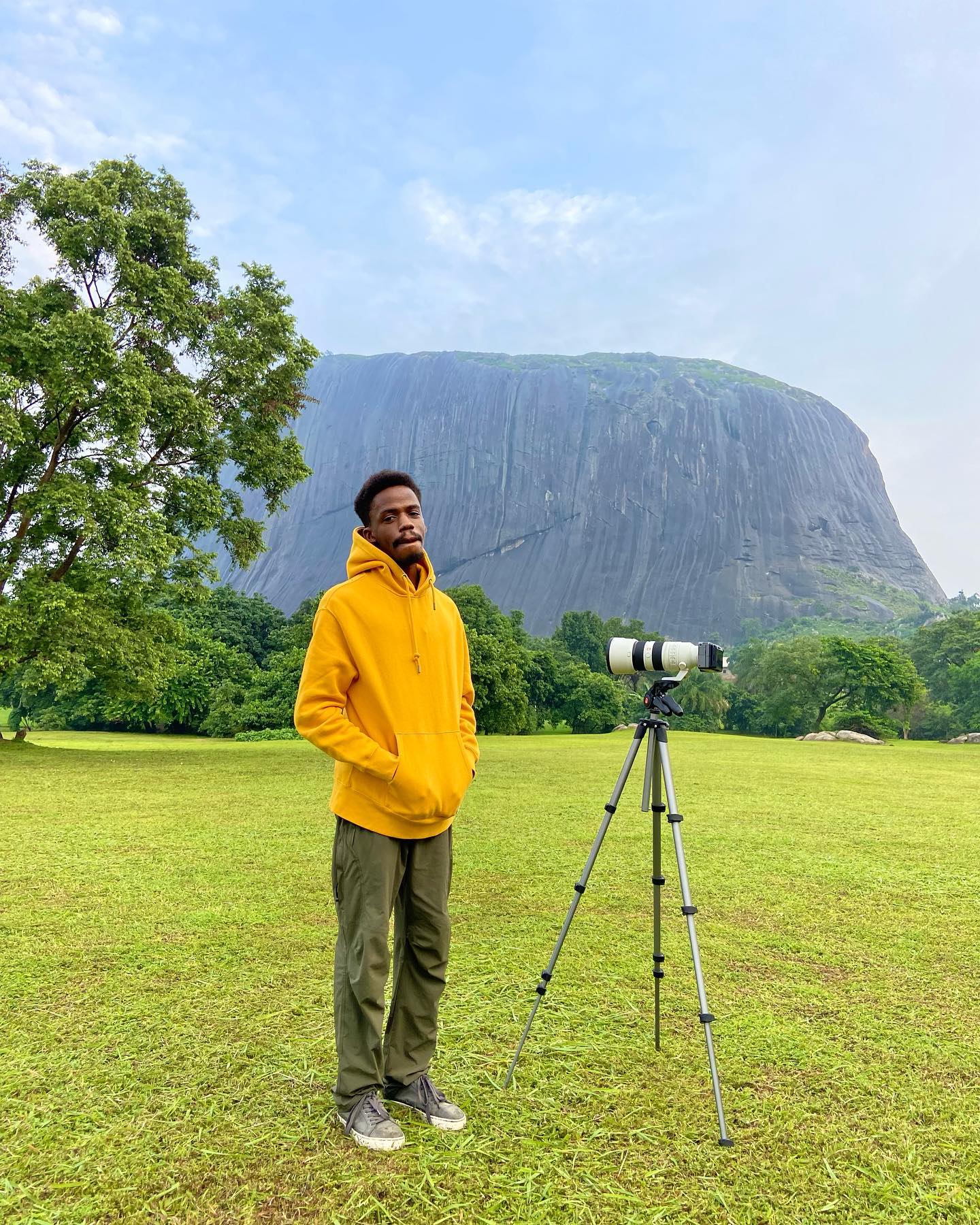
On July 3, 2023, something magical happened on the internet. Scrolling through Instagram, millions of users stumbled upon a reel that didn’t just show a festival—it celebrated an entire culture. Through the lens of Niyi Fagbemi, the world witnessed the electrifying beauty of the Ojude Oba festival in Ijebu-Ode, Nigeria. The colors, the coordination, the royalty—it wasn’t just visual, it was visceral.
But this wasn’t merely another viral video. It was a cultural awakening. For the first time, many Nigerians—and even descendants of Ijebu heritage—felt a new kind of pride in what had always existed quietly in their backyard.
Behind the camera was a man on a mission: to change the narrative of Nigeria, one frame at a time.
The Engineer Turned Cultural Documentarian
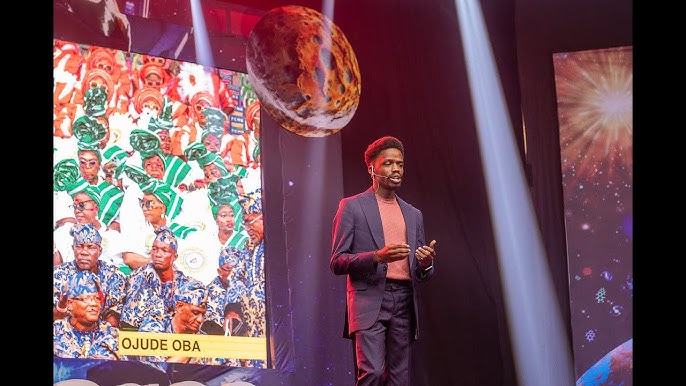
Before the world knew him for his cinematic visuals and drone mastery, Niyi Fagbemi was walking a very different path. A graduate of Mechanical Engineering from Covenant University, his early career followed the traditional trajectory—working as a project engineer for a top international oil company in Lagos. But something else was stirring inside him.
It began with a borrowed camera and a few shots taken of his twin sister, who was a budding influencer at the time. That fascination quickly evolved into a side passion. Photography, once a curious experiment, became a form of expression, a way to see Nigeria—and Africa—differently.
By 2020, he took a leap: leaving engineering behind and diving headfirst into visual storytelling. An internship with Ademola Olaniran, the official photographer to the Lagos State Governor, revealed the immense demand for quality visuals. But Niyi didn’t stop there. He wanted to go deeper—not just events or portraits, but people, places, heritage.
The transition wasn’t easy. It meant self-funding trips, teaching himself video editing, and saving up for his first drone. Still, he pressed on with one goal in mind: to show Africa to the world as Africans themselves experience it.
Read:: Fela Kuti Honoured with 2025 Grammy Hall of Fame Award
A Journey Through Nigeria’s Hidden Wonders
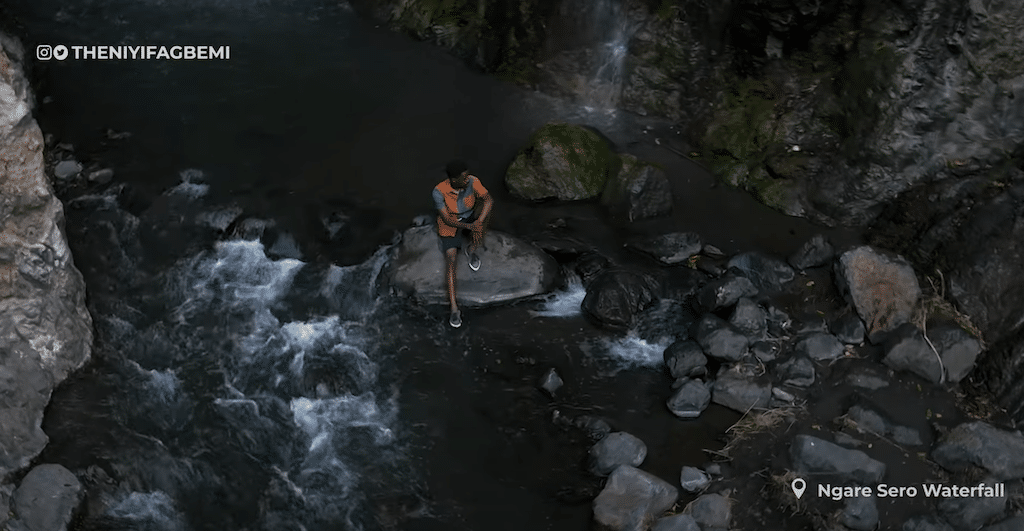
From misty mountaintops to golden sand dunes, Niyi Fagbemi has carved out a reputation as one of Nigeria’s most passionate cultural and landscape documentarians. His camera not only captures the visible but also reveals what people often overlook.
What began as a few photo sessions evolved into full-blown adventures. By 2021, Niyi was diving deep into videography, despite once believing it was “too much work.” He discovered that video wasn’t just about moving images; it was a portal for emotion, depth, and story. That same year, he bought a drone, self-funded by income from his growing photography gigs, and began exploring the country like never before.
One of his defining moments came during a trip to Kano for a documentary project. Friends and even his mother were concerned for his safety. But what he found in Northern Nigeria defied all stereotypes. He explored Minjibir, attended the Durbar festival, and witnessed a culture so rich, it changed his perception of the region forever.
“Why don’t these stories exist online?” he wondered. It became clear to him: if Nigeria’s beauty wasn’t being shown, then someone had to start. And that someone became him.
Ojude Oba: A Festival Rediscovered
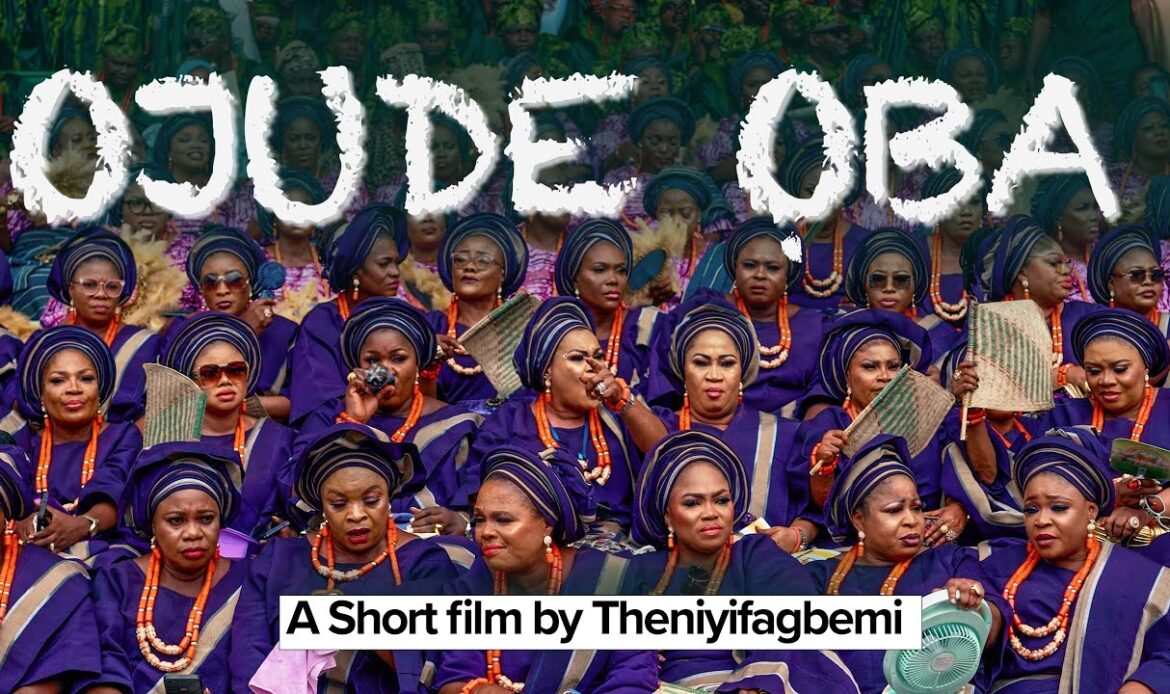
On July 3, 2023, Niyi Fagbemi’s cinematic reel of the Ojude Oba festival went viral across social media, ushering the event from a revered local tradition to a globally admired spectacle. Though the Ojude Oba had been celebrated for over a century in Ijebu-Ode, Ogun State, many within and outside Nigeria were seeing it for the first time, thanks to Niyi’s lens.
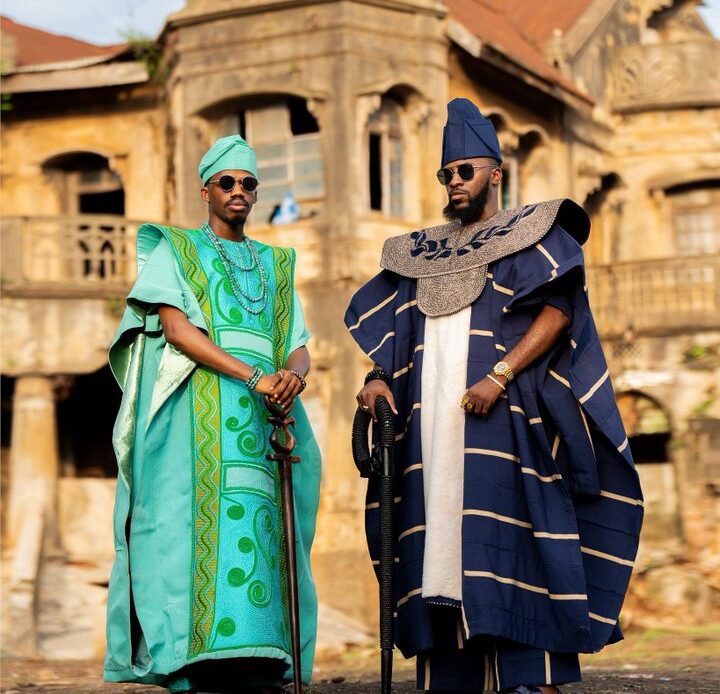
His footage was more than just documentation—it was cultural poetry. Seamless drone shots swooped over crowds adorned in matching Aso-Oke, capturing generations dressed in regal colors, unified by age-grade groups and tradition. The reel clocked over 100 million engagements across platforms. Thousands flooded his inbox asking, “Where is this?” “Is this really in Nigeria?”
The power of his visuals didn’t just pique curiosity—it inspired action. One elderly woman from Ijebu-Ode, who had never attended the festival despite living nearby, promised herself to witness it in 2024 after watching Niyi’s video. True to her word, she showed up—and so did tens of thousands more. Attendance surged, the world took notice, and a cultural celebration long cherished locally became an emblem of Nigerian pride on a global stage.
The Mission Behind the Lens
For Niyi Fagbemi, documenting Ojude Oba wasn’t just about aesthetic visuals—it was a mission. He wasn’t paid to attend, nor did any brand sponsor his trip. Like most of his projects, the entire effort was self-funded. What drove him was the desire to change how the world sees Nigeria and, by extension, Africa.
To Niyi, there’s a critical gap in storytelling. “There is a narrative for Nigeria and Africa that has been put out, not by Africans. We need to change that ourselves,” he insists. And change it he does—with every reel, every drone shot, every frame. Whether it’s Kano’s Durbar Festival, Yankari’s mangroves, or the regal horsemen of Ojude Oba, his lens offers an alternative to the stereotypes.
Beyond the beauty, his mission is rooted in authenticity. He doesn’t glamorize places for clout—he captures them as they are. He believes stories should be told as they’re lived. “It is the authenticity that actually matters,” he often says.
In a world flooded with curated narratives, Niyi’s work is a refreshing reminder that honest, intentional storytelling still holds power, and it can reshape perception, community by community.
Read: Ojude Oba: All You Need to Know About Ijebu’s Iconic Festival
Challenges, Realities & Lessons Learned
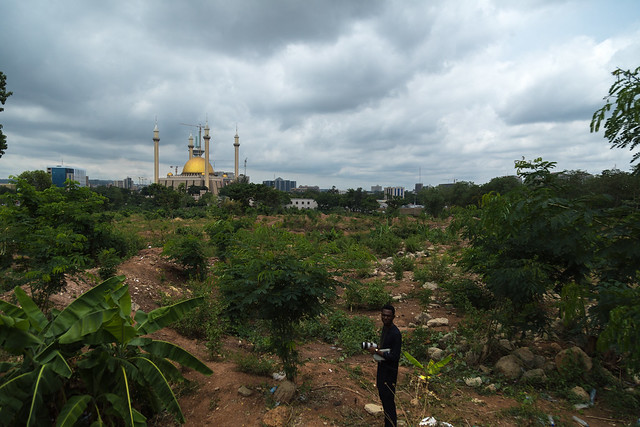
Despite the viral success and growing recognition, Niyi Fagbemi’s journey hasn’t been without hurdles. One of the most pressing challenges is funding. Nearly all of his travel and documentary work—whether to Kano, Cross River, or Ijebu-Ode—has been financed from his own pocket. His coverage of the Ojude Oba Festival, which amassed over 100 million views across platforms, was self-funded. “Nobody paid me to go. I did it because I believed in the story,” he reveals.
He also grapples with skepticism from locals in communities he visits. “There are places I’ve gone to where people didn’t want to be filmed. They didn’t understand why it mattered,” he says. This lack of awareness about the value of cultural documentation is another uphill battle.
Yet, through it all, Niyi remains resolute. “Sometimes what you’re looking for far away is right in your backyard,” he says, quoting a Yoruba proverb. For him, storytelling is both a responsibility and a legacy. One man might not change the world, but one story can change someone’s world—and that’s enough.
Redefining Africa One Frame at a Time
Niyi Fagbemi’s camera is more than a tool—it’s a cultural compass, a vessel through which Nigeria and Africa tell their truth. From the sand pits of Kano to the regal gallop of the Durbar horses, from the quiet waterfalls of Tanzania to the dazzling parade of the Ojude Oba, Niyi has created a map of memory and meaning.
His work reminds us that Africa is not just a place of headlines and hardship; it is a continent of colour, rhythm, resilience, and pride. He doesn’t just document moments—he documents movement.
As more Africans take up the mantle of storytelling, Niyi continues to lead by example: dream big, start small, stay authentic, and never stop sharing. Because one lens, in the right hands, can show the world everything it’s been missing.