
Here is a scenario that will feel familiar. You are scrolling, minding your business, and suddenly something catches your eye. A bag, a gadget, a pair of shoes, a kitchen appliance you absolutely did not know you needed until thirty seconds ago. The excitement hits fast. You add it to your cart. And then, if you are not careful, you check out before your brain has had a chance to ask a single sensible question.
That impulse is not a character flaw. It is how shopping is designed to work. But there is a simple rule that dismantles the whole system. It costs nothing to try and could save you more than you expect.
What the 30-Day Purchase Pause Actually Is
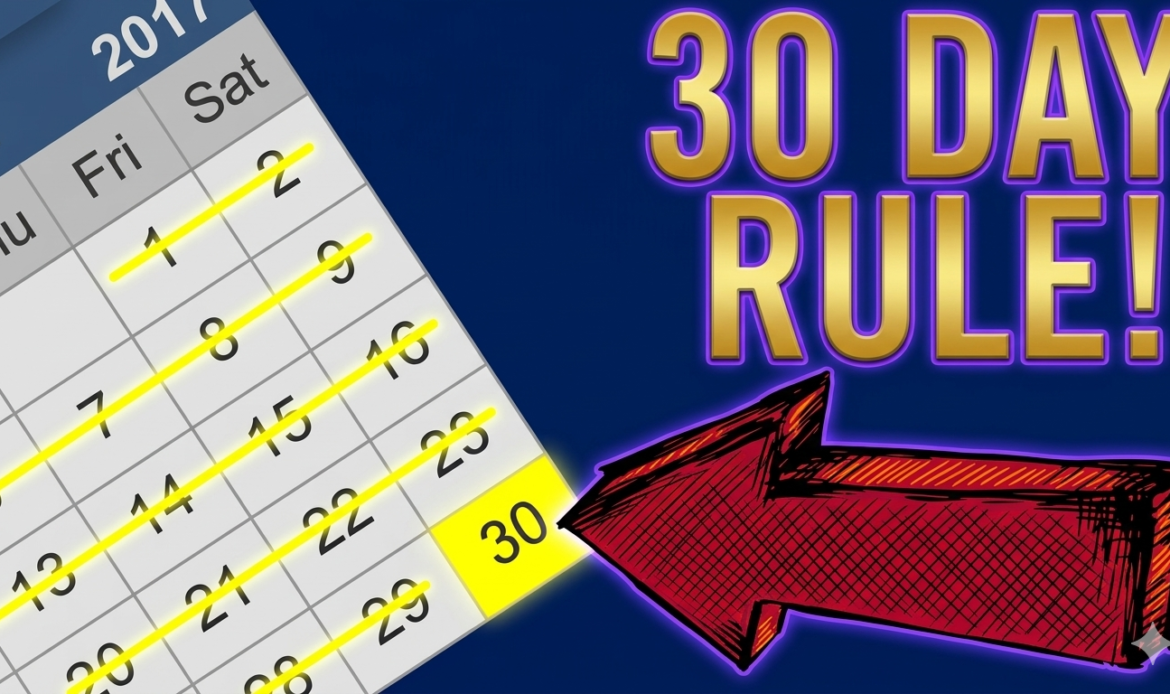
The 30-day purchase pause is exactly what it sounds like. When you feel the urge to buy something non-essential and the key word here is non-essential, you stop, step back, and wait thirty days before completing the purchase.
During those thirty days, you do not forget about the item. You write it down: the name of the item, where you found it, the price, and the date. You put that note somewhere visible: a calendar, a whiteboard, a note on your phone. And then you wait.
At the end of thirty days, you revisit the list and ask yourself honestly: do I still want this? Can I genuinely afford it? Does it still feel urgent?
In most cases, the answer is no. Research suggests that people forget or lose interest in roughly 70% of items on these lists by the time the thirty days are up. The excitement fades because that is what excitement does when you do not feed it immediately. And the purchase that felt completely necessary on a random Tuesday evening simply does not survive a month of perspective.
Read: Do You Know the 4 Pillars of Financial Literacy?
Why It Works So Well
The reason the 30-day rule is so effective is that it does not ask you to deny yourself anything permanently. That distinction matters enormously. Strict financial rules that feel like punishment tend not to last. This one works differently because you are not saying no, you are saying not yet. That shift in framing takes the emotional sting out of the delay and makes the rule genuinely sustainable.
The waiting period also gives you something that impulse buying never does: information. By the time thirty days have passed, you have had the opportunity to compare prices, read reviews, check whether a better version exists, or simply confirm that the original option was worth it. You go from buying on feeling to buying with intention. Those are two very different things.
There is also a clutter benefit that does not get talked about enough. Every item you do not buy impulsively is an item that does not end up unused in a drawer, on a shelf, or in a bag you never open. The 30-day rule keeps your space and your finances cleaner simultaneously.
How to Make It Stick in Practice
Knowing the rules is one thing. Actually following it when you are excited about a purchase is another. A few practical adjustments make a significant difference.
Remove saved payment details from your favourite shopping sites. The friction of having to enter your card number manually is often enough to interrupt the impulse before it completes. Delete shopping apps from your phone or move them off your home screen. Out of sight genuinely does mean out of mind in this context.
When you go shopping with a specific purpose, groceries, household necessities, write your list before you leave and commit to it. Browsing without a list is not shopping. It is an invitation to spend money on things you did not know you wanted until the store reminded you they existed.
If thirty days feels too long to begin with, start with seven or fourteen. The principle works at any interval. The goal is simply to put time and thought between the feeling and the purchase.
Read: 7 Everyday Activities That Teach Kids About Money
The Bigger Picture
The 30-day purchase pause is not about living without enjoyment or treating yourself as if spending is inherently wrong. It is about making sure that when you do spend, you are doing it deliberately, because you genuinely want the thing, not because a moment of excitement got there before your judgement did.
The people who build lasting financial stability are not usually the ones who earn the most. They are the ones who make the most intentional decisions about what they do with what they earn. This rule is one of the simplest ways to start building that habit, and it costs you nothing to try.
At RefinedNG, we cover money, culture, and the ideas that help Africans build better futures. If this resonated with you, share it with someone who needs to hear it and visit our channels for more.