

At the 2026 Golden Globes, Wunmi Mosaku didn’t just walk the carpet as a celebrated actress and first-time Golden Globe nominee. She also opened a quiet but powerful conversation about ancestry, spirituality, and the kind of research that doesn’t live in textbooks. While Sinners was being recognized for its cultural impact and box office success, Mosaku shared how preparing for her role as Annie led her into a world she had been taught to fear.
Born in Nigeria and raised in Manchester, England, Mosaku explained that her understanding of African spirituality had long been shaped by distance and misinformation. What she encountered during her research didn’t just inform her performance. It reframed her identity, her history, and her sense of survival.
Read: Davido & Chris Brown Are Dropping a Joint Album in 2026
Unlearning Fear, Reclaiming Ancestral Knowledge
“I had no idea about this spirituality, this ancestral wisdom and belief systems,” Mosaku said. “I had been told to be afraid of it my whole life. That it was evil. That it was scary.”
For her role in Sinners, Mosaku immersed herself in research that brought her into contact with hoodoo practitioners, particularly in New Orleans. What she found was not darkness, but discipline. Not fear, but healing. She described being “completely blown away” by the grace, grounding, and power of the people she met.
According to Mosaku, the spiritual practices she encountered were not about mysticism for spectacle, but about survival. About passing down knowledge when other systems failed. About healing communities that had been stripped of safety, language, and home.
“There’s something deeper in it,” she said. “It’s healing. It’s our power and it’s part of our survival.”
From Nigeria to New Orleans, Through Annie
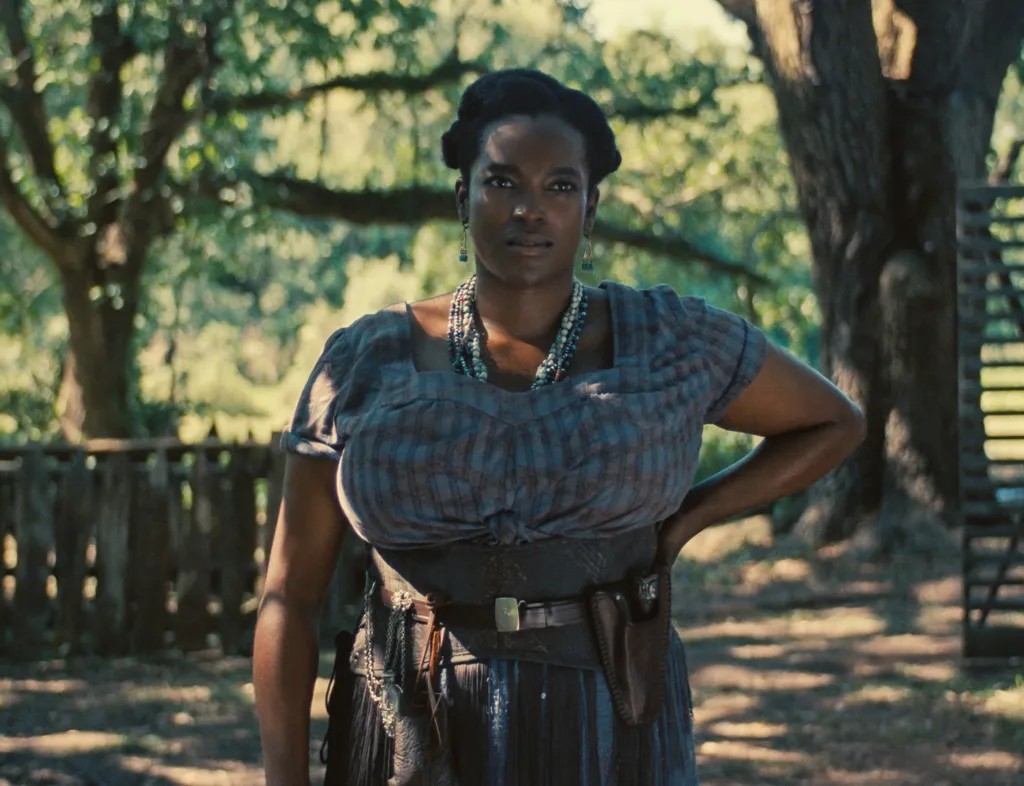
Mosaku’s experience highlights a recurring reality for many people in the African diaspora. Cultural practices dismissed or demonized during colonial and missionary eras often resurface later as sources of grounding and truth. Preparing for Annie forced Mosaku to confront the gap between what she was taught to reject and what her ancestors used to endure.
She traced part of that journey to a woman she met on St. Charles Street in New Orleans, someone she believes spiritually “made this happen.” It was a reminder that research for a role can sometimes feel less like preparation and more like recognition.
This depth is part of what made Sinners resonate globally. The film went on to earn over $280 million in the United States alone and won the Golden Globe for Cinematic and Box Office Achievement. Yet Mosaku’s story shows that behind the accolades were quieter, more personal reckonings happening off-screen.
Read: Inside AFRIMA 2026: Biggest Winners, Best Moments, Full Highlights
Culture, Memory, and Why This Moment Matters

Mosaku’s reflections arrive at a time when African and Black spiritual systems are being re-examined across film, fashion, wellness, and academia. Her words cut through the noise because they came without performance. It was just about honesty and discovery.
In sharing this, Mosaku didn’t position herself as an expert, but as a student. Someone unlearning fear and choosing curiosity. That choice, especially on a global stage like the Golden Globes, matters.
Follow RefinedNG as we continue to spotlight the stories behind the moments shaping African culture, identity, and global representation. Read, share, and tell us in the comments: have you ever had to unlearn fear to rediscover something that was always yours?