In Nigeria today, money doesn’t stretch as far as it used to. Between rising living costs, the unpredictable economy, and the pressure to “show face” socially, financial planning can often feel like a chase that never ends. Most people start off the year with big goals — save ₦1 million, travel abroad, buy land, or start a side hustle. But along the way, real life happens. Rent is due, fuel prices go up, emergencies pop up, and the dream gets delayed… again.
What if we flipped the script?
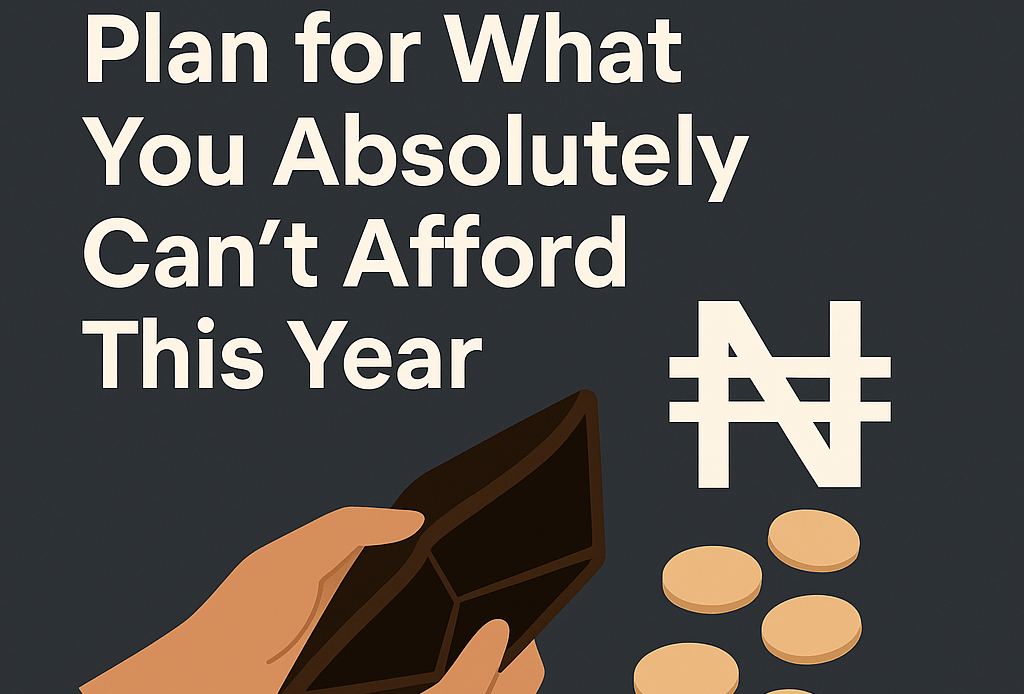
Instead of only planning for what you want to achieve financially, what if you also planned for what you absolutely cannot afford to lose, spend, or ignore this year? That’s where the idea of reverse goals comes in — and trust us, it might be the mindset shift that changes everything about how you handle your money.
Reverse goals are not about scarcity or fear. They’re about clarity. They help you identify the money traps, habits, and distractions that usually ruin your budget — and stop them before they happen. By clearly stating the things you must not do financially, you create space to protect the things that truly matter.
In a country where even the best-laid plans can be shaken by a surprise increase in school fees or a family emergency, planning what to avoid is just as powerful as planning what to pursue.
What Are Reverse Goals? (And Why They Work)
Reverse goals are exactly what they sound like — instead of writing a list of things you want to achieve, you list the things you simply cannot afford to do, lose, or fall into. It’s a smarter way of setting boundaries for your money. In a time where everyone is chasing more — more income, more assets, more status — reverse goals help you protect what you already have and prevent unnecessary setbacks.
Think of it this way: while traditional goals ask, “What do I want to get?”, reverse goals ask, “What do I need to avoid so I don’t mess up my future?” It’s like saying, “This year, no matter what happens, I will not enter unnecessary debt,” or “I will not let impulse buying drain my account.” That decision alone can be more powerful than a vague goal like “save more money.”
Why does this work so well? Because life in Nigeria often throws curveballs — from sudden family obligations to price hikes that wreck your budget. Reverse goals allow you to operate with focus and foresight. They give you a personal “red flag” system so you can check yourself before spending, borrowing, or making decisions that cost you more in the long run.
The truth is, many people struggle financially not because they don’t earn enough, but because they don’t have clear rules about what’s off-limits. Reverse goals make those rules visible. And once you know what not to do, it becomes easier to manage what you want to do.
Read: 3 Budget-Friendly Nigerian Snacks You Can Make at Home
Common “Can’t-Afford” Categories to Start With
When setting reverse goals, it helps to start with everyday money traps — the things that quietly drain your finances or put you in a tight corner before you even realize it. For many Nigerians, these traps are not strange. In fact, they often come disguised as “urgent needs,” social obligations, or comfort buys that feel harmless in the moment.
One major area to watch is unplanned debt. With loan apps and quick borrowing options just a click away, it’s easy to fall into a cycle of borrowing to cover one expense and then borrowing again to pay off the last loan. If your reverse goal is to stay out of debt this year, it means deciding ahead of time that you’ll avoid loans for non-emergency needs — no matter how tempting.
Another sneaky drain is impulse spending. Whether it’s buying new clothes for an event, ordering takeout every other day, or falling for online sales, these little habits add up fast. In a cash-based economy like ours, where spending often happens on the go, you need to train your eyes and emotions to say, “This isn’t urgent. I’ll pass.”
There’s also the trap of lifestyle inflation — that pressure to upgrade your phone, rent a more expensive apartment, or live beyond your earnings just to keep up with friends or followers. It’s one of the quickest ways to go broke slowly. A reverse goal here could be: “No lifestyle upgrades this year unless I can afford them twice over.”
Social obligations are another silent budget killer. From aso ebi contributions to destination weddings, baby showers, and birthdays, it’s easy to spend on things just to avoid offending people. But your financial peace should never come second to someone else’s expectations. Creating a reverse goal like “I’ll cap my social spending this year at ₦X” gives you control without guilt.
Lastly, many people forget to include savings and emergency funds in their reverse planning. But here’s the truth: neglecting your future is a cost too. If you don’t set money aside now, even small emergencies can turn into major financial disasters later. So one of your reverse goals could be: “I will not touch my emergency fund unless it’s truly an emergency.”
How to Set Reverse Goals That Actually Work
Now that you understand what reverse goals are and why they matter, the next step is learning how to set them in a way that’s both realistic and effective. This isn’t about writing a fancy list you’ll forget in a week. It’s about crafting clear financial boundaries that guide your everyday decisions — whether you’re shopping at the market, scrolling through Jumia, or trying to decide if you should attend yet another owambe.
Start by identifying the top five things you cannot afford this year. These should come from a place of self-awareness, not shame. For example, maybe last year you struggled with impulsive spending, or you found yourself borrowing every other month. Be honest. Write it out: “This year, I can’t afford to take any loan that doesn’t solve a real emergency,” or “I can’t afford to spend more than ₦X on unnecessary shopping.”
Once you’ve listed them, attach a reason to each one. This helps it stick in your mind. For instance, “No impulse buying” becomes more powerful when tied to a reason like “because I’m saving for my rent renewal in December.” The clearer your why, the easier it is to say no when the temptation comes.
Next, create small habits or rules to support each reverse goal. If your reverse goal is to avoid borrowing, maybe your supporting habit is to keep a backup ₦5K or ₦10K savings stash for minor emergencies. If your goal is to reduce social spending, set a monthly cap — once it’s exhausted, that’s it for the month. These little systems help you stay consistent without feeling restricted.
You can even make your reverse goals visual. Stick them on your fridge, save them as your phone’s wallpaper, or add them to your monthly budget sheet. The goal is to keep them top-of-mind so they shape your choices all year long.
Most importantly, review your reverse goals monthly. Life happens — and in Nigeria, it happens fast. A goal you set in January may need adjusting by April. That’s fine. The point isn’t perfection. The point is intentional control over your financial life, no matter the ups and downs.
Read: Smart Investment Strategies for Freelancers
How Reverse Goals Complement Regular Goals
Now, let’s be clear — reverse goals aren’t meant to replace your traditional financial goals. They’re meant to strengthen them. Think of them as the silent guardians of your progress. While regular goals give you direction, reverse goals give you boundaries. And in Nigeria’s unpredictable economy, you need both.
Say you have a goal to save ₦200,000 by year-end. That’s great — but if you don’t also set a reverse goal like “no unplanned online shopping” or “no contributions above ₦10,000 for any party,” that savings goal will struggle to breathe. Life will keep poking holes in your bucket.
Reverse goals help you protect your future from your present impulses. They build financial discipline — not just through motivation, but through prevention. And over time, they boost your confidence too. You start seeing money not as something you chase, but something you manage with wisdom.
The best part? Reverse goals can make your regular goals more achievable, faster. Because you’re not constantly recovering from avoidable money mistakes, your energy shifts from survival to strategy. And that’s when growth begins.
Flip the Frame to Gain Control
Sometimes, the smartest financial decision isn’t about what you plan to achieve — it’s about what you’re wise enough to avoid. In a country where every naira counts, where emergencies don’t knock and societal pressure can be loud, reverse goals offer you a quiet kind of power. The power to say, “Not this year. I’m focused.”q
So as you move forward, ask yourself: What’s that one thing you absolutely can’t afford this year? A new debt? Reckless spending? Losing your emergency fund? Start there.
Flip the frame. Don’t just dream big — protect your progress. Because sometimes, saying no is the most powerful way to say yes to your financial future.