

When Ademilola Odujinrin completed a solo flight around the world, the headlines were clear: first African pilot to do it, nine months in the air, five continents, one aircraft. Impressive? Absolutely. But if we’re being honest, that’s the part everyone already knows.
What doesn’t get talked about enough is what it actually means to go solo, not just physically, but structurally, financially, and culturally. Because this wasn’t just a man in a plane chasing a dream. This was an African pilot navigating a system that wasn’t exactly built with him in mind.
And that changes the story completely.
The Real Journey: Flying Without a Safety Net
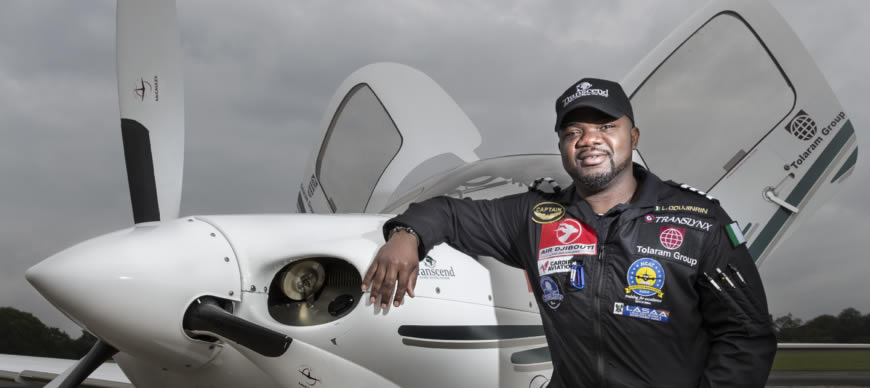
Let’s strip it down for a second. Solo circumnavigation is already one of aviation’s most demanding feats. Fewer than 120 people globally have done it. That alone puts Ademilola Odujinrin in a very rare category.
But here’s the part most people skip: many of those journeys are backed by strong institutional support, sponsorships, and structured funding. This one wasn’t.
At different points during the journey, funding became a real issue. There were pauses. There were moments where continuing depended on finding resources in real time. At one point, he had to raise money just to keep the journey going. Imagine being mid-dream and needing to figure out how to finance the next leg before you can even think about flying it.
That’s not just aviation. That’s resilience in motion.
Read: How Swim in 1 Day Africa Is Redefining Inclusion
One Plane, One Pilot and One Continent on His Back
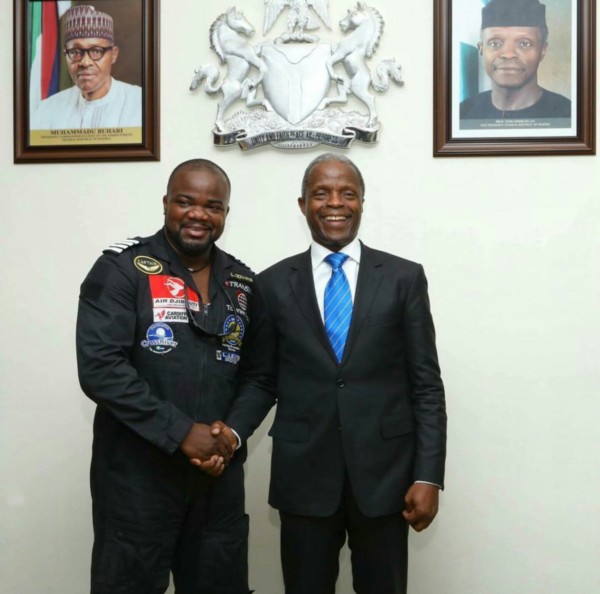
There’s also the pressure that comes with being “the first.” It sounds exciting, but it comes with weight. Representation becomes part of the mission whether you planned for it or not.
For Ademilola Odujinrin, this wasn’t just about personal achievement. It was about visibility. About showing that an African pilot could step into a space where very few people, even globally, have ever succeeded.
And here’s something that quietly says a lot: he didn’t make a stop in Africa during the journey, reportedly due to lack of sponsorship support. That detail might seem small, but it speaks volumes about the kind of structural gaps that still exist.
So yes, he was flying solo. But in many ways, he was also carrying a narrative that needed to be seen.
What This Really Means for the Next Generation
The most powerful part of this story is not the landing at Washington Dulles or the completed route map. It’s what comes after. Because somewhere, there’s a young African kid who didn’t know this was possible until now. Someone who has never seen a path into aviation suddenly realising that it exists. That matters.
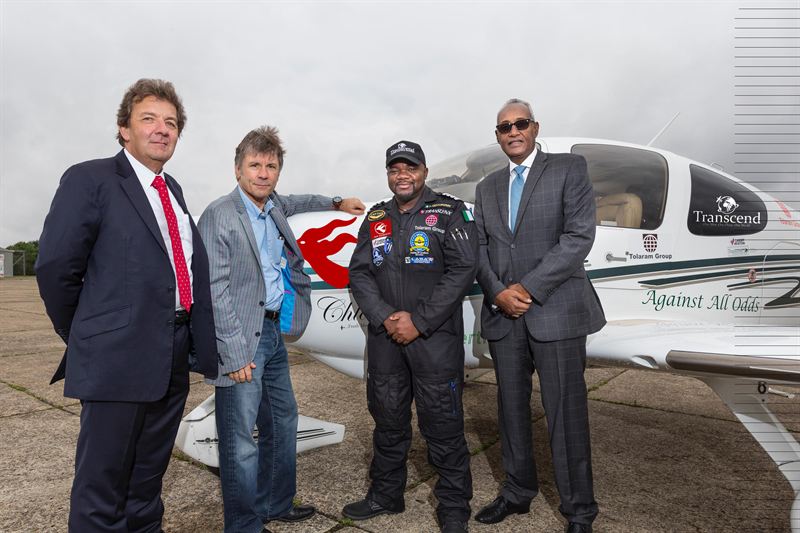
Through his initiative, Project Transcend, Ademilola Odujinrin has made it clear that this wasn’t just about breaking a record. It was about opening doors.
And maybe that’s the real takeaway here. Not just that he flew around the world alone, but that he did it in a way that forces us to rethink access, support, and what it takes for African talent to thrive on a global stage.
Read: Grace Ladoja Makes History as First African Woman to Design Nike Sneaker
Stories Like This Deserve More Space
We’ve heard the headline. Now we understand the layers. Stories like this remind us that achievement is rarely just about the visible moment. It’s about everything behind it; the gaps, the pressure, the persistence, and the determination to keep going anyway.
If this story resonated with you, take a moment to read more on RefinedNG and share it with someone who needs that reminder that possibilities exist, even when the system doesn’t make it easy.