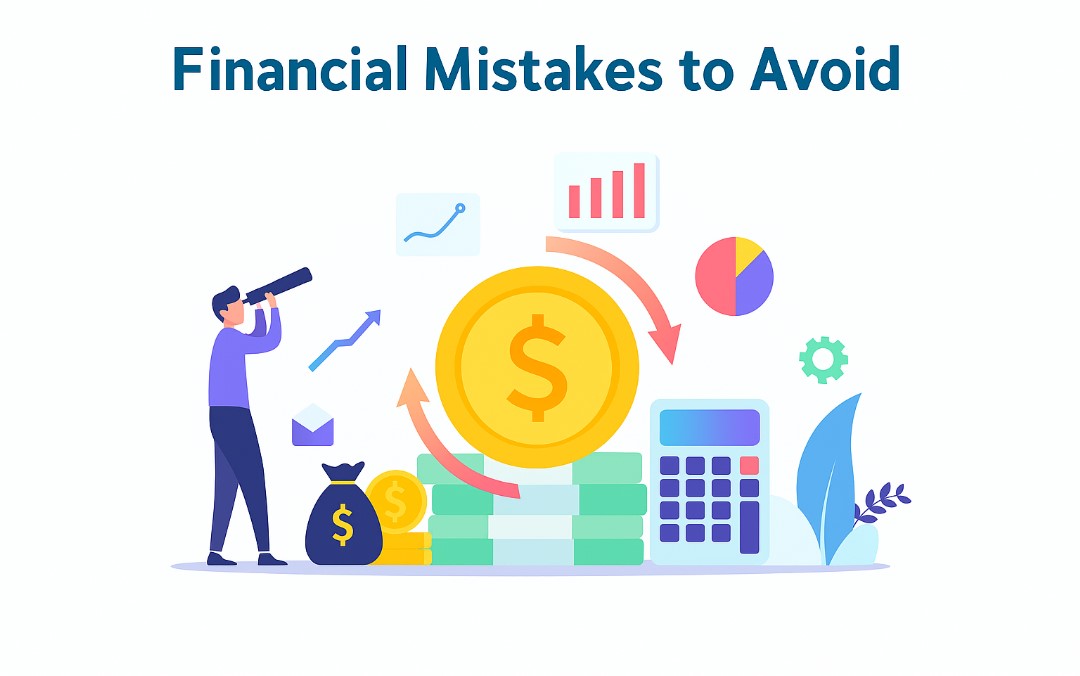
Money problems are not always about earning too little; more often than not, they’re about making choices that quietly drain our finances. From Lagos to London, the same traps catch people off guard — living beyond their means, chasing the latest investment craze, or neglecting savings until it’s too late. These are not rare mistakes; they’re everyday habits that slowly eat away at financial security.
Experts from respected platforms such as Investopedia and the Financial Times have consistently highlighted these patterns. Whether it’s overspending on “small” treats, locking money into bad deals, or ignoring pensions, the mistakes are universal. They just play out differently depending on where you live. In Nigeria, for instance, high inflation, social obligations, and quick-loan apps make some of these mistakes even more costly.
In this article, we’ll break down the ten most common financial mistakes identified by experts and, more importantly, show you practical ways to avoid them — no jargon, just clear steps you can act on today.
1. Unnecessary Spending
It’s easy to blame big expenses for our money woes, but it’s often the little ones that quietly empty our wallets. That cappuccino on your way to work, the “just this once” impulse buy on Jumia, or those endless airtime top-ups all seem harmless — until you total them up at month’s end. Financial experts agree: treating yourself isn’t the problem; doing it without a plan is. The key is to build these treats into your budget so they don’t derail your savings. That way, you can enjoy life’s small pleasures without sabotaging your financial goals.
2. Never-Ending Payments
Subscriptions feel light on the pocket monthly but become heavy when you look at the yearly total. Streaming services, premium gym memberships, software apps, or online courses you barely use can quietly drain tens of thousands of naira. The fix? Before renewing, ask yourself: “Is this a need or a want?” In Nigeria, it’s common to see someone paying for DSTV Premium while still struggling to clear loans. Cancel or downgrade where necessary. Free or cheaper alternatives exist, and redirecting that money can ease debts and grow your savings faster.
Read: 4 Debt Payoff Mistakes to Avoid
3. Jumping on Investment Bandwagons
From dotcom shares to cryptocurrency and now trendy agritech schemes, hype has a way of swallowing people’s hard-earned savings. The crowd mentality — “everyone is buying” — isn’t a sound investment strategy. When you invest based on FOMO rather than research, you’re essentially gambling, not building wealth. Experts warn that even legitimate opportunities can become overpriced once the masses rush in. Before you commit, take time to understand how the investment works, the risks involved, and whether it fits your goals. In Nigeria, where informal investment clubs pop up frequently, due diligence isn’t optional — it’s survival.
4. Buying ‘Cheap’ Stocks After a Crash
A stock falling in price doesn’t automatically make it a bargain. Many investors have learned this the hard way. In the UK, banks like RBS and Northern Rock looked “cheap” before collapsing entirely. In Nigeria, several companies once touted as bargains quietly slid into delisting or insolvency. The lesson? A low price often signals deeper trouble. Instead of chasing fallen shares, study the company’s fundamentals and long-term prospects. If you wouldn’t buy it at its original price, a discount shouldn’t tempt you now. True bargains are backed by healthy businesses, not just lower numbers on a screen.
5. Being Too Nervous to Invest Sensibly
Trying to “play it safe” by hoarding cash often backfires. In a country like Nigeria where inflation regularly hits double digits, the real value of money in your savings account shrinks every year. That means ₦100,000 today may buy far less next year. Experts advise spreading your money across diversified investments — mutual funds, treasury bills, or dividend-paying stocks — instead of letting it sit idle. Even small, regular investments can outpace inflation over time. The goal isn’t reckless risk-taking; it’s sensible investing that balances safety with growth so your future self isn’t left short.
6. Falling for Teaser Rates and Neglecting Pensions
Banks and fintechs love advertising high “introductory” interest rates on savings accounts, but these rates often drop after a few months — leaving your money earning far less than you expected. At the same time, many Nigerians ignore private pension or micro-pension schemes entirely, while abroad millions miss out on employer pension matches. Yet consistent contributions matter far more than flashy headline rates. Building a steady pension fund, no matter how small at first, provides long-term security that no teaser account can match. Start now, stay consistent, and let compounding do the heavy lifting for you.
7. Insuring Phones but Not Lives
It’s surprising how many young people in Nigeria will pay to insure their phones or laptops but completely skip life or health insurance. Losing a gadget is inconvenient; losing income or a loved one without protection can devastate an entire family. A simple life or health policy often costs less than your monthly data plan, yet provides far greater security. Experts advise starting small — even a basic policy is better than none. Insurance isn’t just for “older people” or the wealthy; it’s a financial safety net every working adult should consider early.
Read: 7 Things You Should Never Do With Your Money
8. Letting Tax or Fee Fears Distort Decisions
Paying some tax or fees is actually a sign you’re growing financially. But many people in Nigeria and elsewhere run from regulated investment vehicles because they “don’t want deductions.” They turn instead to informal savings groups or unregulated platforms promising “no fees” — often at much higher risk. Chasing “magic” tax schemes or trying to avoid capital gains tax can backfire badly. A modest, transparent fee or tax is usually far safer than losing your entire capital to an unlicensed operator. Focus on net returns and safety, not just avoiding deductions.
9. Overtrading and Greed
Constantly checking, tweaking, or jumping in and out of investments may feel proactive, but it often leads to bad timing, unnecessary losses, and high transaction costs. In Nigeria’s fast-moving markets, that habit can be expensive. Equally dangerous are scams promising “risk-free 10% monthly” returns. No legitimate investment delivers huge profits without risk. Experts stress a simple rule: if it sounds too good to be true, it almost always is. Invest with patience, diversify, and let compounding work. Long-term discipline beats short-term hype — every single time.
10. Skipping Professional Advice
Good financial guidance can save you far more than it costs. Yet many Nigerians skip professional advice because they assume it’s only for the rich. Even if you can’t afford a full-time financial adviser, there are affordable options. There are registered financial planners who offer micro-advice or hourly consultations. There are also reputable online courses and community workshops on financial literacy. Learning the basics of budgeting, investing, and insurance from credible sources will help you avoid costly mistakes and make smarter decisions with your money.
Make Small Changes, Avoid Big Mistakes
These are not rare mistakes — they’re everyday traps hiding in plain sight. Whether you live in Lagos or London, avoiding them keeps your money safer, steadier, and working for you. Don’t feel pressured to fix everything at once.
Pick one mistake to correct this month, then build from there. The small changes you make today can protect your finances for years to come.
For more clear, practical tips on money and life, follow RefinedNG — we share advice that helps you grow, save, and secure your future.