
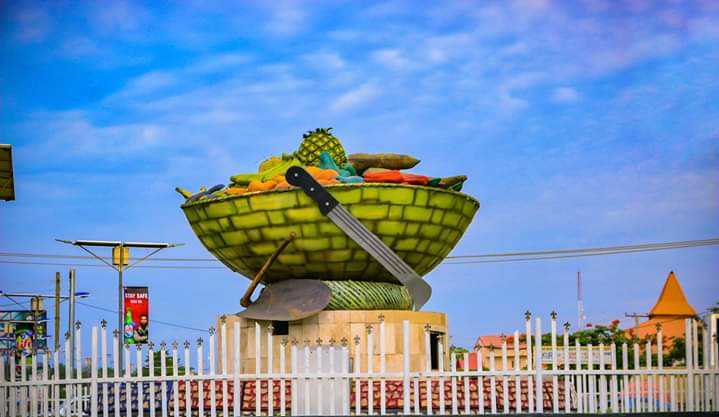
In Zaki-Biam, dawn breaks to the sight of yam pyramids rising like miniature hills, each tuber stacked with the precision of an artist. Traders call out in rhythmic tones, women balance baskets of peppers and oranges on their heads, and the air is heavy with the earthy scent of freshly dug cassava. A hundred miles away in Makurdi, the markets thrum with the same energy — stalls spilling over with tomatoes, mangoes, rice, and groundnuts. It is a feast for the eyes, a living canvas of color and abundance.
This is Benue, Nigeria’s beating agricultural heart, where food is not just sustenance but identity. Long before it was christened “The Food Basket of the Nation,” Benue had already earned the name with every harvest and every overflowing truck leaving its soil. The question then is simple but profound: what makes this land so endlessly fruitful, and how does it keep the nation fed?
The Gift of the Land
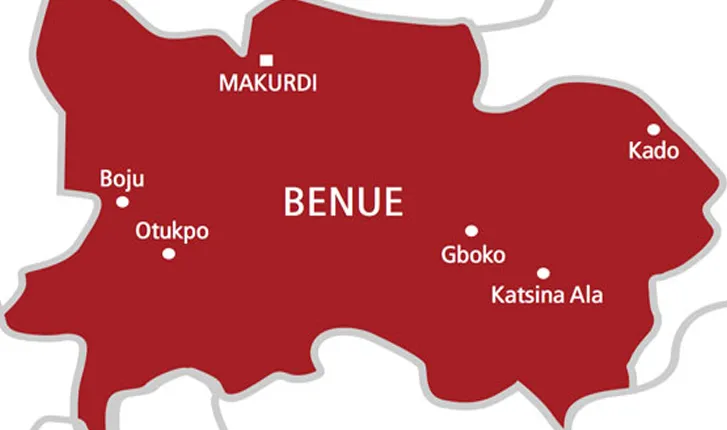
Every great harvest begins with the land, and Benue’s soil tells a story older than its people. At the center flows the River Benue, a silver artery that cuts across the state, feeding plains that stretch as far as the eye can see. Its banks have, for centuries, served as both lifeline and landmark — drawing farmers, traders, and entire communities to settle and thrive. Here, the earth is dark, loamy, and generous, welcoming yam tendrils, maize stalks, and cassava roots with equal ease.
The climate follows the rhythm of agriculture itself: steady rains that coax seedlings into life, and long dry months that allow for harvest, storage, and trade. Unlike other regions bound by short planting windows, Benue enjoys the gift of year-round cultivation.
This abundance did not go unnoticed when the state was formally created in 1976 from the old Benue-Plateau. Its geography made the nickname inevitable. Fertility here is not a metaphor but a reality, one that has written Benue into Nigeria’s history as the land where food never stops growing.
Read: Benue State: The Food Basket of the Nation
What’s Inside the Basket Benue?
To speak of Benue’s basket is to speak of yam — the king of crops. And nowhere else on earth celebrates this crop like Zaki-Biam, proudly called the “Yam Capital of the World.”
Each week, nearly two million tubers pass through its open-air market, the largest mono-product market in Nigeria and the biggest yam market in the world. About 200 trucks depart daily, carrying the staple to Lagos, Kano, Abuja, and even across borders to Cameroon, Niger, and Ghana. Here, yam is not just food; it is livelihood, heritage, and international commerce stacked high in endless pyramids.
But yam is only the beginning. The plains of Benue brim with cassava, rice, maize, and sorghum, sustaining households and industries alike. Soybeans, of which Benue produces the lion’s share in Nigeria, feed both kitchens and factories. Groundnuts add another layer of richness, a crop as versatile as it is profitable.
Then come the colors: bright peppers, plump tomatoes, onions, mangoes, and citrus. Benue grows more oranges than any other state in Nigeria, painting its orchards with hues of green and gold. Together, this abundance explains why the land is seen as Nigeria’s overflowing granary. It is not a single crop, but the staggering diversity — from yam mounds to citrus groves — that makes Benue’s basket so full it spills beyond its borders.
A Culture Fed by Food
Food in Benue is more than nourishment; it is culture and connection. At the center of most meals is pounded yam, often paired with rich soups like egusi, ogbono, or vegetable stew. To share a bowl is to affirm community, and no gathering feels complete without it.
The Igede-Agba Yam Festival captures this spirit perfectly. Each year, farmers and families give thanks for the harvest, celebrating the yam as both crop and symbol of life. Drumming, dancing, and feasting turn villages into arenas of joy, reminding everyone that food is tied to gratitude.
Benue’s traditions also extend beyond the farm and table. The famous Kwagh-Hir performances — a blend of storytelling, puppetry, and dance — often unfold in communal spaces where meals are shared freely. Visitors, too, quickly learn a simple truth: in Benue, you never leave hungry. Offering food to guests is a sign of respect and generosity, a tradition rooted in abundance and pride.
The Basket Beyond Borders
Benue’s harvests rarely stay within its borders. Every day, trucks loaded with yams roll out of Zaki-Biam toward Lagos, Kano, Abuja, and beyond, supplying markets that depend on Benue’s bounty. With over 200 truckloads leaving the yam capital daily, the state has become the backbone of Nigeria’s yam distribution and a vital link to regional trade with Cameroon, Niger, and Ghana.
It isn’t only yam. Benue’s rice and soybeans fuel industries across the country, from breweries to food processing companies. Groundnuts, cassava, and maize find their way into countless kitchens, creating a ripple effect that stretches from rural farms to urban tables.
This constant movement of produce underscores a simple reality: Benue is not just feeding itself. It is powering Nigeria’s food economy, ensuring that households and businesses across the nation remain sustained by the state’s fertile land and tireless farmers.
Read: Saki – The Food Basket of Oyo State
Benue: More than a Basket
While agriculture defines Benue’s identity, the state’s wealth is not limited to food. Beneath its fertile soil lie deposits of limestone in Gboko and kaolin in Otukpo, resources with industrial and economic value. Its people, too, are custodians of cultural artistry — from vibrant Tiv fabrics to captivating Kwagh-Hir performances. The food basket is its most famous emblem, but Benue holds treasures that go beyond the harvest, reminding Nigeria of its layered richness.
The story of Benue is the story of plenty — fields that never rest, markets that never empty, and a culture that thrives on generosity. This is why it will always be remembered as the nation’s food basket, a title earned by the constancy of its land and the resilience of its people. Like the yam pyramids of Zaki-Biam or the bustling stalls of Makurdi, Benue’s abundance overflows into Nigeria’s larger story.
If Nigeria is a feast, Benue is the table it rests upon. And as long as its rivers flow and its soil stays fertile, tomorrow’s basket will remain full.
Follow RefinedNG to discover more stories of Nigeria and Africa — from culture to heritage, from resilience to innovation. We’re your go-to source for everything positive about the continent.