
There was a time when watching a Nigerian sitcoms was almost a family activity. You could sit in the living room, hear the opening theme of a familiar show and immediately know that somebody was about to get into trouble. Between Africa Magic, cable television and the growing popularity of YouTube, Nigerian comedy found plenty of room to grow between 2016 and 2025.
These shows gave us chaotic families, questionable roommates, stubborn parents, ambitious hustlers and characters whose mannerisms became almost as famous as the actors playing them. Some started before 2016 but remained popular throughout the period, while others arrived as television was gradually making room for digital platforms.
Looking back, these are some of the sitcoms and comedy series that made the era memorable.
1. The Johnsons
Few Nigerian sitcoms captured the everyday madness of family life quite like The Johnsons. Although the series began before 2016, much of its most memorable run happened during the period, eventually coming to an end in 2024.
At the centre was Lucky Johnson, played by Charles Inojie, a father who could turn almost any situation into an argument about money. His legendary stinginess, sarcasm and habit of overthinking even the simplest household decisions made him one of Nigerian television’s most recognisable comedy characters.
Then there was Emu Johnson, played by the late Ada Ameh. Emu was protective, outspoken and occasionally hot-tempered, but her love for her family was always obvious. Her chemistry with Lucky gave the show some of its funniest moments. Efetobore, played by Chinedu Ikedieze, added another layer as the clever son who was frequently looking for ways to make money, while Spiff, played by Samuel Ajibola, became memorable for his unusual behaviour and hilarious food obsession.
What made The Johnsons particularly relatable was how easily its stories reflected Nigerian family life. Arguments over money, children trying to outsmart their parents, neighbours getting involved in family matters and parents having completely different ideas about discipline all felt familiar.
Read: 5 Nollywood Movies Dominating the Box Office in 2026 So Far
2. Jenifa’s Diary
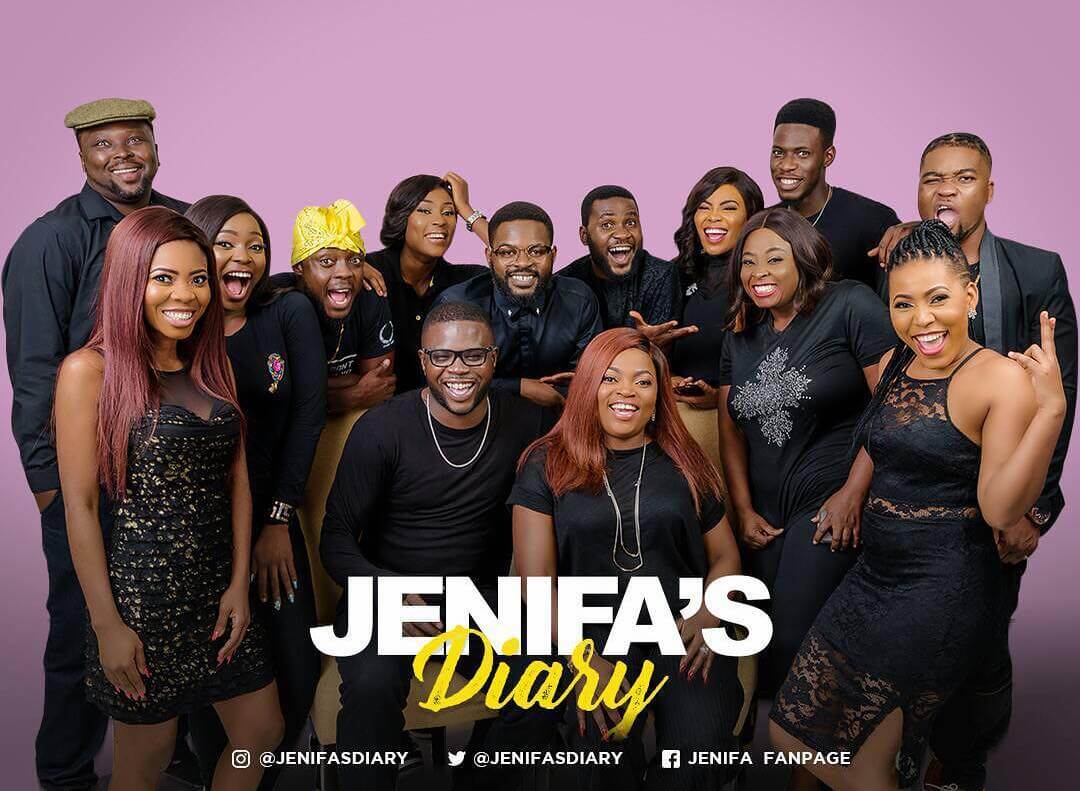
If there was one sitcom character from this era whose way of speaking could be recognised almost instantly, it was Jenifa.
Funke Akindele’s Jenifa’s Diary continued the story of the ambitious village girl introduced in the original Jenifa film. Jenifa’s attempt to navigate Lagos, improve her social standing and build a successful life provided endless opportunities for comedy.
Her confidence was probably her greatest superpower. Even when she had absolutely no idea what she was doing, Jenifa rarely behaved like someone who lacked confidence. Her heavily accented English, unusual grammar and determination to sound sophisticated became part of Nigerian pop culture.
Her supporting characters also helped keep the series lively. Adaku, played by Omotunde Adebowale David, was the loyal friend who brought her own brand of humour to the story, while Segun, played by Falz, added another memorable dynamic to Jenifa’s world.
Beyond the jokes, Jenifa’s Diary often explored class, ambition, relationships, peer pressure and the pressure to appear successful in Lagos. That combination helped the series remain relevant for years.
3. Squatterz
Before the roommate-comedy formula became common across digital platforms, Squatterz was already having fun with the idea.
The premise was simple enough: three young men living in a Lagos apartment they did not exactly own, while trying to survive unemployment, relationships, bills and the ever-present possibility of getting caught. Naturally, living together without enough money or personal space created problems.
Buchi, played by Funny Bone, was one of the standout characters. An unemployed computer engineering graduate, Buchi was constantly looking for a scheme, shortcut or clever way out of trouble. His desperation often became the source of the comedy.
Papa, played by Big Tony Ogbetere, was the bookstore owner who helped secure the apartment, while Danjuma, played by Zikky Alloy, was the more responsible member of the group with a corporate job. Raymond, played by Ovy Jagbojo, brought younger, technology-driven chaos into the mix, while Dorothy, played by Sitsofe Tsikor, had little patience for the boys’ nonsense.
The beauty of Squatterz was that the characters did not need elaborate situations to be funny. Put several broke young Nigerians in one apartment and give them rent, relationships and responsibilities to worry about, and the comedy practically writes itself.
4. Àwọn Aládùn Dé
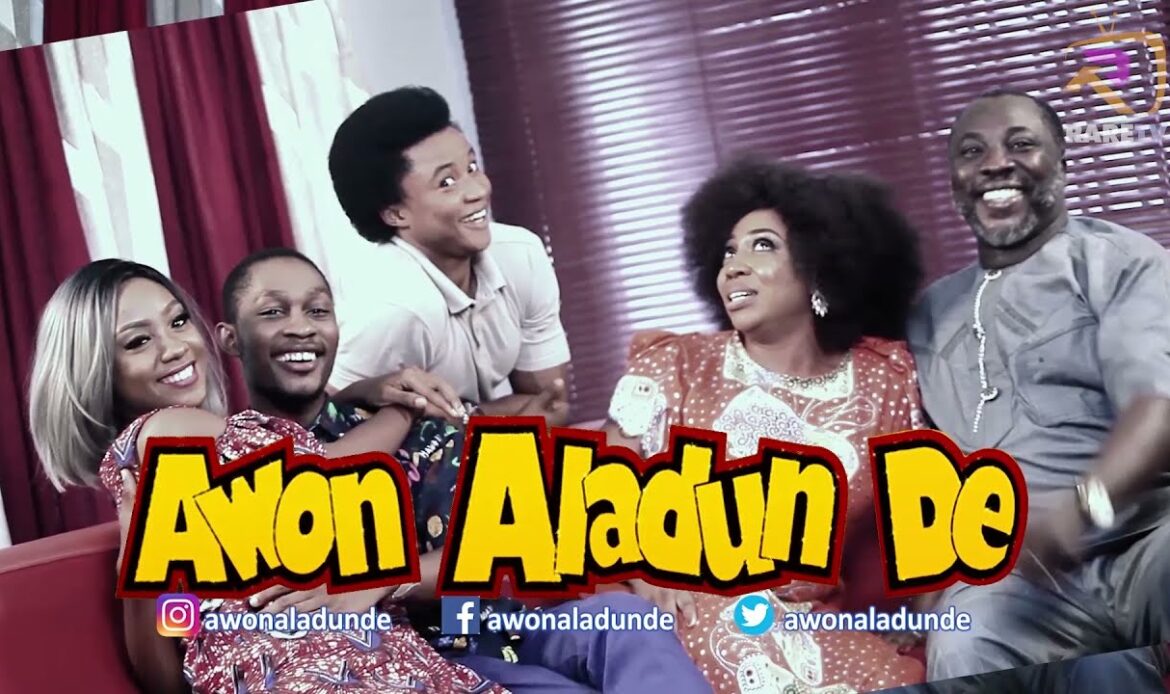
For viewers who enjoyed Nigerian comedy in indigenous languages, Àwọn Aládùn Dé offered something particularly familiar. The Yoruba-language family sitcom followed the Adun family and used everyday family relationships, community life and cultural experiences as the foundation for its humour.
Junior, played by Fehintoluwa Jebutu, became one of the recognisable young characters, while Segbowe, played by Akinola Akano, brought the kind of troublesome friendship and neighbourhood involvement that Nigerian sitcoms do exceptionally well. Mrs Adun, played by Iretioluwa Roberts, also helped anchor the family dynamic.
The series was especially significant because it showed that sitcom comedy did not have to be delivered in English to connect with a wide audience. Yoruba expressions, family expectations and familiar social situations became part of the entertainment.
Read Also: 5 Memorable Characters Played by Bimbo Ademoye
5. My Siblings & I

If The Johnsons showed the comedy of raising a family, My Siblings & I understood what happens when that family gets bigger, louder and much more involved in one another’s business.
The series centred on the Aberuagba family, where privacy was apparently a luxury nobody had budgeted for. Solomon Aberuagba, played by Patrick Doyle, brought the authority of a retired military man into a household full of children who were not always interested in following orders.
The siblings created much of the chaos. Their arguments, teasing, secrets, schemes and competing personalities reflected a familiar Nigerian experience: no matter how old you become, your siblings can still find a way to embarrass you.
That was the show’s strength. It understood that family comedy often comes from the smallest things. Someone eats another person’s food, someone exposes a secret, someone gets caught lying and suddenly the entire household has become a courtroom.
The Sitcom Characters We Still Remember
Looking back at Nigerian sitcoms between 2016 and 2025, what stands out is not only the number of shows that appeared during the period. It is the characters.
Lucky’s calculations, Emu’s reactions, Jenifa’s grammar, Buchi’s schemes, Segbowe’s interference and the Aberuagba siblings’ endless family drama became part of the memories of an entire generation of viewers.
These shows also reflected how Nigerian comedy changed. Television remained important, but YouTube and digital platforms created new opportunities for creators to experiment with formats, characters and stories.
And perhaps that is why these sitcoms remain worth remembering. They took situations Nigerians already knew very well and gave us a reason to laugh at them.
Which Nigerian sitcom character from 2016 to 2025 do you remember most? Share your favourite in the comments and follow RefinedNG for more Nigerian entertainment, culture and throwback stories.