
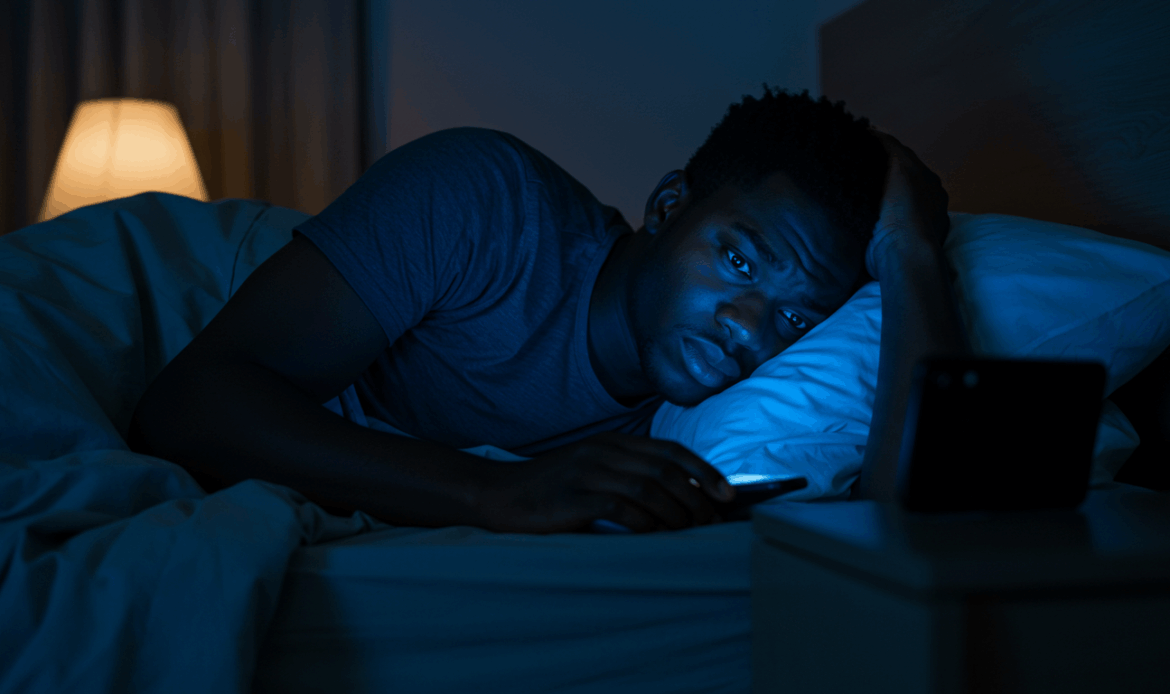
It’s 11:47 PM. You’re in bed, lights off—but TikTok’s still going. Or maybe you’re deep into a YouTube rabbit hole or answering “just one last” message. If this sounds familiar, you’re not alone. For Gen Z and Millennials, screens are practically extensions of our hands, even at bedtime.
But while your phone helps you unwind, it might be messing with your ability to actually rest. Blame it on blue light—a sneaky form of screen glow that’s messing with your sleep hormones. The result? Tossing, turning, and waking up feeling like you barely slept.
If your sleep feels broken and your phone is your bedtime BFF, it’s time to understand how screens are quietly sabotaging your rest—and what you can do about it.
What Is Blue Light, Anyway?
Blue light isn’t just some villain made up by wellness influencers—it’s real, and you’re exposed to it more than you think. It’s a high-energy visible (HEV) light that naturally comes from the sun. During the day, that’s a good thing—it keeps us alert, focused, and awake.
The problem starts when the sun goes down and our screens keep glowing. Phones, tablets, laptops, and even LED lighting emit artificial blue light that mimics daylight. When your eyes take in that light at night, your brain gets confused and thinks it’s still daytime. That delay tricks your body into staying awake by slowing down the release of melatonin, the hormone that helps you feel sleepy.
So while blue light isn’t inherently bad, too much of it—especially at night—can throw off your internal clock and leave you lying awake, mind racing, wondering why you can’t fall asleep.
Read: Are you getting enough sleep? Here are five reasons to prioritize sleep
The Science: How Blue Light Affects Your Sleep
Let’s get into the nitty-gritty of what blue light actually does to your sleep. It all comes down to melatonin—the hormone your body produces in the evening to signal that it’s time to wind down. Melatonin production follows your circadian rhythm, or internal clock, which responds to light and darkness.
When you stare at your phone or laptop late at night, the blue light emitted by the screen signals your brain that it’s still daytime. This suppresses melatonin production, delays sleep onset, and shifts your natural sleep-wake cycle. Essentially, your body thinks it’s 3 PM when it’s actually 11 PM.
A 2014 Harvard study found that people exposed to blue light before bed took twice as long to fall asleep compared to those exposed to warmer light. Another study published in the journal PLOS ONE showed that screen use before bed significantly reduced total sleep time and sleep quality, especially in younger users.
Even short bursts of screen time—like checking notifications—can reset your brain’s clock and reduce REM sleep, the deep, restorative part of your sleep cycle. That’s why even after 7–8 hours in bed, you might still feel groggy.
The kicker? Blue light doesn’t just affect your sleep—it can also throw off your mood, focus, and energy the next day. So, the more you scroll at night, the harder it becomes to function during the day. It’s a vicious (but fixable) cycle.
Screen Habits: Why Gen Z and Millennials Are Losing Sleep
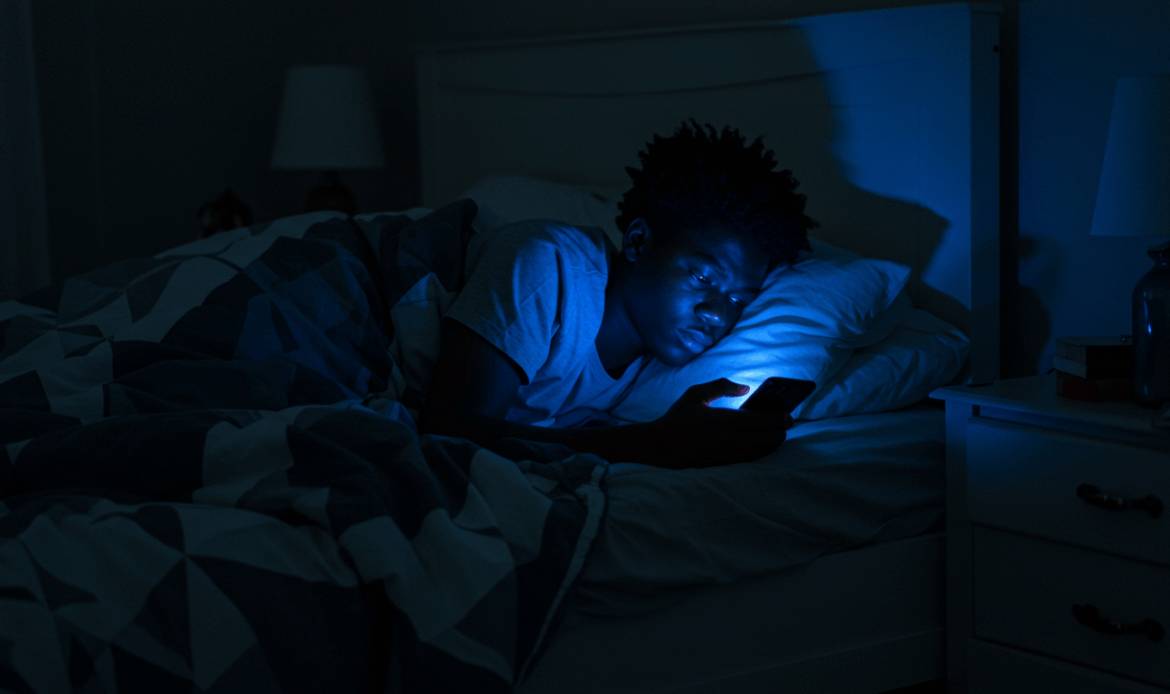
Let’s be real—screens are woven into nearly every moment of modern life. From replying to work DMs at 10 PM to watching “just one more episode,” it’s easy to lose track of time when we’re glued to our devices. Gen Z and Millennials, in particular, live in a hyper-connected world where winding down often means diving deeper into the digital realm.
The result? Bedtime routines are filled with last-minute scrolls, late-night YouTube binges, and TikTok rabbit holes that turn into accidental all-nighters. A 2023 survey showed that over 70% of people under 35 use their phones in bed, with many admitting they spend up to an hour on screens after “getting ready” to sleep.
This isn’t just a harmless habit—it’s rewiring our sleep patterns. We’re staying up later, sleeping less, and waking up more tired. And because it’s so normalized (everyone does it, right?), we rarely realize how much it’s impacting our health.
The truth is, our screens aren’t just stealing our time—they’re hijacking our rest. And while it’s hard to break the cycle, it’s not impossible. A few smart shifts in routine can make a big difference.
Read: Building a Healthy Sleep Routine in the New Year
Easy Fixes: How to Outsmart Blue Light
You don’t have to swear off screens or toss your phone out the window to sleep better. A few simple changes can help you stay connected and protect your sleep.
- 1. Use Night Mode or Blue Light Filters: Most phones, tablets, and laptops have a built-in Night Shift or Eye Comfort mode that reduces blue light after dark. Turn it on manually or set it to activate automatically around sunset.
- 2. Try Blue Light Glasses: If you’re glued to a screen late into the evening, blue light-blocking glasses can help reduce eye strain and melatonin disruption. They’re not magic, but many people say they help—especially gamers or late-night coders.
- 3. Set a Screen Curfew:Aim to unplug at least 30–60 minutes before bed. Use that time to read a physical book, journal, stretch, or listen to calming music or podcasts.
- 4. Create a Wind-Down Routine: Train your brain to relax at night. Dim the lights, avoid stimulating content (no doomscrolling!), and switch to offline, low-stimulation activities that tell your body it’s time to chill.
Sleep is a non-negotiable part of wellness—and screens don’t have to ruin it if you’re intentional about how and when you use them.
Your Sleep Deserves Better

In a world that never stops scrolling, protecting your sleep has to be intentional. Blue light might seem harmless, but it can quietly wreck your rest—and your energy the next day. The good news? You don’t need to ditch your devices entirely. With a few mindful tweaks, you can still stay connected and get the quality sleep your brain and body crave. So tonight, try powering down a little earlier. Your future, well-rested self will thank you.