
You’ve probably heard the word “inflammation” thrown around in health conversations, fitness videos, or even skincare adverts. But what does it actually mean?
Inflammation is your body’s natural defence system. When you get injured, fight an infection, or even recover from stress, your immune system responds with inflammation to help protect you. The problem starts when inflammation refuses to “log out” and becomes chronic.
Chronic inflammation has been linked to health conditions like diabetes, arthritis, hypertension, heart disease, obesity, and even depression. Across Africa, where lifestyle-related illnesses are becoming more common, diet plays a bigger role than many people realise.
The good news? Your kitchen can help as much as your medicine cabinet. The foods you eat daily can either fuel inflammation or help calm it down. That means your regular bowl of beans, garden eggs, ugu soup, or grilled fish might be doing more for your body than you think.
Foods That Can Increase Inflammation
Before talking about the good guys, it helps to know the foods that often make inflammation worse.
Highly processed foods are one of the biggest culprits. This includes sugary soft drinks, excessive pastries, instant noodles loaded with sodium, deep-fried snacks, processed meats, and foods packed with refined sugar. Yes, that “small chops” plate at every owambe can sometimes behave like a villain in disguise.
Too much white bread, sugary cereals, alcohol, and heavily processed fast food may also contribute to long-term inflammation, especially when eaten regularly without balance.
This does not mean you can never enjoy fried plantain or shawarma again. Life should still be sweet. The real issue is frequency and portion size. A body running mostly on processed food is usually working overtime internally.
Read: Fruits That Help Keep Your Blood Sugar in Check
Anti-Inflammatory Foods You Already Have Access To
One interesting thing about anti-inflammatory eating is that many Africans already have access to excellent foods naturally. Sometimes the healthiest meals are the ones our grandparents were eating before ultra-processed foods became trendy.
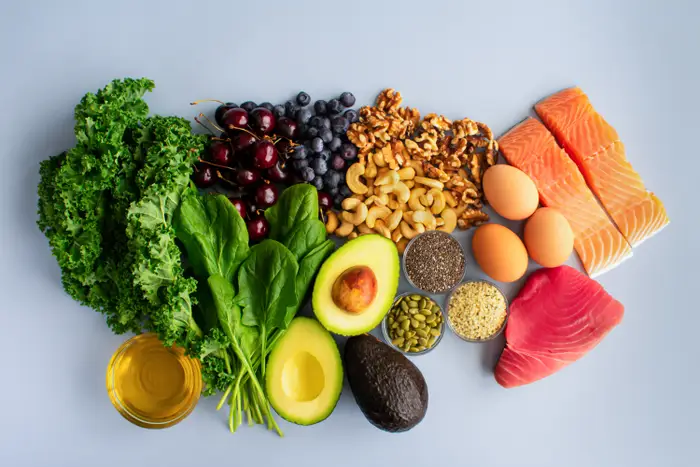
Leafy vegetables like ugu, spinach, scent leaves, and bitter leaf are packed with antioxidants that help the body fight inflammation. Tomatoes also contain lycopene, a powerful antioxidant linked to reduced inflammation.
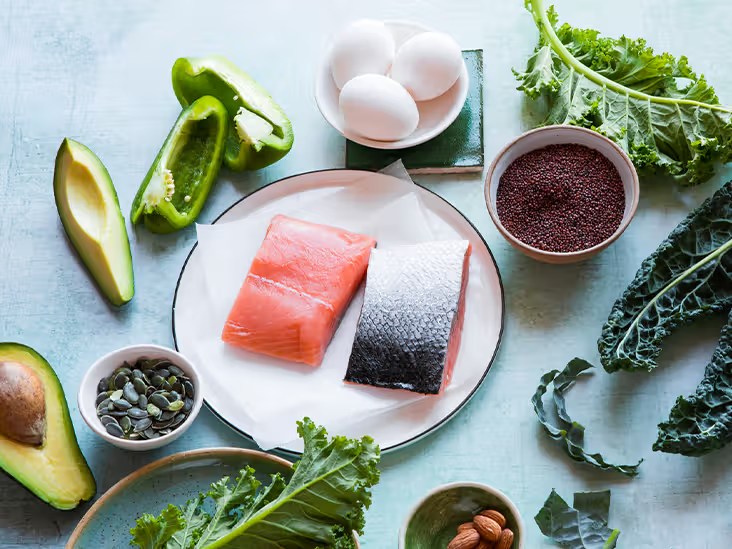
Fatty fish like mackerel, sardines, and salmon are rich in omega-3 fatty acids, which help protect the heart and support brain health. Beans are another underrated superstar. Whether it’s honey beans, black-eyed peas, or lentils, they contain fibre and plant compounds that support blood sugar balance and gut health.
Fruits matter too. Oranges, watermelon, pawpaw, pineapples, berries, and apples contain vitamins and antioxidants that help reduce inflammatory stress in the body.
Then there are spices. Turmeric, garlic, ginger, and even scent pepper contain natural compounds with anti-inflammatory benefits. Nigerian soups and stews already use many of these ingredients naturally, which is honestly a culinary flex.
Read: 7-Day High-Fibre Meal Plan for Better Blood Sugar
Simple Ways to Eat More Anti-Inflammatory Foods Daily
Healthy eating becomes easier when it feels realistic. Instead of overhauling your entire diet overnight, start with small upgrades. Swap sugary drinks for water, zobo with less sugar, or unsweetened smoothies. Add vegetables to meals more intentionally. Pair rice with steamed vegetables or beans instead of only fried sides.
Choose grilled or boiled proteins more often than deep-fried options. Snack on fruits, groundnuts, tiger nuts, or yoghurt instead of heavily processed snacks every day.
Also, try cooking with healthier oils in moderation, especially olive oil or vegetable oils with lower saturated fat content. And yes, your body will appreciate more home-cooked meals and fewer “I was too tired to cook, so I bought everything outside” moments.
Your Plate Can Be Part of Your Healthcare
Food is not magic, and anti-inflammatory foods are not a replacement for proper medical care. But science continues to show that everyday eating habits strongly affect long-term health outcomes.
The interesting part is that many anti-inflammatory foods are already familiar in African homes. Sometimes, healthier eating is less about chasing expensive foreign diets and more about preparing local foods in smarter, more balanced ways.
Your body responds to what you feed it repeatedly. A healthier plate today may support better energy, improved immunity, healthier blood sugar levels, and reduced disease risk over time.
For more health, wellness, and lifestyle stories tailored for Africans, follow RefinedNG and stay informed without the boring lecture vibes.