
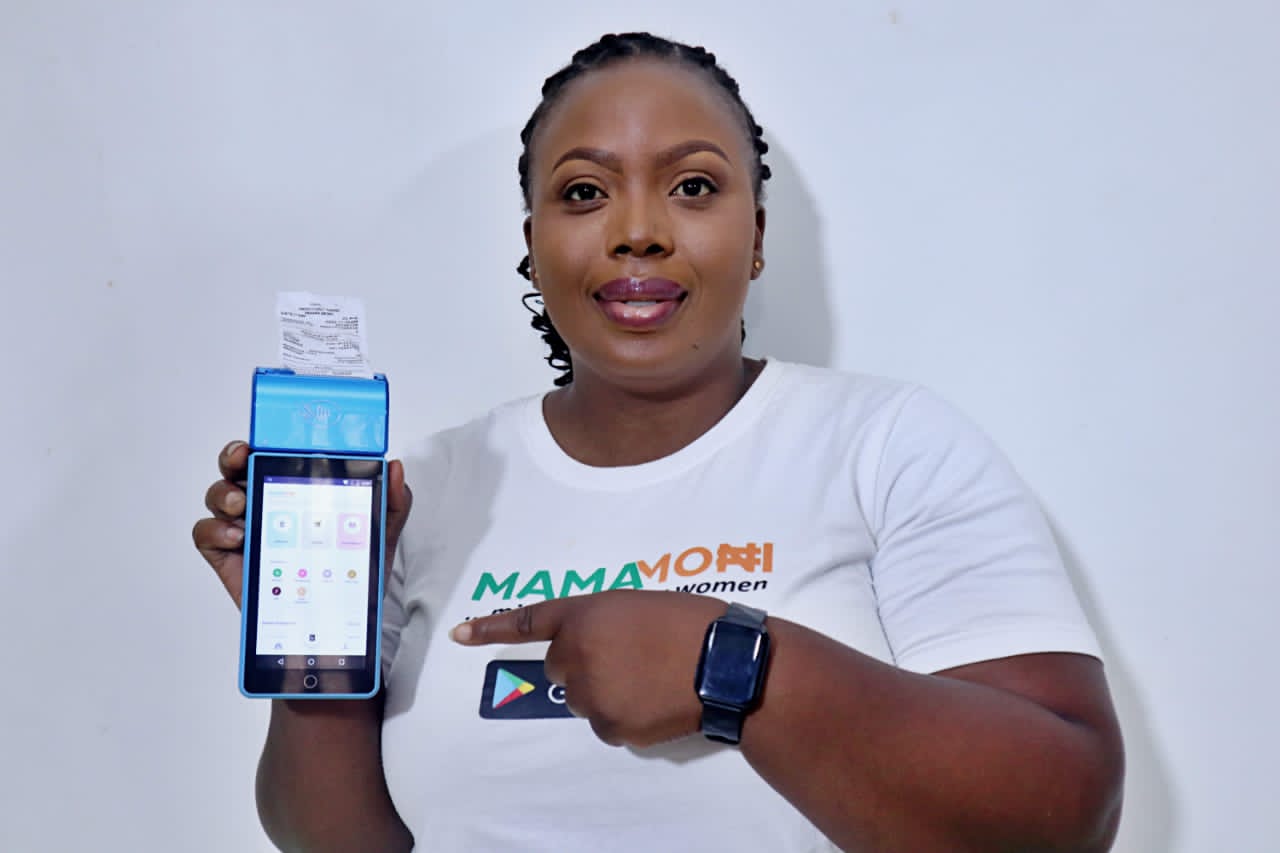
Mamamoni started with one woman, one laptop, and a memory; her mother, selling whatever she could to keep four children in school. That image never left Nkem Okocha. Born and raised in Lagos, she watched her widowed mother fight daily battles that too many Nigerian women know too well: no access to credit, no formal education, and no safety nets.
Years later, that memory became her mission. Nkem founded Mamamoni, a fintech social enterprise that gives rural and urban-slum women the tools her mother never had — free vocational training and mobile loans that help them start and sustain small businesses.
But this isn’t just another tech-startup success story. It’s about how empathy met innovation and how one woman’s personal struggle sparked a movement that’s now rewriting the story of women’s economic empowerment across Nigeria.
Here’s how a young girl’s experience of poverty became one of the country’s most impactful women-led fintech revolutions.
When Personal Pain Became a Purpose
Nkem Okocha’s story begins in the bustling heart of Lagos, where tragedy struck early. After her father passed away, her widowed mother was left to raise four children alone, with no formal education, no stable income, and no access to credit. Each day was a lesson in resilience. Watching her mother struggle to put food on the table and send them to school left a deep imprint on Nkem’s heart.
But instead of letting that hardship define her, she turned it into determination. She saw not just pain, but possibility; the idea that women like her mother could rewrite their futures if only they had the right tools.
She pursued Banking and Finance at Lagos State University after starting at Auchi Polytechnic, and later earned certificates from the Tony Elumelu Foundation and Northwestern University in entrepreneurship. For Nkem, education wasn’t just a ticket out of poverty. It was the toolkit to dismantle it.
That toolkit would later become the foundation for Mamamoni, the social enterprise changing the lives of thousands of Nigerian women today.
Read: “Where Curiosity Meets Content” — A Conversation with Paula Nwadiaro
The Birth of Mamamoni – Turning One Idea into a Lifeline
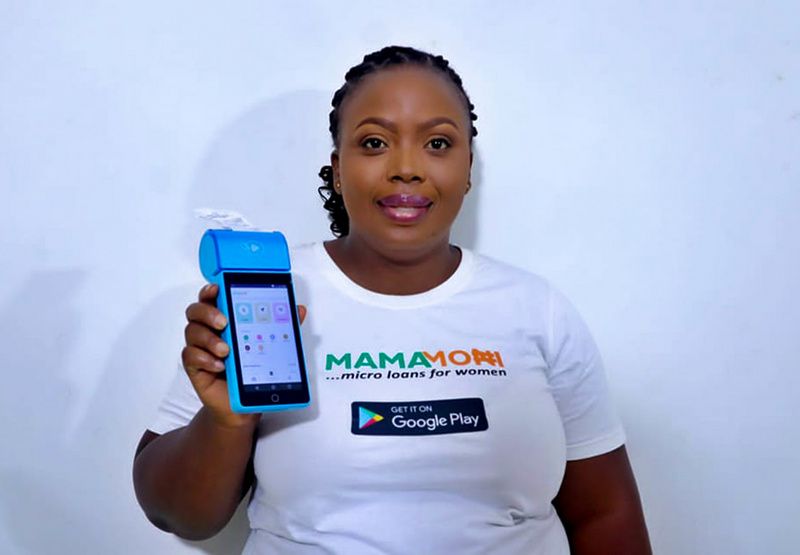
In 2013, Nkem Okocha made a bold decision — she left her banking job, trading the comfort of a steady paycheck for the uncertainty of purpose. After years at Intercontinental Bank and later as Managing Director at Novine Koncept Ventures, she knew the corporate world wasn’t enough. She wanted impact, not just income.
That’s how Mamamoni was born. From one laptop, a simple idea, and a deep memory of her mother’s struggle. The goal was clear: help low-income women in rural and urban slum communities gain financial independence through free vocational training and mobile loans.
Most of these women were invisible to traditional banks. No collateral. No credit history. Often, not even formal identification. Mamamoni stepped in as a bridge, teaching women practical skills and providing small loans they could actually access and manage.
Since its launch, the initiative has empowered over 4,000 women, disbursed more than 100 micro-loans, and built partnerships purely on trust and persistence. It wasn’t Silicon Valley funding that built Mamamoni, it was community belief and one woman’s relentless drive.
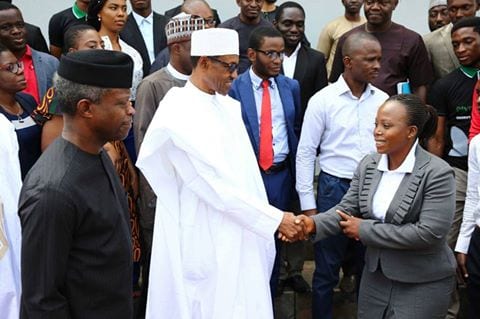
Her work quickly gained national recognition, from LEAP Africa’s Social Innovators Programme to the Tony Elumelu Entrepreneurship Foundation and even acknowledgment from the Nigerian Presidency.
From Microloans to Tech: Reinventing Access
As Mamamoni grew, Nkem Okocha knew she had to think beyond microloans. What started as small community lending soon evolved into something much bigger; a tech-driven financial inclusion model built to reach women across Nigeria.
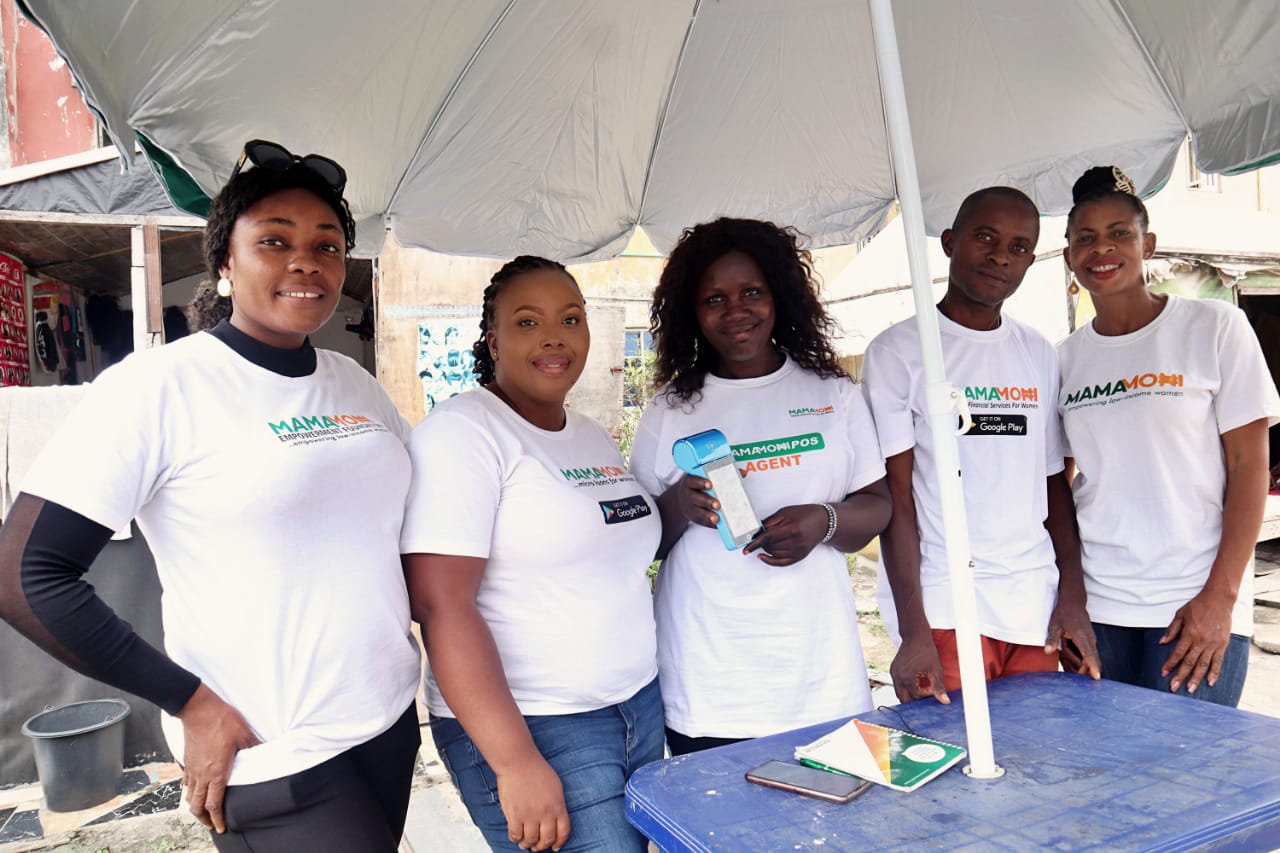
During the COVID-19 pandemic, when many women lost their businesses and incomes, Nkem didn’t pause, she pivoted. Partnering with the Challenge Fund for Youth Employment (CFYE), she launched the Female Agent Network, Nigeria’s first female-led financial agent network. Through this initiative, Mamamoni began training women to become financial agents, teaching them how to open bank accounts, run digital transactions, and manage POS businesses in their communities.
The ripple effect was powerful. Women who once couldn’t sign a cheque now teach others how to use financial technology. Some have opened their own small shops. Others, especially women with disabilities, have found steady income and confidence through the network.
Nkem says it best: “Money does something for a woman, it makes her empowered.”
Every success story reminds her of her mother — the woman who inspired it all. And with each woman lifted out of poverty, Nkem keeps a silent promise: never to let another mother’s struggle go unseen.
Read: Aroloye Oluwatosin Wants Teachers to Be Seen, Heard, and Valued
Global Recognition and the Bigger Picture
Recognition has followed Nkem Okocha not because she sought it, but because her impact demanded it. In recent years, she’s been named a Youth Business Hero by the Challenge Fund for Youth Employment (CFYE) for creating one of the highest numbers of jobs for women in Nigeria. She also gained global visibility at the Sankalp Forum 2025, where Mamamoni’s model of inclusive fintech drew international attention.
Her partnerships with organizations like CFYE, UNDP, and global fintech collaborators aren’t just strategic — they’re transformative. They’ve helped scale Mamamoni’s reach, improving access to digital finance, mentorship, and sustainable income for women who were once excluded from the system.
But for Nkem, these milestones aren’t about medals or mentions. They’re proof that African-born, women-led innovation can reshape economies from the ground up.She’s not chasing profit, she’s building prosperity, one woman, one community, one loan at a time.
Why Her Story Matters
Nkem Okocha’s story reminds us that innovation doesn’t always start in a boardroom. Sometimes, it begins in struggle. Through Mamamoni, she’s shown that fintech in Africa can be deeply human — designed not just to scale, but to uplift. Her work bridges the gap between technology and empathy, proving that progress can be both digital and compassionate.
She stands among a new generation of African changemakers — women who aren’t waiting for permission to solve problems, but using creativity and courage to rewrite what leadership looks like.
Next time you hear about African innovation, remember women like Nkem Okocha who are building hope where the world once saw hardship.
Follow RefinedNG for more stories of Africans breaking barriers and redefining change.