
Every nation has its dreamers; those who dared to be first when no one else had tried. They are the ones who turned uncertainty into discovery and carved paths where there were none. In Nigeria, these “firsts” did more than set records; they redefined what was possible for generations after them.
As we reflect on Independence and Black History Month, it’s a moment to celebrate those who stood at the crossroads of change; the engineers who built new foundations, the philosophers who questioned old orders, the artists who gave voice to a nation finding its rhythm. Their journeys remind us that progress often begins with one person’s courage to imagine something different.
Behind every Nigerian “first” lies a story of bold ideas, quiet defiance, and relentless discipline. These stories are not relics of the past but blueprints for the future, reminders that innovation and identity are woven together.
Here are the pioneers who made being first a Nigerian tradition.
The Builder Who Wrote History: Igwe Israel Eloebo Iweka
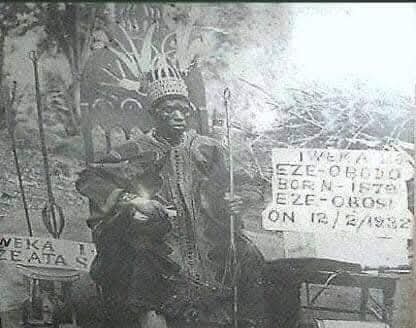
Have you heard of Iweka Road in Onitsha? Long before bulldozers and blueprints became the norm, one man dared to carve history, both in stone and in story. Igwe Israel Eloebo Iweka was not just a builder of roads; he was a builder of identity.
In an era when infrastructure was a dream and local literacy was still finding its feet, Iweka constructed one of Onitsha’s earliest major roads; a physical symbol of ingenuity, will, and progress. But his true masterpiece went beyond the terrain. He became the first to write and translate a comprehensive history of the Igbo people in their own language; a groundbreaking act that fused scholarship with self-definition.
Through his writings, Iweka proved that history was not a colonial privilege but a cultural right, a bridge between memory and meaning. His work gave the Igbo people ownership of their narrative, written in the language of their ancestors.
That spirit of legacy continued through his son, Isaac Iweka, who became the first Igbo civil engineer trained at Imperial College London, continuing the family’s tradition of building both worlds and words.In the story of Igwe Israel Eloebo Iweka, we see how nations are built — not just through roads that connect places, but through stories that connect people.
Read: 18-Year-Old Muhammad Aminu Sani Earns Commercial Pilot License
The Leap of Gold: Chioma Ajunwa
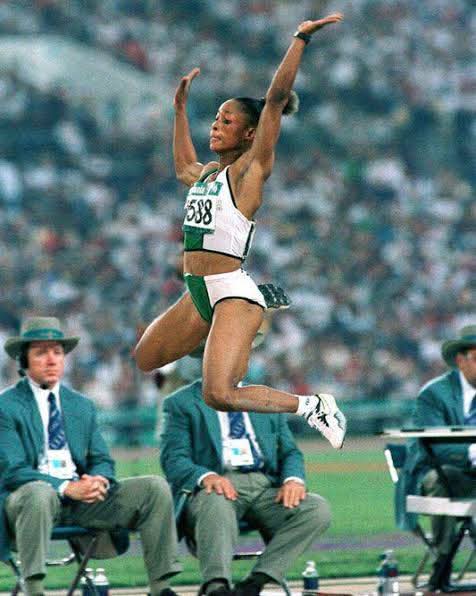
Atlanta, 1996. One jump. One history rewritten.In that electrifying moment, Chioma Ajunwa soared through the air and straight into history, becoming Nigeria’s first Olympic gold medalist in track and field. But the story behind that leap began long before the stadium lights.
Before she was a national hero, Ajunwa was a footballer, a talented forward who dreamed of representing Nigeria on the world stage. Yet, when it mattered most, she was benched. The disappointment could have ended her athletic journey, but instead, it became her turning point. She traded the football pitch for the long jump pit, channeling her frustration into focus.
Years of training, rejection, and sheer resilience followed. When she finally took off in Atlanta, her 7.12-meter leap didn’t just win gold, it broke barriers for women in sports, for Africa, and for every dreamer told they were “not enough.”
After victory, Ajunwa refused to rest on her medal. She became a vocal advocate for clean sport and athlete integrity, using her voice to protect the future of the game she loved.
Her journey reminds us that sometimes, life benches us not to break us, but to redirect our power. Chioma Ajunwa didn’t just leap into gold, she leapt into legend.
The Healer Who Taught a Nation: Professor Oladele Adebayo Ajose
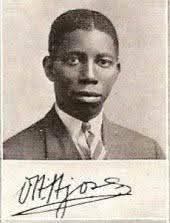
He believed that medicine was more than hospitals and stethoscopes, it was community, care, and conscience.
Professor Oladele Adebayo Ajose was born into Lagos royalty, yet his life’s mission was rooted in public service. From the royal courts of Lagos to the lecture halls of the University of Glasgow, he carried one conviction wherever he went: that health begins where people live, not where they are treated.
After returning home, Ajose became Nigeria’s first professor of public health and a pioneer of community medicine. His groundbreaking Ilora Health Project transformed how people understood preventive care, proving that health education, clean water, and sanitation could save more lives than medicine alone.
But Ajose’s influence went beyond medicine. As a teacher, he trained a generation of doctors to see patients not as cases, but as people. As a public servant, he showed that education is also infrastructure — the foundation on which nations stand.
Through decades of tireless work, Ajose helped Nigeria imagine health as a shared responsibility, not a privilege. His legacy lives on every time a community clinic opens, every time a child receives clean water, and every time knowledge becomes a cure.
He was more than a healer. He was a teacher who reminded a nation that service, powered by compassion, can be its most enduring medicine.
The First Whistle: Nigeria’s First Football Match
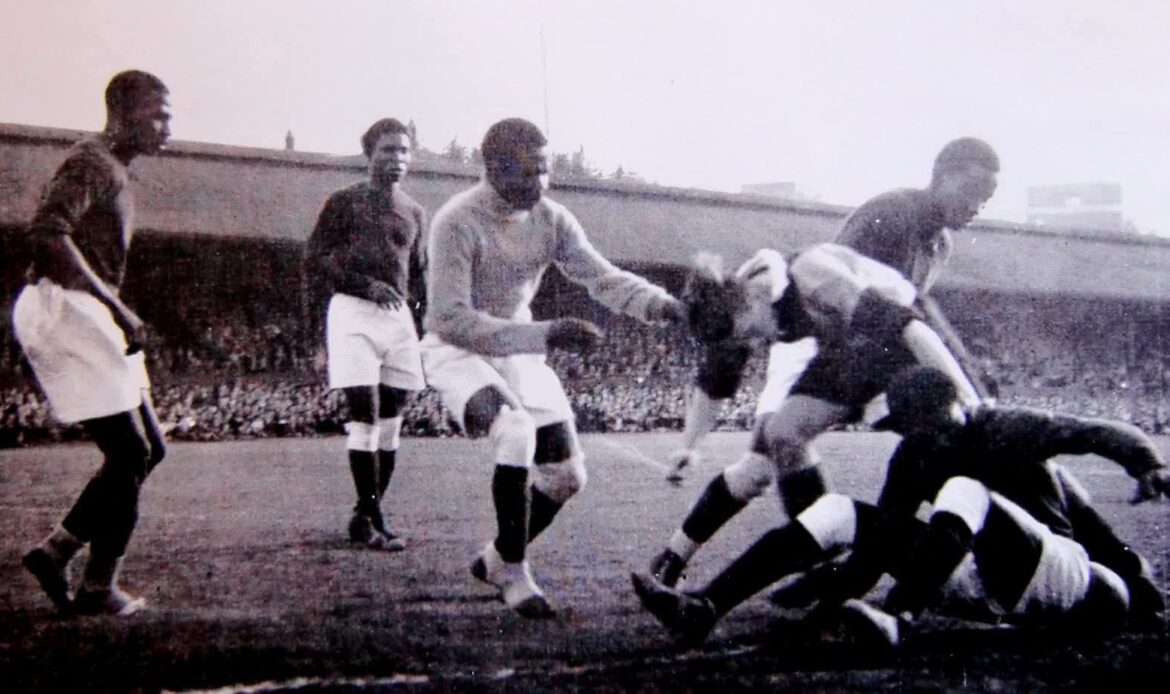
It was 1949 in Freetown. The air was thick with dust and hope. On the pitch stood eleven young men in green jerseys — the “UK Tourists,” as they were called, ready to play Nigeria’s first official international football match. Their opponents: Sierra Leone. Their mission: more than a game.
When the whistle blew, it was not just the start of a match; it was the sound of a nation beginning to find its rhythm. Each pass, tackle, and goal carried something deeper — the pride of a people still under colonial rule, yet already dreaming of independence.
Nigeria won that day, 2–0. But the real victory went beyond the scoreboard. For the first time, Nigerians from different regions, languages, and backgrounds played as one team under one flag.
That dusty field in Freetown became the first stage of a story that would one day echo through packed stadiums and World Cup dreams. It was football, yes, but also identity in motion, unity in green, and the first roar of a nation learning to believe in itself.
Read: 10 Diasporan Nigerians Building Global Legacies
The Legal Visionaries: Taslim Elias & Jadesola Akande
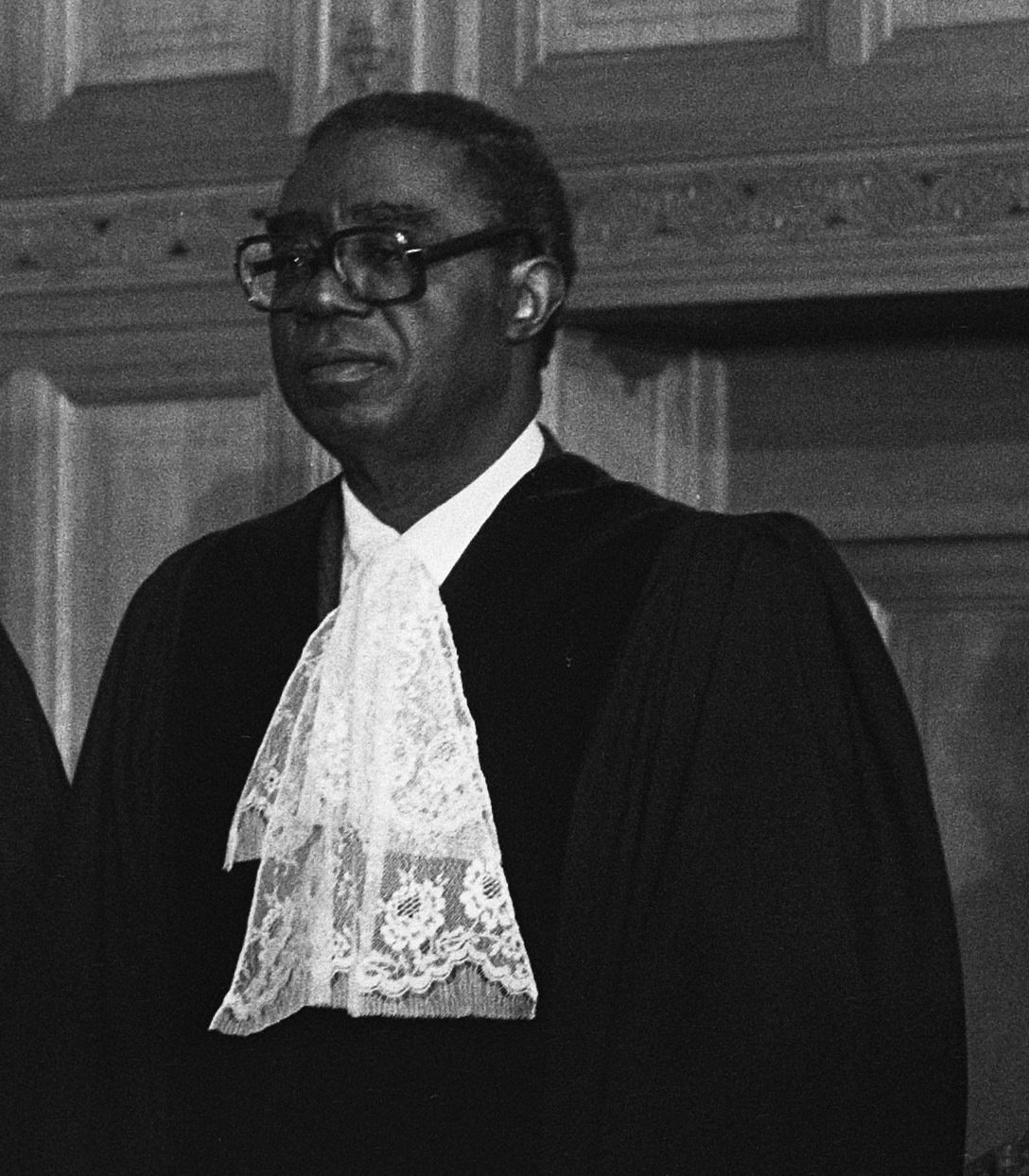
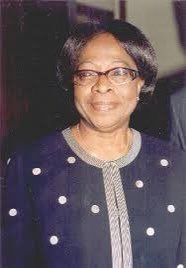
Taslim Olawale Elias was born in Lagos in 1914, at a time when law was a distant concept to most Nigerians. From modest classrooms in Lagos, he rose to the grand halls of The Hague, becoming not only Nigeria’s first professor of law but also the first African to serve as President of the International Court of Justice.
Elias believed that law was more than rules on paper. It was the architecture of freedom. After independence, he helped lay the foundation for Nigeria’s legal system, drafting frameworks that bridged colonial legacies and new national ideals. His scholarship and service made him both a jurist and a nation-builder, showing how intellect could serve justice and how justice could shape identity. His life embodied law as leadership, proving that knowledge, when guided by principle, can transform nations.
Professor Jadesola Akande carried that same torch into a new era. As Nigeria’s first female law professor and later the Vice Chancellor of Lagos State University, she broke barriers that once seemed unshakable. Akande wasn’t only a scholar, she was a force for equity. Her work on constitutional law and women’s rights reshaped how Nigerians thought about fairness, representation, and the rule of law.
Through her teaching, mentorship, and advocacy, Akande made justice a lived experience, not just a subject of study. She showed generations of women that the law could be both shield and sword — a means to protect, to challenge, and to change.
Together, Elias and Akande redefined what it meant to practice law in Nigeria. One built the nation’s legal foundations; the other opened its doors wider, ensuring that justice belonged to everyone.
The Philosopher Who Proved We Think: Sophie Oluwole
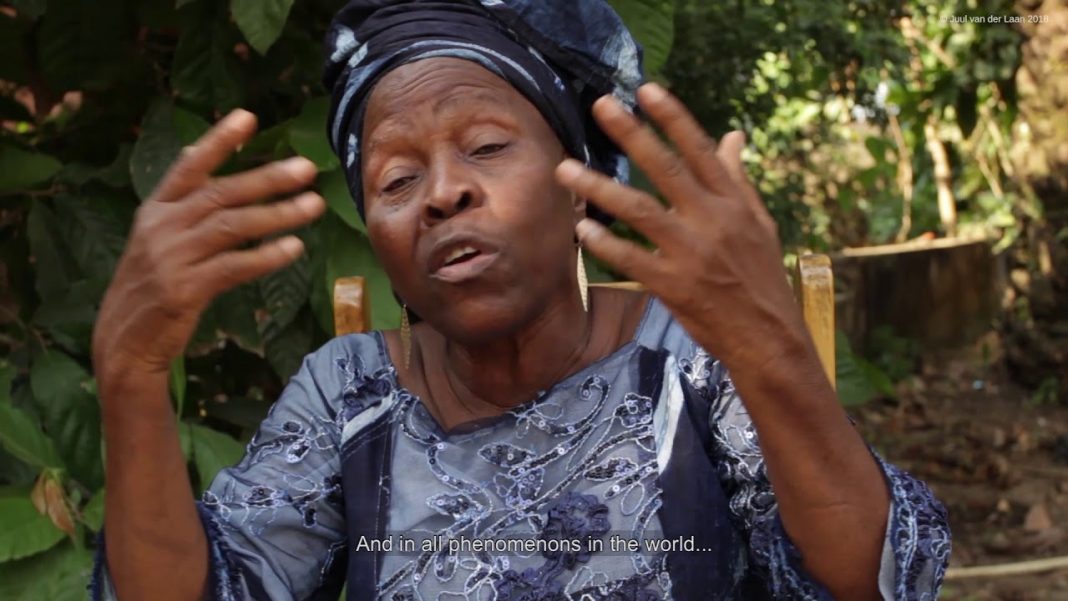
“They said Africans could not think… I wanted to prove them wrong.”
Those words defined Professor Sophie Oluwole, Nigeria’s first female doctorate holder in philosophy and one of Africa’s boldest intellectual voices.
At a time when Western thinkers dismissed African traditions as myth or folklore, Oluwole devoted her life to showing that philosophy already existed on the continent — long before colonial education arrived. Her research explored the wisdom of Ifa and the teachings of Orunmila, revealing them as sophisticated systems of logic, ethics, and reasoning.
She often drew comparisons between Orunmila and Socrates, arguing that both philosophers taught through dialogue, symbolism, and moral reflection. Her work bridged oral wisdom with academic rigor, proving that knowledge could wear African attire and still stand tall in global discourse.
Beyond academia, Sophie Oluwole inspired a generation to rethink what it means to “know.” She believed wisdom wasn’t about imitation but introspection that to truly learn, a people must first listen to themselves.
Her legacy endures as a reminder that philosophy is not confined to books or borders. It lives in proverbs, stories, and conversations and through thinkers like Oluwole, the world finally began to hear Africa’s voice.
The Keeper of Time – Adamu Liman Ciroma
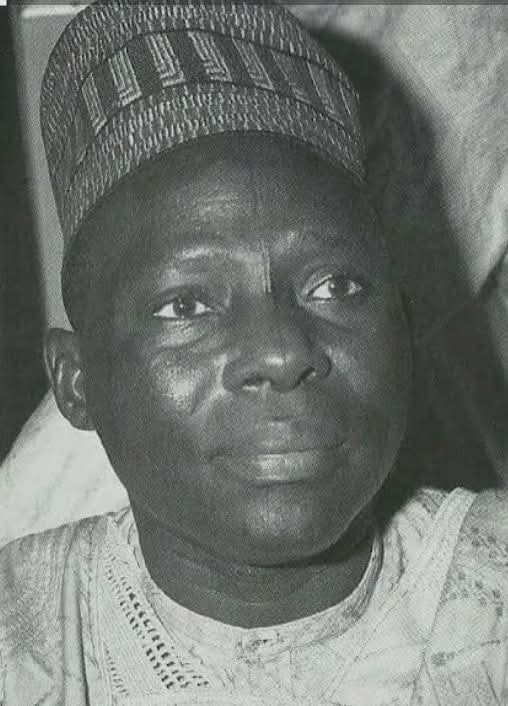
Adamu Liman Ciroma was Nigeria’s first archaeologist, a man who quite literally unearthed the nation’s story. Long before archaeology became a familiar field in West Africa, Ciroma was digging through the soils of Northern Nigeria, tracing the roots of the Nok culture, one of Africa’s earliest known civilizations.
His discoveries helped prove that Nigeria’s artistic and technological history stretched far beyond colonial narratives. Terracotta sculptures, iron-smelting sites, and ancient settlements all revealed a sophisticated culture that existed more than 2,000 years ago. Through his work, Ciroma didn’t just find artifacts, he helped Nigerians rediscover themselves.
Beyond excavation sites, he played a key role in shaping the country’s heritage infrastructure, contributing to the growth of the National Museum and later serving in the civil service, where he championed the preservation of cultural memory.
For Ciroma, archaeology wasn’t just about the past; it was a mirror for the present, a way to remind future generations that greatness is not new to this land.His story is one of Memory; proving that nations, like people, must know where they come from to understand where they’re going. Through every shard and sculpture, Adamu Ciroma helped Nigeria remember.
The Architect of Identity: Professor Ekundayo Adeyemi
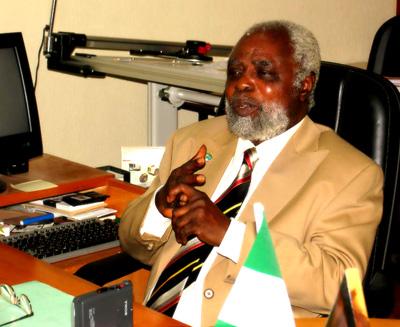
Professor Ekundayo Adeyemi became Nigeria’s first professor of architecture at just 38, a milestone that reflected both brilliance and purpose. But his legacy was never about titles; it was about redefining how Nigerians saw space, structure, and self.
Adeyemi believed that architecture could tell stories. He urged designers to look beyond imported blueprints and rediscover the genius in African forms, from traditional courtyards to mud houses that breathe naturally in tropical climates. To him, every building was a dialogue between heritage and innovation.
Through decades of teaching, research, and authorship, he mentored generations of architects who learned that good design is not just functional, but cultural. His work bridged the past and the present, showing how local materials, craftsmanship, and climate-conscious design could create modern African spaces that feel both rooted and relevant.
Professor Adeyemi’s legacy stands at the intersection of Creation — building not only structures but a national identity. In every arch and column inspired by his ideas lies a quiet statement: that architecture, when true to its origins, becomes more than shelter. It becomes a story of who we are.
The Firsts that Continue
Every “first” begins with a choice, to try when no one else has, to believe when no one else does. From Igwe Iweka’s bridges of story and structure to Chioma Ajunwa’s golden leap, from Taslim Elias’s legal blueprints to Sophie Oluwole’s philosophical defiance, these pioneers remind us that history isn’t written by chance. It’s built by courage, study, and imagination.
As Nigeria marks its Independence and joins the world in celebrating Black History Month, these stories stand as more than memories. They are living lesson, proof that excellence is a tradition, not an exception. Each generation inherits a path lit by those who dared to be first, and each one is called to widen that path.
In every classroom, courtroom, and stadium, new “firsts” are waiting to happen, because that’s who we are. A nation that builds, teaches, heals, and dreams in the plural.
Follow RefinedNG for more stories that celebrate Nigeria’s heritage, innovation, and the people who make history feel alive.