
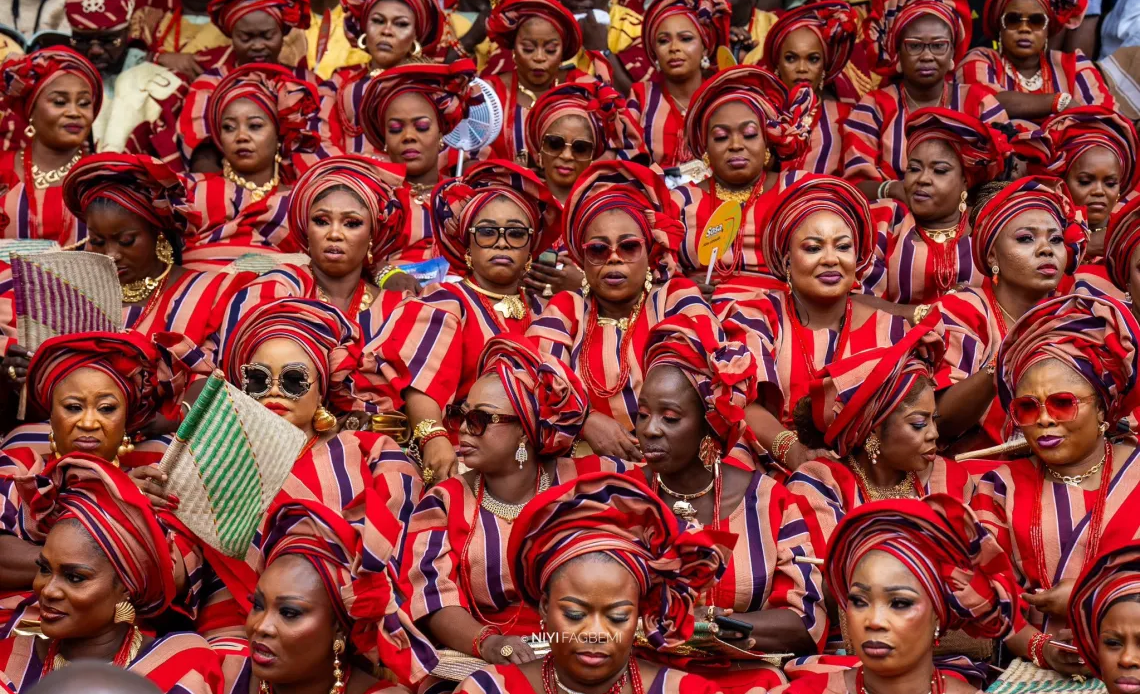
Every year in Ijebu-Ode, Ogun State, something incredible happens. Streets become runways, horses become symbols of history, and thousands of people gather in colours so bright they almost look edited in real life. That is the magic of the Ojude Oba Festival.
Held a few days after Eid al-Kabir, the festival is a grand cultural gathering where the people of Ijebuland pay homage to the Awujale, the traditional ruler of the kingdom. But beyond the royal greetings and ceremonial displays, Ojude Oba has become one of Nigeria’s strongest cultural exports.
From fashion lovers to historians and tourists, everyone finds something to admire about the festival. Here are five things we genuinely love about Ojude Oba.
The Regberegbe Groups That Turn Coordination Into Art
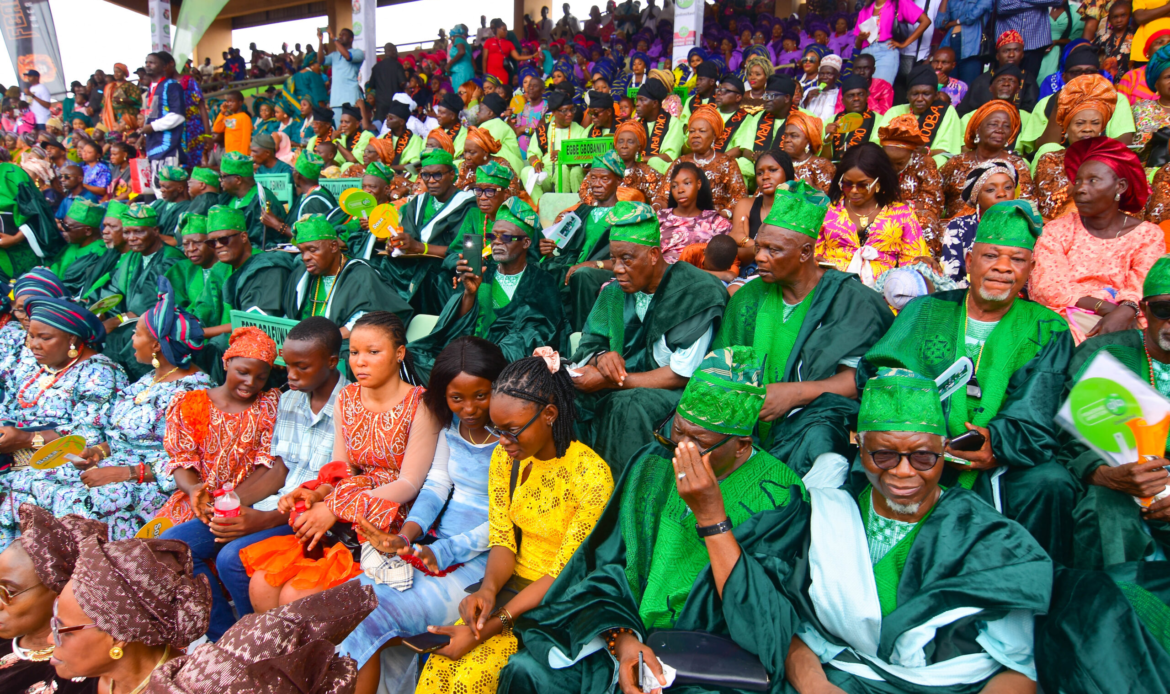
One of the best things about Ojude Oba is watching the Regberegbe groups arrive in full formation. These are age-grade groups made up of men and women born within similar periods, and they prepare for months before the festival.
What makes them fascinating is the precision. Every detail matters. The fabrics match perfectly, the accessories are carefully selected, and even the walking patterns feel rehearsed like a live stage production.
Some groups enter with talking drummers, others dance toward the king’s forecourt with dramatic swagger that would humble most celebrity red carpets. There is also healthy competition between groups. Everyone wants to be remembered as the most stylish or most organised appearance of the year.
In many ways, the Regberegbe system keeps community bonds alive. It reminds younger generations that culture is not something stored in museums. It is something people actively participate in.
Read: How Niyi Fagbemi Brought Ojude Oba to the World
The Horse Riders Who Arrive Like Movie Characters
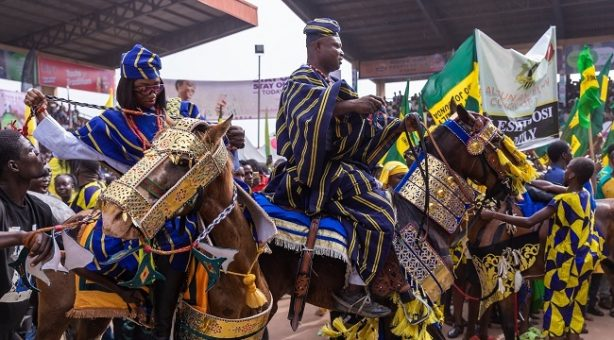
If there is one moment that instantly changes the energy of Ojude Oba, it is the arrival of the Balogun families on horseback.
The Baloguns are descendants of historical war chiefs, and their entrance is never quiet. Riders appear in richly embroidered agbadas, decorated horses move through cheering crowds, and ceremonial gun salutes announce their arrival. It feels cinematic in the best possible way.
What makes the display special is that it carries history with it. These horse-riding processions are connected to old military traditions in Ijebuland, where warrior families once defended their communities. Today, the festival transforms that legacy into a visual celebration of identity and pride.
Every year, social media practically pauses to discuss who had the strongest entrance. In recent years, figures like Farooq Oreagba have gone viral for bringing a fresh, stylish energy to the procession while still respecting tradition.
Ojude Oba somehow makes heritage look cool without reducing it to performance alone. That balance is rare.
The Fashion That Shuts Down the Internet Every Year
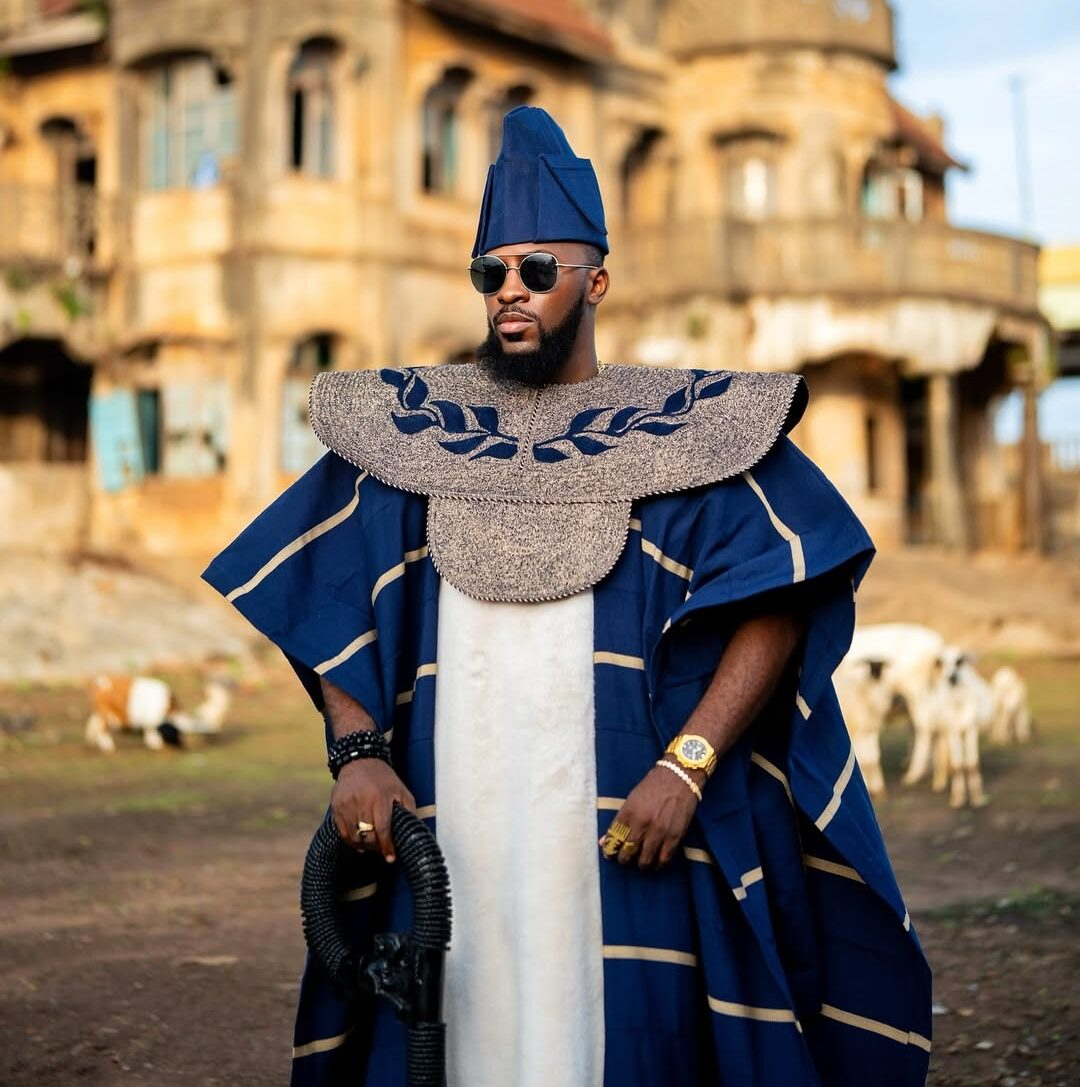
Let us be honest. Ojude Oba fashion deserves its own award category. The festival has become one of the biggest showcases of Yoruba fashion anywhere in the world. Aso Oke, Adire, Sanyan, coral beads, ipele, gele, walking sticks, embroidered caps, handcrafted jewellery, everything comes together in one massive cultural display.
What stands out is the effort behind the styling. Many groups do not repeat colours or outfit concepts from previous years. Designers, tailors, bead makers, photographers, and fabric traders all become part of the creative ecosystem surrounding the event.
The result is a festival that feels both traditional and modern at the same time. You can see a respected elder dressed in century-old Yoruba style beside a younger guest giving luxury fashion campaign energy. And somehow, both work perfectly.
It is also refreshing to see African traditional wear celebrated on such a huge stage without being watered down for international approval. Ojude Oba does not ask culture to become smaller or simpler. It fully embraces extravagance.
Read: The Legendary History Behind Ojúde Ọba
The Rare Mix of Culture, Faith, and Community Pride
Ojude Oba began as a gathering of Muslim converts paying respect to the Awujale after Eid celebrations, but over time, it evolved into something much bigger. Today, Christians, Muslims, traditional worshippers, tourists, celebrities, and first-time visitors all attend together. In a country where conversations around religion can become tense very quickly, the festival stands out as a reminder that shared identity can still bring people together.
The event also creates a strong sense of belonging for Ijebu indigenes at home and abroad. Families travel across countries just to attend. Some people spend months planning outfits and reunions before the festival weekend even begins.
Beyond culture, Ojude Oba also boosts the local economy. Hotels fill up, food vendors make brisk sales, photographers get booked out, and local businesses benefit from the influx of visitors.
It is proof that cultural preservation and economic opportunity can exist side by side.
More Than An Event
Ojude Oba is more than a festival that people post online once a year. It is a living expression of Yoruba history, fashion, family, and pride. From the thunder of horse riders to the elegance of the Regberegbe groups, every part of the celebration tells a story about identity and community.
And honestly, few festivals anywhere in the world combine glamour and heritage this effortlessly.
At RefinedNG, we love spotlighting African traditions that continue to inspire new generations. Follow us for more stories celebrating culture, history, creativity, and the people keeping these traditions alive.