
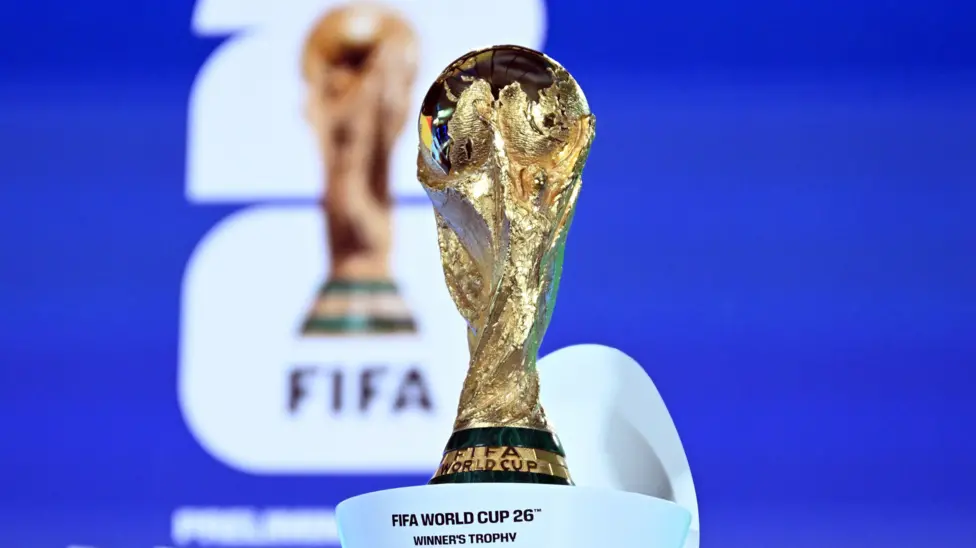
Football’s biggest party has officially begun. The 2026 FIFA World Cup will kick off today in the Americas, and if you have not been paying attention to the build-up, this is your complete catch-up on what makes this edition genuinely historic, who Africa is sending, and what the full schedule looks like from group stage to final.
Pull up a chair. This one is worth your full attention.
This World Cup Is Unlike Any Before It
The 2026 edition breaks the mould in the most significant way since the tournament began. For the first time in history, 48 teams are competing, up from the 32-team format that ran from 1998 to 2022. That expansion means more matches, more nations, more stories, and more opportunities for smaller footballing countries to test themselves on the world’s biggest stage.
The tournament is co-hosted across three countries: the United States, Canada, and Mexico, with matches spread across 16 cities from Vancouver in the west to Boston in the east, Mexico City in the south to Toronto in the north. The sheer geographical scale of this World Cup is something no previous edition has attempted, and it makes the logistics of following your team across time zones a genuine adventure for travelling supporters.
Africa Has Never Been This Well Represented
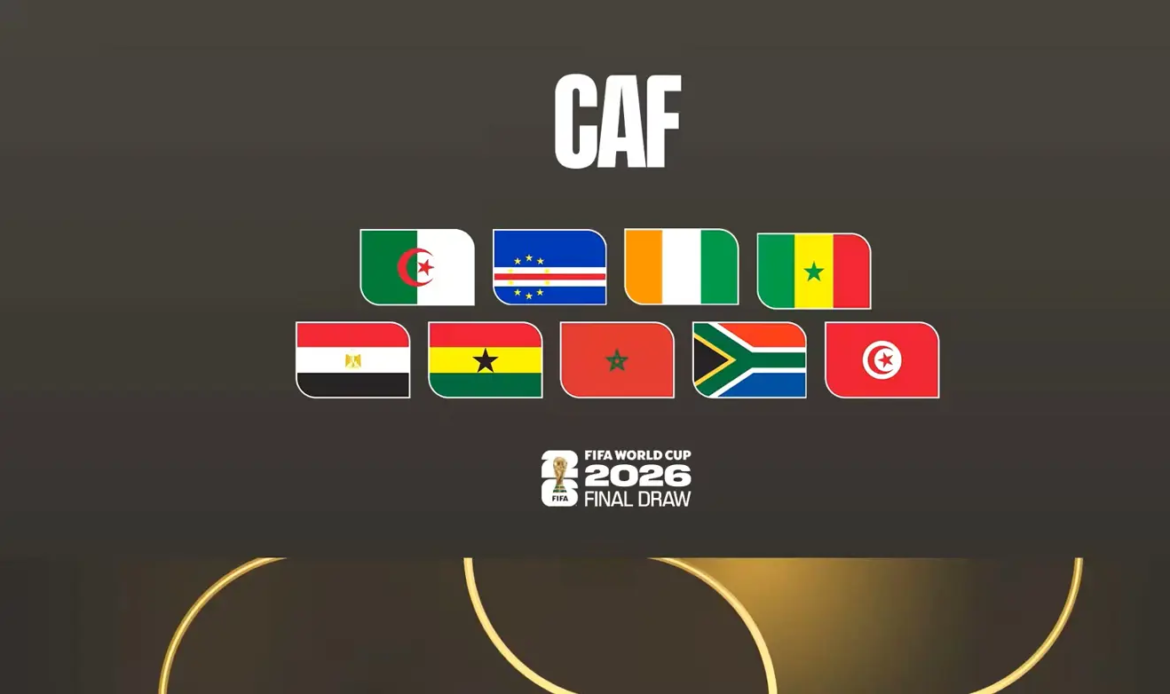
Ten African nations are competing in the 2026 World Cup, the highest number the continent has ever sent to the tournament, and a direct result of the expanded 48-team format, which allocated Africa nine guaranteed spots plus one additional place through the intercontinental playoff.
Read: 5 Memorable African World Cup Moments We’ll Never Forget
The ten African nations are South Africa, Morocco, Senegal, Ivory Coast, Ghana, Egypt, Cape Verde, DR Congo, Tunisia, and Algeria. Each of them carries their own story, their own squad, and their own genuine shot at history in a format that is more forgiving than any previous edition.
South Africa opens the tournament with the first match of the entire competition. Morocco, which reached the semi-finals of the 2022 World Cup in Qatar, is in Group C alongside Brazil and Scotland. Senegal, one of Africa’s most experienced World Cup nations, faces France in Group I. Ivory Coast takes on Germany in a genuinely fascinating Group E encounter. Ghana face England in Group L, a rematch that Nigerian football fans in particular will follow closely.
For African football, this is the most significant World Cup moment in the continent’s history. Ten teams, across twelve groups, with a genuine chance for at least one of them to go deep.
The Groups, the Fixtures, and the African Teams to Watch
Here is how the group stage breaks down for Africa’s ten representatives, with key fixtures highlighted:
Group A: South Africa plays Mexico on 11 June, the Czech Republic on 18 June, and South Korea on 24 June.
Group C: Morocco faces Brazil on 13 June, Scotland on 19 June, and Haiti on 24 June.
Group E: Ivory Coast plays Germany on 20 June, Ecuador on 11 June, and Curacao on 25 June.
Group G: Egypt takes on Belgium on 15 June, Iran on 21 June, and New Zealand on 21 June.
Group H: Cape Verde faces Spain on 15 June, Uruguay on 21 June, and Saudi Arabia on 26 June.
Group I: Senegal opens against France on 16 June, then against Iraq on 26 June and Norway on 26 June.
Group J: Algeria faces Argentina on 16 June, Austria on 22 June, and Jordan on 27 June.
Group K: DR Congo plays Portugal on 17 June, Colombia on 23 June, and Uzbekistan on 27 June.
Group L: Ghana faces Panama on 17 June, England on 23 June, and Croatia on 27 June.
Group F: Tunisia plays Sweden on 14 June, Japan on 20 June, and the Netherlands on 25 June.
Read: Davido, Burna Boy, Rema and Ayra Starr Land Spots on FIFA World Cup 2026 Official Album
From Group Stage to Final: The Road to East Rutherford
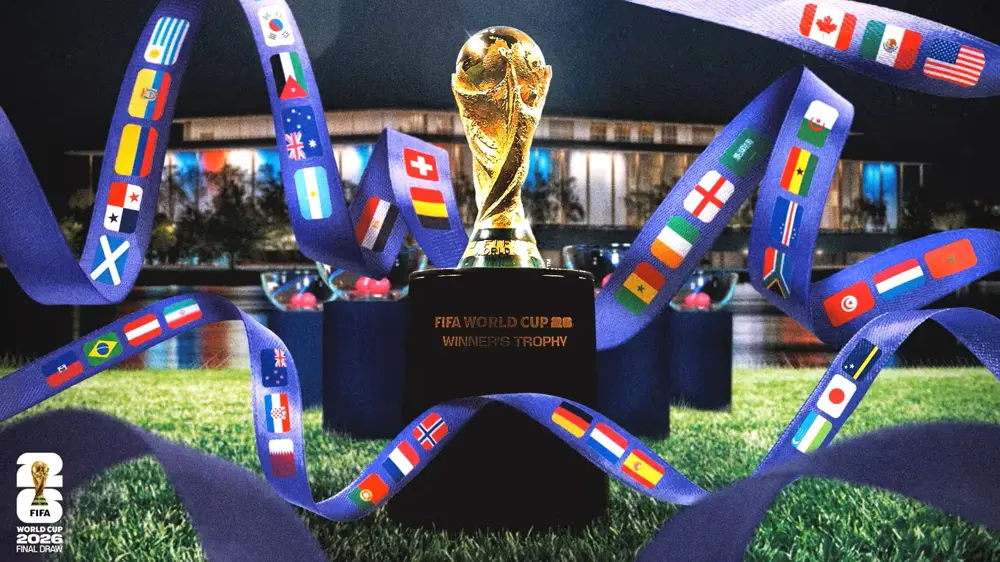
The group stage runs from 11 June to 27 June, with all 48 teams playing three matches each. The top two from each group progress automatically to the Round of 32, which begins on 28 June. The best third-placed teams also advance, giving a wider path to the knockout rounds than any previous format.
The Round of 16 begins on 4 July, the quarter-finals on 9 July, and the semi-finals on 14 and 15 July. The third-place playoff takes place on 18 July in Miami, and the final is scheduled for Sunday, 19 July at MetLife Stadium in East Rutherford, New Jersey, one of the largest stadiums in North America.
Forty days of football. Forty-eight nations. One trophy. And for the first time, ten African teams have a genuine, expanded chance to chase it.
The 2026 FIFA World Cup is not just the biggest World Cup in history by number of teams. It may well become the most memorable.
Follow RefinedNG for football coverage, African sports stories, and everything worth knowing about the 2026 World Cup. Visit us at www.refinedng.com and subscribe to our newsletter to stay up to date throughout the tournament.